
In the ever-evolving realm of laboratory science, the integrity of research findings hinges on the rigorous control of contamination. Laboratories, particularly those engaged in polymerase chain reaction (PCR) processes, face stringent biosafety challenges requiring precise sterilization protocols. As the need for reliable sterilization increases, so does the demand for effective equipment. Enter the Micro Incinerator, or Infrared Inoculating Loop Sterilizer—an innovative solution specifically designed to protect the sanctity of laboratory environments.
The Comprehensible Science of Infrared Sterilization
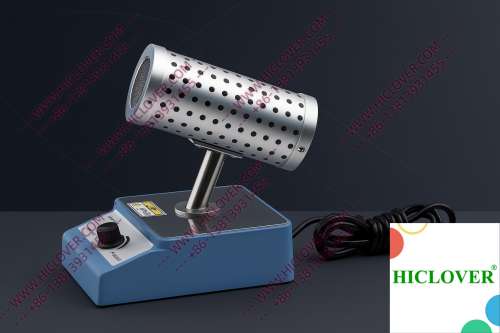
At the core of the Micro Incinerator’s functionality is rapid thermal sterilization using infrared heat. Unlike traditional flame-based sterilizers, which may introduce unwanted aerosols or contaminants into the cleanroom environment, the micro incinerator utilizes an enclosed ceramic tube that reaches incredibly high temperatures, ensuring effective disinfection without combustion byproducts. This design provides optimal safety and efficiency for high-stakes research environments.
As the infrared rays penetrate the inoculating loop material, they cause the proteins and other biological entities to denature rapidly, leading to lethal sterilization. The strong thermal gradient produced by this high-temperature disinfection method also curtails the chances of cross-contamination, which is critical for reliable results in PCR applications. Furthermore, the compact design and ease of use make it an indispensable tool for laboratory workflows.
Applications of Micro Incinerators in Research Environments
Micro Incinerators excel in diverse laboratory settings, leading to enhanced operational efficiency and contamination control. Below are two scenarios that highlight their practical utility:
- Biosafety Cabinets: In BSL-2 labs, where biological agents are manipulated, the sterilization of inoculating loops is critical. The Micro Incinerator ensures effective decontamination of loop inoculators before and after sample handling. This tool is essential for research involving pathogens, as it helps maintain a sterile work environment.
- University Teaching Labs: In educational settings, particularly in universities that offer microbiology courses, the use of Micro Incinerators simplifies the process of sterilization. It allows students to focus on their experiments without the apprehension of using open flames—promoting a safer, more controlled learning atmosphere.
Ensuring Compliance and Safety Standards
As laboratories navigate stringent regulations, maintaining compliance with international biosafety standards such as those set by the World Health Organization (WHO) becomes imperative. Flame sterilizers pose various hazards, including the risk of fire and the generation of harmful aerosols, particularly within clean rooms where the integrity of experimental conditions must be upheld. A robust sterilization solution—such as Micro Incinerators—ensures adherence to:
- WHO biosafety guidelines, which dictate specific protocols for working with pathogenic organisms.
- ISO standards for laboratory safety and sterilization.
- National regulations that ban flame sterilizers from clean zones due to contamination risks.
This emphasis on compliance not only protects researchers but also guarantees reliability in scientific data, a necessity in high-stakes analysis such as clinical diagnostics and microbiological research. As an added benefit, the absence of flames adds an extra layer of safety for laboratories where flammable substances are present.
Micro Incinerator vs. Traditional Flame Sterilizers
| Feature | Micro Incinerator | Flame Sterilizers |
|---|---|---|
| Operating Method | Infrared heat | Open flame |
| Contamination Risk | Aerosol-free | Higher risk due to aerosols |
| Temperature Control | Precise and consistent | Less controlled |
| Safety | Closed design | Open flames pose risks |
| Ease of Use | User-friendly design | Requires handling precautions |
Frequently Asked Questions (FAQs)
What are the benefits of using a Micro Incinerator in my lab?
The Micro Incinerator provides rapid thermal sterilization without the risks associated with traditional open flame sterilizers, ensuring a sterile work environment that maintains the integrity of your experiments.
How does the Micro Incinerator operate?
This device utilizes infrared heat generated by a ceramic heating chamber to sterilize inoculating loops. The high temperatures effectively denature biological materials, rendering them sterile very quickly.
Can the Micro Incinerator be used in a BSL-3 lab?
Yes, it is suitable for BSL-3 labs, where high-containment protocols are necessary. The device’s closed design minimizes contamination risks associated with laboratory operations.
Is the Micro Incinerator compliant with WHO standards?
Absolutely. The Micro Incinerator meets and exceeds WHO biosafety guidelines, making it a perfect fit for laboratories needing to adhere to strict safety regulations.
How does the Micro Incinerator compare to traditional sterilizers?
Compared to traditional flame sterilizers, the Micro Incinerator offers improved safety, reduced contamination risks, ease of use, and precise temperature control—making it a preferable choice in a variety of lab settings.
Conclusion
Ensuring research integrity through effective contamination control is non-negotiable in laboratory settings. The Micro Incinerator, with its advanced infrared sterilization capabilities, not only meets the rigorous standards set forth by biosafety regulations but transforms laboratory workflows for the better. By opting for this innovative sterilization solution, laboratories across various sectors—including clinical diagnostics, university teaching labs, and BSL-3 environments—can achieve unrivaled safety and efficiency.
Ready to elevate your laboratory’s protocols with superior sterilization technology? Contact us today for more information about the Micro Incinerator and explore how it can enhance your research integrity!
Categories:
Tags: