
In Rwandan healthcare, the challenges of laboratory biosafety are critical. A clean and sanitized work environment is not just a matter of adherence to protocols but a necessity for effective patient care and accurate clinical diagnostics. With an increasing demand for reliable sterilization solutions, especially in microbiology labs, laboratory supply distributors and healthcare facilities are turning their focus to advanced sterilization technologies. Traditional flame sterilizers, including Bunsen burners and alcohol lamps, are being replaced by more efficient and safer alternatives, such as the Micro Incinerator, or Infrared Inoculating Loop Sterilizer.
Understanding the Technical Principles of Micro Incinerators
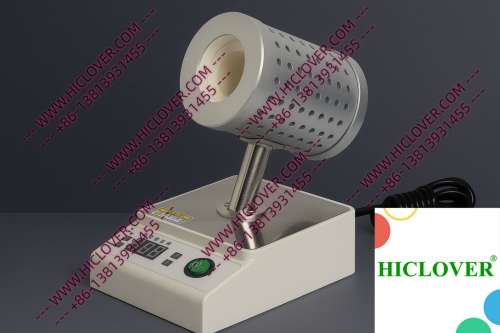
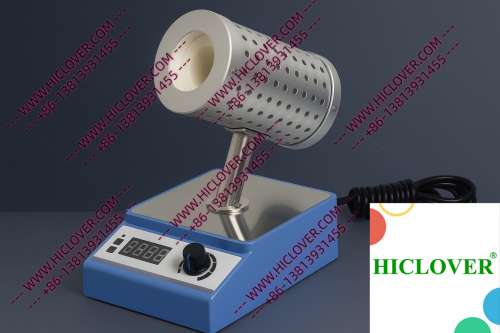
The Micro Incinerator operates on the principle of rapid thermal sterilization. Unlike its traditional counterparts, this device utilizes infrared heat to eliminate contaminants effectively. The enclosed ceramic heating chamber allows for high-temperature disinfection while minimizing exposure to harmful aerosols that can arise from open flames. The infrared technology ensures that laboratory tools such as inoculating loops and needles are sterilized in a matter of seconds, increasing workflow efficiency.
Advantages Over Traditional Flame Sterilizers
When comparing the Micro Incinerator to traditional flame-based methods, several key advantages emerge:
- Safety: The Micro Incinerator eliminates the risk of accidental burns and fires often associated with open flames.
- Contamination Control: Operating in a clean-bench-safe environment is crucial, and the Micro Incinerator minimizes risks associated with aerosol generation.
- Energy Efficiency: Infrared technology heats quickly, using less energy than sustained flame sources.
- Ease of Use: Lightweight and portable, it offers practical versatility in laboratory and field settings.
- Enhanced Sterilization: Delivers consistent high temperatures, ensuring thorough disinfection of various tools.
- What is the average sterilization time with a Micro Incinerator?
Micro Incinerators can typically sterilize tools in less than 10 seconds, providing rapid turnover in laboratory settings. - Is a Micro Incinerator safe for use in a biosafety cabinet?
Yes, Micro Incinerators are designed to operate safely within biohazard cabinets, minimizing the risk of contamination. - What maintenance is required for a Micro Incinerator?
Routine maintenance includes regular cleaning of the ceramic heating chamber and inspection of the power supply to ensure optimal performance. - Are Micro Incinerators environmentally friendly?
Yes, they produce fewer emissions compared to traditional flame sterilizers, making them a more eco-conscious choice. - Can I use a Micro Incinerator for different types of sterilization?
Micro Incinerators are primarily used for instruments like inoculating loops and needles, not for larger lab equipment.
Application Scenarios in Rwandan Laboratories
In Rwanda’s diverse healthcare landscape, the application of Micro Incinerators spans various laboratory settings. Here are two notable scenarios:
1. Clinical Diagnostics in Hospital Laboratories
In a clinical diagnostic laboratory, where swift results are of the essence, the Micro Incinerator plays a pivotal role. Using a biosafety cabinet, laboratory personnel quickly sterilize inoculating loops between samples, effectively preventing cross-contamination. Since time is vital in patient diagnosis, the rapid throughput provided by Infrared Inoculating Loop Sterilizers allows technicians to maintain efficiency without compromising safety.
2. Teaching Labs in Universities
Universities in Rwanda are also adopting Micro Incinerators for their teaching laboratories. In an educational setting where students learn fundamental microbiology techniques, safe and effective sterilization is paramount. The ease of use and the reduced risk of fire hazards help instructors focus more on teaching and less on managing hazardous conditions. Additionally, the infrared technology allows students to see the sterilization process without the drawbacks of flames, making it a more effective learning tool.
Compliance and Environmental Considerations
In adhering to global biosafety standards, compliance is crucial for all laboratories. The World Health Organization (WHO) emphasizes a sterile working environment to prevent infection and contamination. The transition to devices like Micro Incinerators also aligns with lab sterilization standards that promote the use of clean and safe methodologies, especially in BSL-2 and BSL-3 labs. Open flames are particularly discouraged in clean rooms where contaminants must be meticulously controlled.
Furthermore, environmental concerns are addressed by reducing the emissions typically associated with flame sterilizers. Infrared sterilization does not produce hazardous aerosols or smoke, making it a cleaner alternative that is safe for both users and the environment.
Frequently Asked Questions (FAQs)
Making the Transition to Advanced Sterilization
The transition from traditional flame sterilizers to advanced Micro Incinerators is not only a step towards enhanced safety and efficiency but also a critical move towards ensuring high standards of laboratory hygiene in Rwandan healthcare facilities. As hospitals, universities, and research centers strive to deliver the highest quality patient care, investing in state-of-the-art sterilization equipment like the Micro Incinerator becomes imperative.
Conclusion
In a world increasingly concerned with contamination and safety, the role of advanced sterilization equipment cannot be overstated. The Micro Incinerator represents a significant improvement over traditional flame methods, fulfilling the demands of modern laboratory workflows while ensuring compliance with stringent biosafety standards. If you are looking to enhance your laboratory’s sterilization capabilities, contact us today to explore our range of Micro Incinerators tailored for Rwandan healthcare needs.
Categories:
Tags: