
In modern laboratory settings, the challenge of maintaining sterile conditions while performing various biosafety tests and experiments is ever-present. Laboratories, especially those operating under BSL-2 and BSL-3 standards, must ensure that every tool and surface is devoid of microbial contamination. Traditional flame sterilizers like alcohol lamps and Bunsen burners, while universally recognized, pose specific risks, particularly in enclosed environments such as biosafety cabinets. This is where advanced alternatives, like the Micro Incinerator / Infrared Inoculating Loop Sterilizer, come into play, offering a solution that not only meets stringent sterilization demands but also enhances workflow efficiency.
Technical Principles of Micro Incinerators
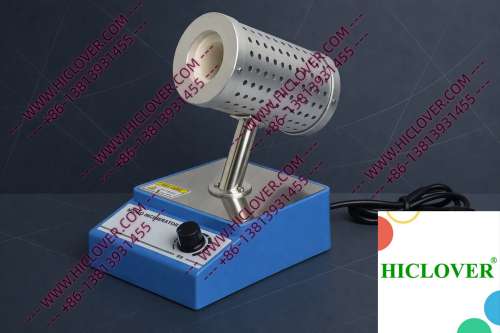
The Micro Incinerator operates using infrared heat technology, a method that allows for rapid thermal sterilization of inoculating loops and other small laboratory instruments. Encased within a ceramic heating chamber, it utilizes high-temperature disinfection without the use of an open flame. This design not only minimizes the risk of igniting combustible materials often found in labs, but it also ensures consistent temperature control, providing a reliable means for achieving sterilization.
Equipped with an ergonomic design, the Micro Incinerator allows for efficient handling and facilitates aerosol-free operations. This is crucial in research environments where the risk of contamination can significantly impact experimental outcomes.
Applications in Real Labs
1. Biosafety Cabinets in Microbiology Labs
In microbiological research settings, such as those adhering to WHO biosafety guidelines, the Micro Incinerator proves invaluable. When working within a biosafety cabinet, researchers can quickly and effectively sterilize their inoculating tools without the hazards associated with flame-based methods. The infrared technology ensures that the sterilization process minimizes aerosol production, allowing for a secure working environment.
2. Field Testing Scenarios
In mobile or field testing environments, where rapid turnover and portable sterilization solutions are essential, the Micro Incinerator excels. Researchers conducting environmental sampling or testing can rely on the compact design and lighter weight of this sterilizer, enabling easy transport. Its ability to provide a quick sterilization option without the need for additional fuel supplies or risky flame setups is a distinct advantage in these settings.
Compliance and Environmental Considerations
Ensuring compliance with laboratory sterilization standards is critical for research institutions aiming to meet both local and global biosafety protocols. The Micro Incinerator adheres to stringent guidelines established by the World Health Organization (WHO) and other governing bodies. With an emphasis on avoiding open flames in clean rooms, this sterilizer supports contamination control and enhances workplace safety.
By implementing infrared sterilization methods, laboratories can significantly reduce the risk of chemical exposure and fire hazards commonly associated with traditional flame-based sterilization techniques.
Advantages Over Traditional Flame Sterilizers
| Feature | Micro Incinerator | Flame Sterilizer |
|---|---|---|
| Temperature Control | Consistent and controlled | Variable, dependent on user skill |
| Safety | No open flame, no risk of combustion | Potential fire hazard |
| Aerosol Production | Aerosol-free handling | Can produce aerosols during sterilization |
| Portability | Light and compact | Generally bulkier |
| Ease of Use | Simple operation with no training required | Requires user training for effective use |
Frequently Asked Questions
- What materials can the Micro Incinerator sterilize?
It is designed for sterilizing inoculating loops, needles, and similar small laboratory tools made of metal. - How long does it take to sterilize instruments?
Typically, sterilization occurs within a few seconds, providing rapid turnaround for laboratory applications. - Is the Micro Incinerator suitable for field testing?
Yes, its lightweight and compact design makes it ideal for mobile and field testing scenarios. - Does it require any special maintenance?
Regular cleanings of the ceramic tube and checking of electrical components is recommended for optimal performance. - Can it be used in a biosafety cabinet?
Absolutely, it is safe to use in biosafety cabinets and is designed to enhance laboratory biosafety practices.
Conclusion
As laboratories continue to prioritize biosafety and efficient workflow, the Micro Incinerator / Infrared Inoculating Loop Sterilizer stands out as a modern solution to age-old sterilization challenges. By integrating this technology into both laboratory and field environments, researchers can significantly reduce contamination risks while enhancing overall safety and productivity. For institutions and distributors seeking to upgrade their sterilization platforms, the Micro Incinerator represents an effective investment in laboratory excellence. Reach out today for more information or to place an order!
Categories:
Tags: