
Laboratories today are constantly challenged by the need for stringent biosafety measures and effective sterilization workflows. In environments such as BSL-2 and BSL-3 microbiology labs, ensuring contamination control is essential for valid research results, safety, and public health. Among various sterilization equipment available, the Micro Incinerator, or Infrared Inoculating Loop Sterilizer, has emerged as a game-changer in laboratory settings.
Understanding Infrared Heat Technology
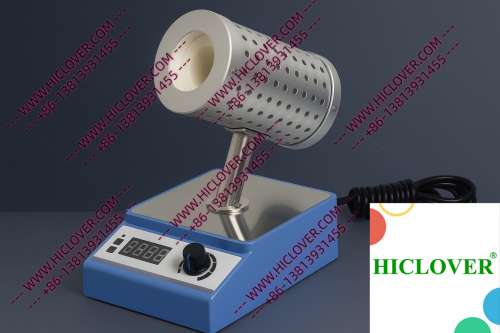
The key to the effectiveness of a Micro Incinerator lies within its sophisticated technical design. This equipment operates through rapid thermal sterilization using infrared heat combined with an enclosed ceramic tube. When the inoculating loop is inserted into the sterilizer, it is rapidly heated to high temperatures, typically above 800°C. This ensures immediate disinfection without the use of flames, addressing both safety and efficiency concerns.
Design Features of the Micro Incinerator
The Micro Incinerator is not only effective but also designed with user safety and convenience in mind. Key features include:
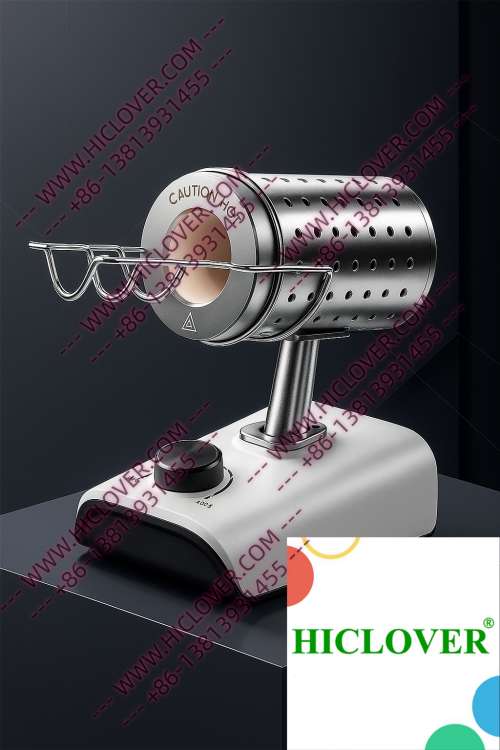
- Enclosed Heating Chamber: Minimizes the risk of accidental burns or fire hazards compared to traditional flame sterilizers.
- Aerosol-Free Handling: Ensures a clean operation within biosafety cabinets or clean rooms by preventing aerosol generation.
- Quick Warm-Up Time: Reduces total sterilization time, which improves workflow efficiency in busy laboratory environments.
Application Scenarios in Real Labs
Micro Incinerators have witnessed versatile application across various lab settings, enhancing laboratory practices significantly:
1. Biosafety Cabinets
In clinical diagnostics and research laboratories, working within a biosafety cabinet is a standard practice to minimize exposure to hazardous pathogens. The Micro Incinerator fits seamlessly into these environments. Its flameless operation allows scientists to sterilize tools directly at their workstations without compromising the sterile environment of the biosafety cabinet.
2. University Teaching Labs
University laboratory courses frequently involve the use of microbial cultures. The Micro Incinerator has become a favored choice due to its appeal for educational settings, where student safety is paramount. With minimal supervision required as compared to flame-based sterilizers, educators can ensure not only clean cultures but also a safe learning environment.
3. Mobile and Field Testing Labs
In scenarios where traditional laboratory setups are not viable, such as field testing for water contamination analysis, Micro Incinerators prove essential. Their lightweight design allows for easy transport without compromising sterilization quality, providing researchers with reliable microbial analysis tools in remote locations.
Compliance and Environmental Safety
International guidelines, such as those provided by the WHO and various lab sterilization standards, emphasize the importance of safety in laboratory environments. The Micro Incinerator contributes to the compliance of these regulations as it effectively eliminates contaminants while bypassing the risks associated with open flames. In clean room environments, where the use of alcohol lamps or Bunsen burners is prohibited, Micro Incinerators represent a forward-thinking solution that upholds safety without sacrificing efficacy.
Comparison Table: Micro Incinerator vs. Flame Burners
| Feature | Micro Incinerator | Flame Burners |
|---|---|---|
| Heat Source | Infrared | Open Flame |
| Safety | Enclosed Design | Risk of Burns |
| Aerosol Generation | No | Yes |
| Warm-Up Time | Instant | Variable |
| Compliance | Meets WHO Standards | Often Non-Compliant in Clean Rooms |
FAQs about Micro Incinerators
What are the primary advantages of using a Micro Incinerator over traditional flame sterilizers?
The Micro Incinerator offers increased safety, rapid thermal sterilization, and reduces aerosol generation, making it ideal for sensitive laboratory settings.
Can the Micro Incinerator be used in a biosafety cabinet?
Yes, its flameless design allows for its use within a biosafety cabinet, enhancing sterility while preventing aerosols during sterilization.
How does the Micro Incinerator contribute to compliance with laboratory safety standards?
Its enclosed design and bare minimum risk of contamination make it fully compliant with WHO guidelines and other laboratory sterilization standards.
Is the Micro Incinerator suitable for use in field testing labs?
Absolutely, its compact design and efficient sterilization capabilities make it very suitable for field testing applications.
What is the average lifespan of the Micro Incinerator?
Provided with proper maintenance, a Micro Incinerator can have a long lifespan, generally exceeding several years of consistent use.
Conclusion
In summary, the transition from traditional flame sterilizers to Micro Incinerators is not merely a trend but a necessary evolution in laboratory practices. With its advanced sterilization capabilities and adherence to safety protocols, the Micro Incinerator is indispensable across various laboratory environments. Whether you’re in a bustling university teaching lab or engaged in critical field testing, investing in a Micro Incinerator can significantly enhance your sterilization workflow while ensuring compliance with vital safety standards. Contact us today to explore how integrating a Micro Incinerator can benefit your laboratory operations.
Categories:
Tags: