
In today’s laboratories, ensuring biosafety while maintaining the efficiency of sterilization processes is a major challenge. The demand for effective contamination control methods has driven researchers and lab managers to explore innovative solutions. Among these, the Micro Incinerator or Infrared Inoculating Loop Sterilizer has emerged as a particularly valuable tool. Combining rapid thermal sterilization with energy efficiency, these devices serve as game changers in laboratory sterilization equipment.
Technical Principles of Micro Incinerators
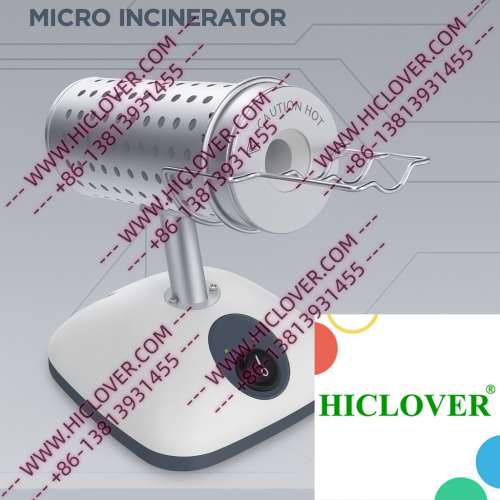
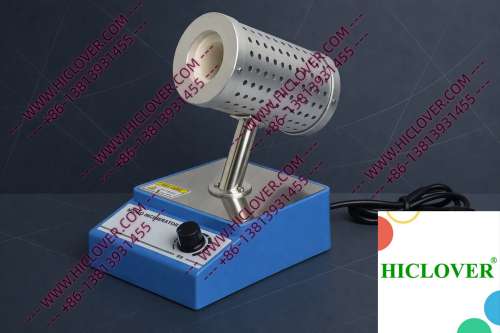
Micro Incinerators utilize infrared heating technology, which allows for precise and efficient sterilization. Unlike traditional flame sterilizers such as alcohol lamps and Bunsen burners, which rely on open flames and pose risks in clean environments, the Micro Incinerator operates using a contained ceramic heating chamber. This enclosed design prevents cross-contamination and ensures safe operation within biosafety cabinets or cleanroom environments.
These devices can achieve high-temperature disinfection rapidly, effectively killing bacteria, fungi, and other pathogens on inoculating loops and other lab instruments. The use of infrared heat ensures that energy is used efficiently—minimal heat loss occurs, leading to faster sterilization times and reduced operational costs.
Applications in Real Labs
- Biosafety Cabinet Usage: In BSL-2 and BSL-3 microbiology labs, the Micro Incinerator is essential for maintaining a sterile environment. Researchers can quickly sterilize inoculating loops without risking aerosol generation, allowing for effective sample manipulation in a clean, controlled atmosphere.
- Field Testing: In mobile laboratories and field testing scenarios, the portability and energy efficiency of micro incinerators are unmatched. They can provide rapid sterilization in various environments, ensuring compliance with safety standards and effective sample preservation even outside traditional lab settings.
- What types of labs benefit from using a Micro Incinerator?
Micro Incinerators are ideal for BSL-2 and BSL-3 microbiology labs, clinical diagnostics, teaching labs, and field testing environments. - How does infrared heat improve sterilization efficiency?
Infrared heat provides rapid and uniform sterilization, minimizing heat loss and ensuring thorough disinfection with less energy consumption. - Can Micro Incinerators operate in clean rooms?
Yes, they are specifically designed to be used in clean rooms due to their enclosed heating chamber and clean-bench-safe operation. - What makes Micro Incinerators environmentally friendly?
They consume less energy compared to traditional flame sterilizers and produce no emissions or flames that could compromise sterile environments. - Are there any safety risks associated with using Micro Incinerators?
While they are much safer than traditional flame sterilizers, standard safety practices should always be followed to ensure smooth operation.
Compliance and Environmental Considerations
Adhering to global biosafety guidelines is essential for laboratory operations. The World Health Organization (WHO) and other regulatory bodies recommend strict sterilization standards in laboratory settings, especially in facilities handling potentially hazardous microorganisms. Traditional flame sterilizers can pose risks of fire and contamination, particularly in sensitive environments like clean rooms. By contrast, infrared inoculating loop sterilizers eliminate such hazards and meet biosafety requirements, making them ideal for both clinical diagnostics and educational purposes.
Further, the energy efficiency of Micro Incinerators contributes to sustainability. With lower energy consumption than traditional flame-based systems, labs can reduce their carbon footprint while achieving high sterilization standards.
Comparison: Micro Incinerator vs. Flame Sterilizers
| Feature | Micro Incinerator | Flame Sterilizers |
|---|---|---|
| Energy Efficiency | High | Moderate |
| Heat Source | Infrared | Open Flame |
| Application Safety | Clean-bench-safe | Aerosol Risk |
| Sterilization Time | Rapid | Moderate |
| Maintenance | Low | High |
FAQs
Conclusion
The shift from efficiency to effectiveness in laboratory sterilization is increasingly evident through the integration of energy-efficient heaters like the Micro Incinerator and Infrared Inoculating Loop Sterilizer. These devices not only ensure high safety and compliance standards but also enhance overall laboratory workflows. For laboratories seeking to improve their sterilization processes and achieve optimal contamination control, investing in a Micro Incinerator is an essential step forward.
If you are interested in learning more about how Micro Incinerators can revolutionize your lab sterilization processes, don’t hesitate to contact us today!
Categories:
Tags: