
In today’s research-driven landscape, laboratory professionals face numerous biosafety challenges while managing sterilization workflows. The need for effective sterilization equipment is integral to avoid contamination in sensitive environments, from high-tech research facilities to humble teaching labs. While traditional flame sterilizers, like alcohol lamps and Bunsen burners, have served their purpose, newer technologies are reshaping sterilization practices, notably with the introduction of portable loop sterilizers like the Micro Incinerator or Infrared Inoculating Loop Sterilizer.
Understanding the Technical Principles of Infrared Loop Sterilizers
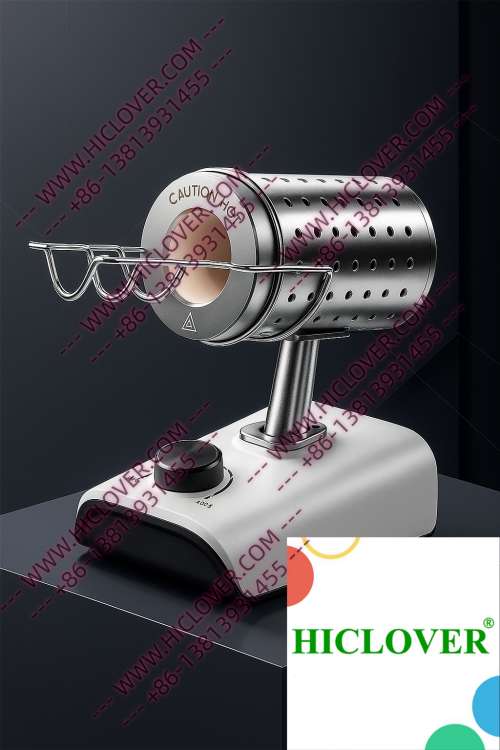
At the core of the Micro Incinerator’s efficiency lies its use of infrared heat. This technology employs a ceramic heating chamber where the inoculating loops are inserted for rapid thermal sterilization. The enclosed design ensures a controlled environment, providing high-temperature disinfection while eliminating the risk of open flames, which are a disaster waiting to happen in cleanroom contexts. Infrared sterilizers heat the loops to temperatures exceeding 800°C within seconds, making them a far superior option compared to traditional flame-based systems.
- Rapid cycle times: Unlike flame sterilizers, where heat application could take longer, Micro Incinerators reduce the waiting time, allowing for more efficient workflow.
- Aerosol-free handling: The enclosed sterile environment minimizes any aerosol production that could lead to contamination.
- Energy-efficient design: Infrared loop sterilizers consume less energy than gas-powered or traditional flame systems.
Application Scenarios in Real Labs
To highlight the versatility of portable loop sterilizers, we will explore two application scenarios demonstrating their effectiveness in various laboratory environments.
Biosafety Cabinet Sterilization
In a BSL-2 microbiology lab, maintaining optimal biosafety is imperative. Here, the Micro Incinerator provides a secure method for sterilizing inoculating loops without compromising airflow or creating hazardous fumes. The ability to quickly sterilize tools aids researchers in maintaining adherence to protocols while working with pathogenic organisms, allowing them to focus on their projects rather than the sterilization process.
Field Testing Scenario
In the context of fieldwork, imagine a researcher stationed in a remote area collecting samples for environmental studies. The Micro Incinerator offers portability and reliability. It enables sterilization of equipment on-site, significantly reducing the risk of cross-contamination during sample collection, which is critical in studies involving delicate ecosystems or outbreaks of communicable diseases.
Compliance with Biosafety and Laboratory Standards
Adopting the Micro Incinerator aligns with WHO biosafety guidelines and stringent laboratory sterilization standards. For example, sterile procedures in cleanrooms require strict protocols against contamination, which are easily compromised with open flames. Portable loop sterilizers fall within compliance as they adhere to guidelines aimed at maintaining aseptic conditions.
Comparative Overview: Micro Incinerator vs. Traditional Flame Sterilizers
| Features | Micro Incinerator | Traditional Flame Sterilizers |
|---|---|---|
| Heat Source | Infrared | Open Flame |
| Cycle Time | Seconds | Minutes |
| Risk of Contamination | Minimal | High |
| Energy Efficiency | High | Low |
When comparing the Micro Incinerator with traditional sterilization techniques, it is clear that the infrared method provides substantial operational advantages, particularly in environments subject to stringent sterilization protocols.
Frequently Asked Questions
- What is the primary advantage of using a Micro Incinerator over a Bunsen burner?
The Micro Incinerator offers rapid thermal sterilization, reduced contamination risk, and is ideal for cleanroom environments where open flames are prohibited. - How does the Micro Incinerator comply with WHO biosafety standards?
Its enclosed design and aerosol-free operation ensure that it meets the necessary biosafety standards for laboratory equipment. - Can the Micro Incinerator be used in university teaching labs?
Absolutely! Its user-friendly design and quick sterilization times make it an excellent choice for educational environments. - What types of samples can I sterilize with the Micro Incinerator?
It is effective for sterilizing inoculating loops, needles, and other small laboratory tools, particularly for microbiological applications. - Is the Micro Incinerator portable?
Yes, its compact size and design make it highly portable, suitable for field testing and remote sampling.
Conclusion: Rethink Your Sterilization Workflow
Laboratories worldwide are recognizing the benefits of transitioning to modern sterilization technology that enhances workflow and maintains safety. The Micro Incinerator / Infrared Inoculating Loop Sterilizer emerges as an essential tool for labs operating in diverse domains including clinical diagnostics, BSL-2/BSL-3 microbiology labs, and in mobile field testing scenarios. By securely addressing contamination control, this cutting-edge equipment offers a reliable and efficient alternative to traditional flame sterilizers.
To learn more about how the Micro Incinerator can elevate your laboratory’s sterilization practices or to explore purchasing options, feel free to contact us!
Categories:
Tags: