
Laboratories across the globe are facing an increasing demand for effective sterilization processes to ensure biosafety and contamination control. Traditional flame sterilizers, such as alcohol lamps and Bunsen burners, have long been the go-to solutions for sterilizing inoculating loops and other instruments. However, as research and laboratory environments evolve, the limitations of these tools are becoming more pronounced. To address these challenges, innovations such as the Micro Incinerator and Infrared Inoculating Loop Sterilizer are reshaping the landscape of laboratory sterilization technologies.
Understanding the Micro Incinerator: A Paradigm Shift in Laboratory Safety
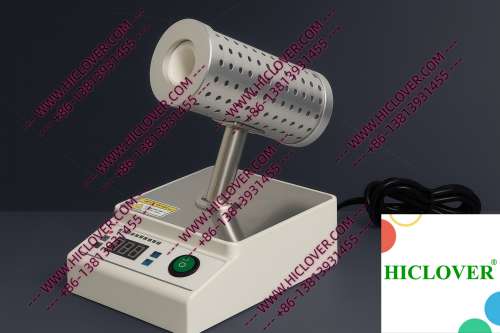
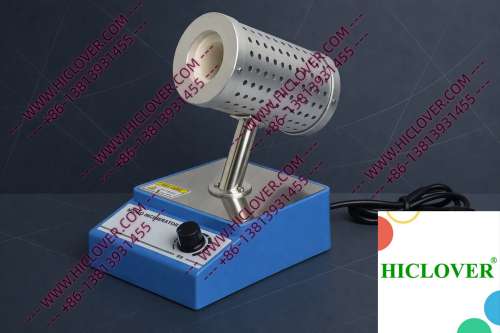
The Micro Incinerator operates on the principle of rapid thermal sterilization. Utilizing infrared heat, this device is engineered with a ceramic heating chamber that provides an enclosed environment for high-temperature disinfection. Unlike traditional flame-based systems, the Micro Incinerator achieves temperatures exceeding 800°C without the risks associated with open flames, including fire hazards or aerosol generation.
- Enclosed Design: The ceramic tube keeps heat concentrated and ensures safety during use.
- Rapid Heating: Provides immediate sterilization in seconds, thus minimizing downtime.
- High-Temperature Sterilization: Effectively kills a wide range of microorganisms through direct infrared heat.
Application Scenarios in Modern Laboratories
Applications of the Micro Incinerator are extensive, making it a versatile tool for various laboratory environments.
1. Biosafety Cabinets in BSL-2 and BSL-3 Laboratories
In microbiology labs classified as BSL-2 and BSL-3, maintaining strict biosafety protocols is critical. Using the Micro Incinerator inside a biosafety cabinet allows for aerosol-free handling of pathogenic samples. Operators can quickly sterilize loops and other instruments without exposing themselves or the environment to contamination risks.
2. Teaching Labs in Academic Institutions
The integration of a Micro Incinerator into university teaching labs enhances student safety while providing a practical tool for learning sterilization techniques. As students engage in microbiology labs, instructors can demonstrate efficient sterilization processes, emphasizing the importance of contamination control in a real-time setting.
Compliance with Global Biosafety Standards
Adhering to global and regional biosafety regulations is indispensable in laboratory operations. The Micro Incinerator not only meets sterilization efficacy criteria but also aligns with key guidelines such as WHO biosafety standards. With an enclosed design, it poses no risk of flames in clean rooms, addressing a significant compliance concern. The absence of open flames assures facility managers that there is a lower chance of fire hazards, promoting a safer workspace.
Incorporating infrared technology into sterilization workflows can help labs fulfill their safety protocols while ensuring high standards of cleanliness and operational efficiency.
Key Advantages Over Traditional Flame Sterilizers
The transition from flame-based sterilization methods to cutting-edge solutions like the Micro Incinerator presents numerous advantages:
- Enhanced Safety: The risk of accidental fires or explosions is significantly minimized.
- Aerosol Control: Infrared sterilization eliminates the potential for aerosolized pathogens.
- Consistency: Delivers reliable results, regardless of operator skill level.
- Time Efficiency: Rapid cycle times reduce overall lab workflow interruptions.
Comparison Table: Micro Incinerator vs. Flame Burners
| Feature | Micro Incinerator | Flame Burners |
|---|---|---|
| Heat Source | Infrared | Open Flame |
| Temperature Control | Precise | Variable |
| Aerosol Generation | None | Yes |
| Safety Risks | Low | High |
| Time to Sterilize | Seconds | Variable |
Frequently Asked Questions (FAQs)
- What is a Micro Incinerator, and how does it work?
The Micro Incinerator utilizes infrared heat in a ceramic chamber to achieve rapid and efficient sterilization. - Is the Micro Incinerator suitable for BSL-3 labs?
Yes, it is ideal for BSL-2 and BSL-3 environments due to its safety features and effective sterilization capabilities. - How does the Micro Incinerator compare to traditional flame sources?
The Micro Incinerator minimizes safety risks, provides rapid sterilization, and eliminates aerosol generation, which traditional methods do not. - Can this device be used in teaching laboratories?
Absolutely. The Micro Incinerator enhances laboratory learning experiences while ensuring safety and compliance. - Does the Micro Incinerator conform to WHO biosafety standards?
Yes, it adheres to the regulations stipulated for biosafety in laboratory settings, making it a compliant choice for various labs.
Conclusion
As laboratory sterilization needs continue to evolve, embracing innovative solutions like the Micro Incinerator is vital for safety and operational efficiency. By transitioning to infrared-based sterilization, labs can enhance their biosafety protocols while significantly improving workflow. For anyone looking to elevate their sterilization processes, the Micro Incinerator is a powerful instrument worth considering. Don’t hesitate to reach out for more information or to purchase this cutting-edge sterilization solution today!
Categories:
Tags: