
In any laboratory environment, maintaining a sterile workspace is paramount to ensure the validity of experiments and the safety of personnel. Traditional sterilization methods, notably flame-based approaches using Bunsen burners and alcohol lamps, have raised several biosafety challenges. As scientific research evolves, there is an increasing demand for efficient, reliable, and safe sterilization techniques. This is where the Micro Incinerator — also known as the Infrared Inoculating Loop Sterilizer — steps in, transforming laboratory protocols and elevating contamination control to new heights.
Modern Biosafety Challenges in Laboratories
Laboratories, particularly those operating in BSL-2 and BSL-3 environments, face unique challenges in biosafety. Traditional flame sterilizers can pose a risk, including:
- Aerosol generation during combustion
- Potential ignition of flammable materials
- Inconsistent sterilization rates
- Heat damage to delicate instruments
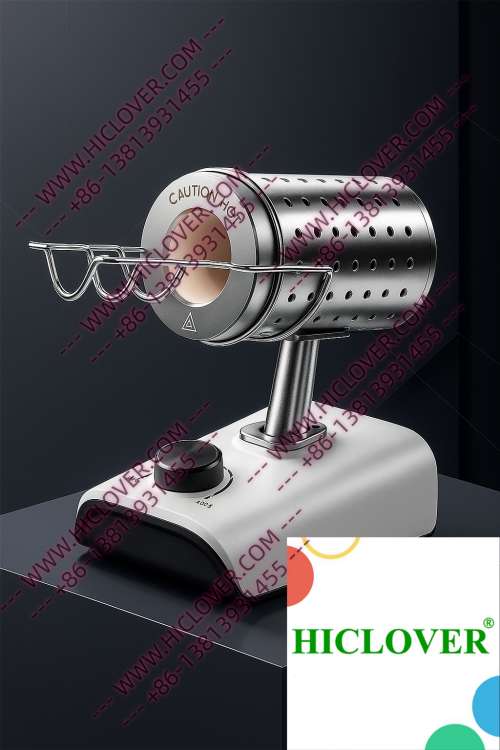
- Enclosed Ceramic Heating Chamber: The ceramic tube allows for controlled heating, providing consistent sterilization temperatures while minimizing heat exposure to surrounding areas.
- Aerosol-Free Handling: Its design helps prevent the generation of aerosols, which is particularly beneficial when working with pathogenic organisms.
- Compact and Portable: Ideal for both laboratory benches and field-testing applications, its lightweight structure makes it easy to transport and set up.
As research becomes more intricate and facilities aim for higher compliance with WHO biosafety and laboratory sterilization standards, the need for advanced sterilization equipment is undeniable. The Micro Incinerator addresses these demands through innovative design and technology.
Operating Principle and Design Features of the Micro Incinerator
The Micro Incinerator utilizes infrared heat technology, enabling rapid thermal sterilization without the need for open flames. Key features include:
Real-World Application Scenarios
The practical applications of the Micro Incinerator extend across various laboratory settings:
1. Biosafety Cabinets
In a biosafety cabinet, researchers working with biohazardous materials benefit greatly from the Micro Incinerator. Its rapid and reliable sterilization capability allows scientists to perform inoculations safely, ensuring there’s no risk of contaminating samples or the environment.
2. Teaching Labs
University teaching labs often struggle with teaching proper sterilization techniques. The Micro Incinerator serves as an excellent educational tool, allowing students to witness effective sterilization without the risks associated with flame-based methods. Its user-friendly interface promotes safe practices while adhering to clean-bench-safe protocols.
Compliance and Environmental Considerations
When it comes to laboratory operations, compliance with safety standards is non-negotiable. The Micro Incinerator aligns with WHO biosafety regulations and various laboratory sterilization protocols, clearly demonstrating a commitment to safety and efficacy. Furthermore, the absence of flame in clean rooms reduces the risk of accidents and contamination, making it ideal for sensitive environments.
By opting for infrared sterilization, laboratories are not only complying with necessary safety standards but also advocating for environmentally friendly practices. Reduced energy consumption and the elimination of flammable materials contribute to a safer lab environment.
Comparison of Micro Incinerator vs. Flame Burners
| Feature | Micro Incinerator | Flame Burners |
|---|---|---|
| Sterilization Method | Infrared Thermal | Combustion |
| Aerosol Generation | No | Yes |
| Heat Control | Consistent | Variable |
| Environmental Risks | Minimal | Higher |
| Portability | High | Medium |
Frequently Asked Questions
1. What makes the Micro Incinerator different from traditional sterilizers?
The Micro Incinerator features infrared thermal sterilization, which is more efficient, safer, and reduces aerosol generation compared to traditional flame-based sterilizers.
2. Can the Micro Incinerator be used in field testing laboratories?
Yes, its compact design and portability make it ideal for mobile labs and field testing scenarios.
3. How does the Micro Incinerator comply with laboratory standards?
It adheres to WHO biosafety regulations, ensuring safe operations in BSL-2 and BSL-3 environments by eliminating risks associated with open flames.
4. Is the Micro Incinerator suitable for educational purposes?
Absolutely! It provides a safe and efficient way for students to learn proper sterilization techniques without the hazards of flame-based methods.
5. What are the long-term advantages of switching to a Micro Incinerator?
Long-term benefits include improved safety, consistency in sterilization, reduced environmental risks, and better adherence to regulatory standards.
Conclusion
The shift from traditional flame sterilizers to Micro Incinerators signifies not just a change in technology, but a transformation in laboratory practices. The enhanced safety, rapid sterilization, and compliance with international standards exemplify the evolution needed in laboratory equipment. For distributors, hospitals, universities, and research centers looking to modernize their sterilization protocols, the Micro Incinerator proves to be an invaluable asset. Contact us today to learn more about integrating this innovative solution into your laboratory operations!
Categories:
Tags: