
In the face of rapid urbanization, India’s cities are grappling with significant waste management challenges. The need for effective garbage disposal methods has never been more pressing, especially as municipal landfills overflow and the adverse impacts of waste on public health and the environment escalate. In this context, innovative solutions like micro incinerators are gaining traction, offering not only a practical method for waste disposal but also a transformative application in laboratory sterilization. This article delves into the applications, benefits, and compliance standards surrounding micro incinerators, specifically focusing on laboratory sterilization equipment such as the Micro Incinerator / Infrared Inoculating Loop Sterilizer.
The Laboratory Biosafety Challenge
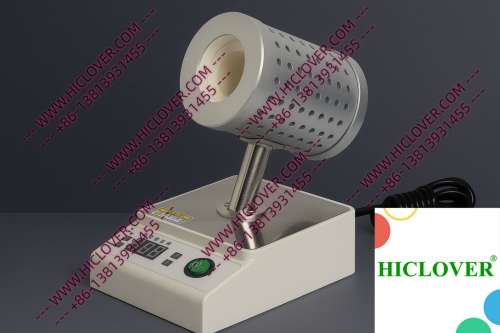
Laboratories, particularly those operating in biosafety levels (BSL) 2 and 3, face unique sterilization workflow demands. The need for effective contamination control is paramount, with traditional flame sterilizers like alcohol lamps and Bunsen burners posing risks such as uncontrolled flames and aerosol generation. In an era where biosafety is critical, switching to advanced sterilization technologies is not just a preference; it’s a requirement.
Technical Principles of Micro Incinerators
The Micro Incinerator utilizes infrared heat generated through a ceramic heating chamber, which is designed to achieve rapid thermal sterilization. Unlike conventional flame-based sterilizers, this system operates with enclosed structures that provide a clean-bench-safe environment. The enclosed ceramic tube is specifically engineered to reach and maintain high temperatures, allowing for rapid and effective sterilization of inoculating loops and other lab tools.
Applications in Laboratory Settings
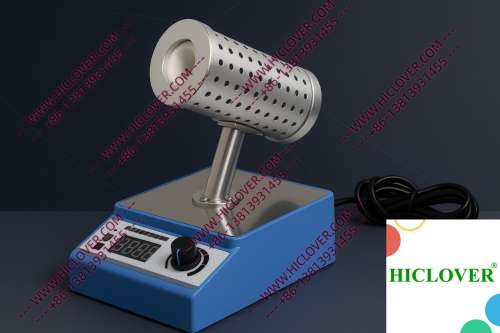
Micro Incinerators find diverse application in several laboratory scenarios, enhancing both safety and efficiency. Here are two key use cases:
- Biosafety Cabinets: In BSL-2/BSL-3 labs, where aerosol production must be minimized, the Micro Incinerator operates within biosafety cabinets to eliminate the risk of contamination while effectively sterilizing instruments before and after usage.
- Field Testing Labs: For mobile laboratories engaged in field testing, especially in remote areas where access to electricity may be limited, the compact design and portability of micro incinerators ensure consistent sterilization without reliance on flame-based methods that could pose additional hazards.
Compliance and Environmental Considerations
The importance of compliance with sterilization standards cannot be overstated. WHO biosafety guidelines advocate for various sterilization methods that prioritize the safety of laboratory personnel and the environment. Notably, micro incinerators contribute to safe laboratory practices by eliminating the use of flames within clean rooms. Adherence to lab sterilization standards is essential, and with micro incinerators, laboratories can maintain hygiene while aligning with crucial environmental standards.
Advantages Over Traditional Flame Sterilizers
The transition from flame sterilizers to micro incinerators offers numerous advantages:
- Safety: Reduced risk of burns and contamination through aerosol management.
- Efficiency: Rapid thermal sterilization eliminates waiting times associated with flame cooling.
- Clean Environment: No open flames means the ability to sterilize in sensitive zones without compromising clean bench conditions.
- Environmental Impact: Reduced emissions and safer waste handling through efficient combustion.
To illustrate these advantages better, here’s a comparison table detailing key features:
| Feature | Micro Incinerator | Flame Burner |
|---|---|---|
| Safety | Enclosed ceramic heating, no open flame | Open flame, risk of burns |
| Efficiency | Rapid thermal sterilization | Longer cooling times |
| Aerosol Generation | Minimal | High risk |
| Environmental Compliance | Meets WHO standards | Higher emissions |
FAQs About Micro Incinerators
What is the primary advantage of using a Micro Incinerator in a lab setting?
The primary advantage is the enhanced safety it provides by eliminating the risks associated with open flames, thus ensuring a clean environment during sterilization.
Can micro incinerators be used in field testing laboratories?
Yes, their portable design and efficient operation make them ideal for field testing scenarios where traditional sterilizers might not be feasible.
How do micro incinerators conform to international biosafety standards?
These devices meet WHO biosafety guidelines by promoting contamination control and safe disposal methods, crucial for laboratory safety.
Are micro incinerators more cost-effective than traditional methods?
While the initial investment may be higher, the long-term safety and efficiency benefits often translate to better overall cost management.
Is training required to operate a Micro Incinerator safely?
Yes, proper training is essential to ensure users understand the operational protocol and safety measures associated with these devices.
Conclusion
As India faces an urgent need to manage urban waste effectively, micro incinerators offer a dual solution: environmentally sustainable waste management and superior sterilization efficiency in laboratories. With their compact design and significant safety benefits, purchasing a Micro Incinerator / Infrared Inoculating Loop Sterilizer can greatly enhance the operational workflow of laboratories and contribute to safer biosafety practices. For inquiry or to explore our range of innovative sterilization equipment, please contact us.
Categories:
Tags: