
In the demanding environment of modern laboratories, biosafety and contamination control are paramount. Laboratory professionals are continuously challenged with the effective sterilization of equipment and materials, particularly in high-stakes fields such as pharmaceuticals and clinical diagnostics. Among the most advanced solutions for overcoming these challenges is the Micro Incinerator, specifically designed to enhance laboratory sterilization workflows through rapid thermal sterilization.
The Science Behind Micro Incinerators
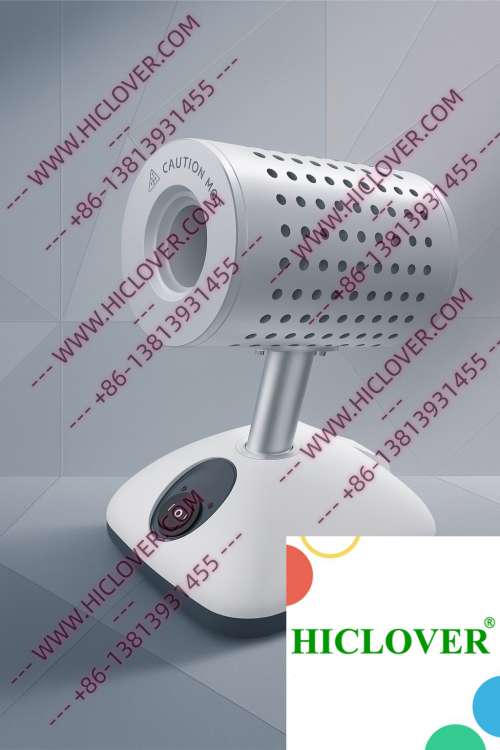
Micro Incinerators operate based on the principle of infrared heat. Featured prominently within these devices is a ceramic heating chamber that provides high-temperature disinfection without the exposure risks associated with traditional flame sterilizers like alcohol lamps and Bunsen burners. Instead of open flames, which pose safety hazards and can create aerosols, Micro Incinerators utilize an enclosed ceramic tube that achieves sterilization temperatures quickly and effectively. This configuration not only enhances the sterilization process but also significantly reduces the risk of contamination.
Core Features of Micro Incinerators
- Rapid Thermal Sterilization: Achieves sterilization within seconds.
- Clean-Bench Safe: Designed to operate safely under biosafety cabinets.
- Aerosol-Free Handling: Eliminates aerosol generation for safer laboratory environments.
- Energy Efficiency: Converts hazardous waste to energy through effective incineration.
Application Scenarios in Real Labs
Biosafety Cabinet Usage
In a BSL-2 microbiology lab, maintaining a sterile environment is essential. Here, Micro Incinerators are used to sterilize inoculating loops and other equipment efficiently without the risks associated with flames. The sterilization process is rapid, allowing researchers to maintain workflow continuity. The high-temperature capability of the Micro Incinerator ensures that even the most resilient pathogens are destroyed, meeting stringent laboratory standards.
Field Testing Laboratories
Field testing labs, often situated in remote locations, benefit significantly from portable laboratory solutions. The compact design of Micro Incinerators allows for ease of transport, making them ideal for field studies. In these scenarios, researchers can quickly sterilize their tools and materials on-site, ensuring accurate results without the need for complex sterilization setups. This approach not only preserves the integrity of the samples but also emphasizes adherence to biosafety and ethical standards.
Compliance with Laboratory Standards
Adhering to biosafety regulations is non-negotiable in any laboratory setting. The World Health Organization (WHO) has established stringent biosafety guidelines that dictate how laboratories manage dangerous pathogens and handle sterilization equipment. Micro Incinerators align with these regulations by providing a safer alternative to traditional flame sterilizers. Their design keeps flames contained, thereby avoiding potential contamination in clean rooms.
In compliance with ISO 15189 and other lab sterilization standards, Micro Incinerators offer reduced risks of contamination, thus ensuring laboratory operations are both safer and more reliable. Below is a comparison that highlights the advantages of Micro Incinerators versus traditional flame burners:
| Feature | Micro Incinerator | Traditional Flame Burners |
|---|---|---|
| Safety | Enclosed system, aerosol-free | Open flame, aerosol generation risk |
| Speed of Sterilization | Seconds | Minutes |
| Energy Consumption | High efficiency | Varies, less efficient |
| Environmental Impact | Reduces hazardous waste | Increases hazardous waste |
Regional Considerations
Laboratories in urban areas like London, UK, and New York City, USA, often face strict compliance regulations given their higher density of research organizations. The implementation of Micro Incinerators can help streamline compliance efforts in these metropolitan settings while simultaneously improving operational efficiency. As organizations navigate the complexities of biosafety protocols, adopting innovative sterilization solutions becomes imperative.
FAQs about Micro Incinerators
What are the primary benefits of using Micro Incinerators in laboratories?
Micro Incinerators offer rapid sterilization, enhanced safety, reduced contamination risk, and energy efficiency compared to traditional flame sterilizers.
How do Micro Incinerators maintain biosafety compliance?
These devices are designed to operate safely within biosafety cabinets, preventing flame exposure, aerosol generation, and ensuring adherence to WHO and ISO standards.
Can Micro Incinerators be used in field labs?
Yes, their portable design and effective sterilization capabilities make them ideal for mobile and field testing laboratories.
Are there any limitations to using Micro Incinerators?
While Micro Incinerators are highly effective, they require a consistent power source and are designed for specific laboratory applications.
How does the cost of Micro Incinerators compare to traditional methods?
While the initial investment in Micro Incinerators may be higher, their efficiency and longevity often result in lower long-term costs compared to traditional flame sterilizers.
Conclusion
Transitioning to Micro Incinerators for laboratory sterilization not only enhances operational effectiveness but also aids in environmental sustainability by converting hazardous waste to energy. With their advanced technology, these devices offer laboratories a safer, more compliant way to manage sterilization processes. Interested in upgrading your laboratory sterilization capabilities? Contact us today to learn more about how Micro Incinerators can transform your operations.
Categories:
Tags: