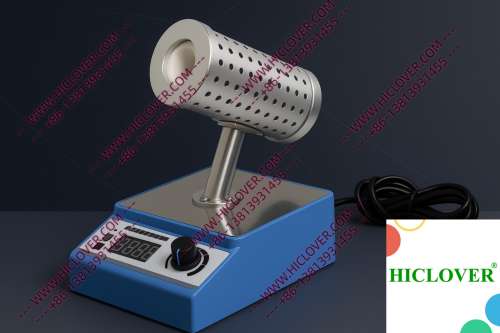
In today’s fast-paced laboratory environments, maintaining strict biosafety protocols is paramount. Laboratories face practical challenges such as contamination risk, the need for rapid thermal sterilization, and the requirement for efficient sterilization workflows. High-temperature sterilizers, particularly the Micro Incinerator or Infrared Inoculating Loop Sterilizer, are becoming increasingly vital to achieving these goals in diverse laboratory settings.
Understanding the Technical Principles of Infrared Sterilization
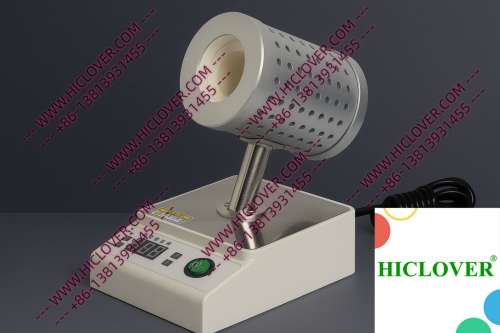
The Micro Incinerator operates on the principle of infrared heat emission, employing an enclosed ceramic tube that provides high-temperature disinfection. Unlike traditional sterilizers that rely on flames, this innovative device uses infrared radiation to elevate the temperature of inoculating loops and other equipment quickly. The focused heating eliminates contaminants efficiently while ensuring that the surrounding environment is protected from aerosolized particles. This makes the Micro Incinerator especially suitable for clean-room applications, where flame sterilizers can pose safety risks.
Real-World Applications of Micro Incinerators in Laboratories
1. Biosafety Cabinets and Micro Incinerator Integration
In BSL-2 and BSL-3 microbiology labs, the need for germicidal methods is crucial. When integrated within a biosafety cabinet, the Micro Incinerator provides an effective solution for sterilizing inoculating loops and tools without compromising airflow or introducing flames. The closed design of the Micro Incinerator minimizes aerosol generation and protects personnel from potential exposure to hazardous biological agents.
2. Field Testing Laboratories
Field-testing laboratories often operate under varying conditions and may not always have access to traditional sterilization methods. The portability of the Micro Incinerator makes it an ideal choice for mobile labs. Its capacity for rapid thermal sterilization means that researchers can perform bacterial analysis and other assessments with minimal delay, ensuring accurate results in remote locations. Moreover, the absence of flames enhances safety during outdoor operations, mitigating risks related to ignitability in dry or windy conditions.
Regulatory Compliance and Environmental Considerations
As laboratories strive to meet international standards for sterilization, compliance with WHO biosafety guidelines and lab sterilization standards is critical. The Micro Incinerator adheres to these regulations, ensuring that facilities maintain essential contamination control protocols. Traditional flame sterilizers often pose challenges in clean-room environments due to open flames and potential for igniting flammable materials. Using an infrared sterilizer not only complies with safety standards but also contributes to a cleaner, more efficient laboratory environment.
“Maintaining a flame-free sterilization protocol is essential in today’s laboratories to ensure both safety and compliance,” a lab manager at a leading university stated.
Advantages of the Micro Incinerator Over Traditional Flame Sterilizers
When comparing the Micro Incinerator to traditional flame sterilizers, several advantages become apparent:
| Feature | Micro Incinerator | Traditional Flame Sterilizers |
|---|---|---|
| Heat Source | Infrared Radiation | Open Flame |
| Safety | Flame-Free, Reduced Risk | Higher Risk of Fires |
| Speed | Rapid Thermal Sterilization | Longer Heating Time |
| Contamination Control | Aerosol-Free | Aerosol Generation Possible |
| Portability | Highly Portable | Usually Stationary |
Frequently Asked Questions (FAQs)
- What is the maximum temperature the Micro Incinerator can reach?
The Micro Incinerator can reach temperatures up to 850°C, allowing for effective sterilization of various tools. - Can this sterilizer be used in a biological safety cabinet?
Yes, it is designed for integrated use in biosafety cabinets, enhancing contamination control without the risks associated with flames. - How does the Micro Incinerator reduce aerosol generation?
The enclosed ceramic tube design limits airflow disturbances, significantly reducing the release of aerosols during sterilization. - Is the Micro Incinerator compliant with WHO regulations?
Yes, it meets international biosafety standards and regulations for sterilization protocols. - What are the main advantages of infrared sterilization over flame sterilization?
Infrared sterilization is faster, safer, and does not produce aerosols, making it more effective in sensitive environments.
Conclusion: Transforming Laboratory Workflows with High-Temperature Sterilizers
The Micro Incinerator and similar high-temperature sterilizers represent a pivotal advancement in laboratory sterilization techniques. They address critical biosafety challenges while improving workflow efficiency in healthcare, academia, and industry. Investing in a Micro Incinerator not only fosters a safer laboratory environment but also ensures compliance with ever-evolving industry standards. For more information, inquiries, or to place an order, please contact us today!
Categories:
Tags: