
The importance of effective sterilization in laboratory environments cannot be overstated. With biosafety challenges posing significant risks, laboratories are continually seeking advanced solutions to streamline sterilization workflows and improve safety. Among these solutions, the Micro Incinerator, or Infrared Inoculating Loop Sterilizer, has emerged as a game-changer, allowing for rapid thermal sterilization without the hazards associated with traditional flame-based methods.
Understanding the Technical Principles of Infrared Sterilization
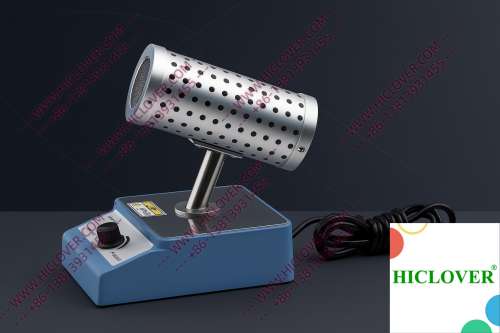
Infrared sterilization utilizes high-temperature infrared heat generated within an enclosed ceramic tube, effectively annihilating microbes on inoculating loops and other tools. This enclosed design not only enhances safety by containing any potential aerosolized contaminants but also facilitates quick, efficient sterilization processes. The high temperatures achieved by infrared sterilizers lead to optimal contamination control, enabling laboratories to maintain stringent biosafety practices while drastically reducing downtime.
Practical Applications in Real Laboratories
1. Biosafety Cabinets
In BSL-2 and BSL-3 microbiology labs, maintaining a sterile environment is crucial for preventing pathogen contamination. The Micro Incinerator excels in this setting as it operates silently and without flames, making it a clean-bench-safe choice for sterilizing inoculating loops. Its rapid thermal sterilization features reduce the risk of cross-contamination, meeting the demands of high-throughput laboratories.
2. Teaching Laboratories
In university teaching labs, educators frequently demonstrate sterilization techniques to aspiring scientists. The Micro Incinerator’s user-friendly design allows students to grasp the principles of sterilization effectively. Moreover, its portable nature supports outdoor experiments where traditional flame sterilizers may not be practical. Teaching labs across cities like San Francisco and Boston have embraced this innovative technology, aligning educational practices with modern safety standards.
Compliance and Environmental Considerations
Adhering to established biosafety protocols is essential for any laboratory. The World Health Organization (WHO) guidelines emphasize the importance of effective sterilization in minimizing biological hazards. While traditional flame sterilizers, including alcohol lamps and Bunsen burners, can produce open flames that pose risks in clean environments, the Micro Incinerator meets safety standards without compromising sterilization efficacy. It aligns with laboratory sterilization standards while ensuring compliance, especially in clean rooms and environments where flame usage is strictly prohibited.
Comparative Advantages: Micro Incinerator vs. Flame Sterilizers
| Feature | Micro Incinerator | Flame Sterilizers |
|---|---|---|
| Heat Source | Infrared | Open flame |
| Safety | Low risk (no flame) | Higher risk of burns and fire |
| Contamination Control | Aerosol-free | Possible aerosol generation |
| Efficiency | Rapid thermal sterilization | Longer heat-up and cool-down time |
| Ease of Use | User-friendly | Skill-dependent |
Frequently Asked Questions
- What is a Micro Incinerator?
A Micro Incinerator, also known as an Infrared Inoculating Loop Sterilizer, is a device that uses high-temperature infrared heat to sterilize inoculating loops and other laboratory tools. - How does the Micro Incinerator improve laboratory safety?
By containing the heat source in a ceramic tube and eliminating open flames, the Micro Incinerator minimizes the risk of burns, fires, and aerosol contamination. - Can the Micro Incinerator be used in field testing?
Yes, its portable design makes it ideal for mobile or field testing labs, allowing for effective sterilization even in outdoor environments. - Is the Micro Incinerator compliant with WHO biosafety standards?
Yes, it meets laboratory sterilization standards, ensuring safety in biosafety cabinets and clean rooms. - What advantages does it offer over traditional flame sterilizers?
The Micro Incinerator offers quick sterilization times, improved safety, and reduced contamination risk when compared to flame sterilizers.
In conclusion, the transition from traditional flame sterilizers to advanced devices like the Micro Incinerator represents a significant leap forward in laboratory sterilization technology. As laboratories in cities across the globe strive for improved safety and efficiency, investing in an Infrared Inoculating Loop Sterilizer seems imperative. If you’re ready to enhance your sterilization processes and meet demanding biosafety standards, contact us now to explore how the Micro Incinerator can transform your laboratory operations.
Categories:
Tags: