
In modern laboratories, whether operating within a sterile hospital environment or an academic setting, the need for effective sterilization methods remains a pressing challenge. The risk of contamination can lead to devastating consequences, making rapid thermal sterilization a crucial aspect of laboratory biosafety protocols. As labs strive for contamination control, odorless sterilization devices like the Micro Incinerator, also known as the Infrared Inoculating Loop Sterilizer, offer an ingenious solution to streamline workflows while ensuring compliance with biosafety standards.
Technical Principles of Infrared Inoculating Loop Sterilizers
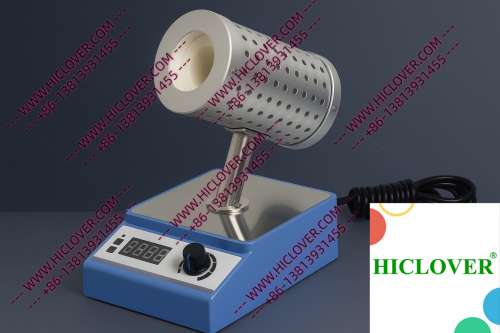
The Micro Incinerator employs the principles of infrared heating, utilizing an enclosed ceramic tube to generate high temperatures for disinfection. Unlike traditional flame sterilizers such as alcohol lamps and Bunsen burners, this device provides a clean and reliable source of heat, allowing laboratory personnel to achieve rapid sterilization without the hazards associated with open flames.
This technology operates by directing infrared radiation into the ceramic tube, creating an efficient thermal environment that can rapidly elevate the temperature to levels sufficient for sterilization. With temperatures reaching up to 900°C, the Infrared Inoculating Loop Sterilizer can sterilize inoculating loops, needles, and other metal tools in just seconds. This innovative approach to sterilization makes it an essential tool in a variety of laboratory applications.
Applications in Real Labs
Biosafety Cabinets and Clinical Diagnostics
One of the primary applications of the Micro Incinerator is within BSL-2 and BSL-3 microbiology labs where the handling of pathogens is routine. Inside a biological safety cabinet, laboratory personnel can safely sterilize tools in a controlled environment while minimizing the risk of aerosol generation. The ductless design means there are no open flames to worry about, making it suitable for integration into various biological safety cabinets.
Teaching Labs and Field Testing
In university teaching labs, the Micro Incinerator serves as a vital resource for practical training sessions. Students can practice their aseptic techniques with confidence, knowing that they have access to a rapid and effective means of sterilization. Additionally, in field testing situations, such as environmental sampling or clinical diagnostics in remote locations, the portability and odorless operation of the Micro Incinerator make it an asset for public health workers and researchers alike.
Compliance with Biosafety Standards
Laboratories are bound by stringent biosafety regulations, including those set forth by the World Health Organization (WHO). Compliance ensures not only the safety of laboratory personnel but also the integrity of research outcomes. The Micro Incinerator aligns with these vital standards by eliminating flame risks associated with traditional sterilization methods.
Furthermore, in cleanrooms where contamination control is paramount, the absence of an open flame is vital. The Micro Incinerator meets the requirements for operational safety in environments such as CO₂ incubators or anaerobic chambers, helping researchers maintain optimal conditions for sensitive experiments.
Comparison of Sterilization Devices
| Feature | Micro Incinerator | Flame Sterilizers |
|---|---|---|
| Temperature Range | Up to 900°C | Variable (up to 1200°C) |
| Odor Emission | No | Yes |
| Flame Risk | None | High |
| Operational Safety | Clean-bench-safe | Not recommended for cleanrooms |
| Speed of Sterilization | Seconds | Varies |
Frequently Asked Questions
- What is the best way to maintain a Micro Incinerator? – Regular cleaning and ensuring that the ceramic tube is intact will ensure long-lasting performance.
- Can the Micro Incinerator be used in a BSL-3 lab? – Yes, it is safe and effective for use in BSL-3 labs provided proper protocols are followed.
- How does it compare cost-wise to flame sterilizers? – While the initial investment may be higher, the long-term savings on consumables and safety measures can offer better value.
- Is the Micro Incinerator portable for field use? – Absolutely! Its compact design makes it ideal for mobile testing in various environments.
- What types of materials can be sterilized? – It is effective for metal inoculating loops, needles, and other laboratory instruments that can withstand high temperatures.
Conclusion
The Micro Incinerator / Infrared Inoculating Loop Sterilizer represents a monumental advancement in laboratory sterilization technology. Its versatility, coupled with rapid thermal sterilization and adherence to strict biosafety standards, makes it an invaluable asset in both hospital and academic settings. To enhance your laboratory’s sterilization processes and meet compliance standards, consider investing in the Micro Incinerator today. For further inquiries or to request a quote, contact us now.
Categories:
Tags: