
In today’s bioscience landscape, laboratories confront numerous biosafety challenges that demand efficient and reliable sterilization workflows. Traditional methods, such as alcohol lamps and Bunsen burners, have long been the go-to solutions for inoculating loop sterilization. However, with the increasing emphasis on contamination control and the need for rapid thermal sterilization, innovative alternatives like the Micro Incinerator / Infrared Inoculating Loop Sterilizer have emerged as game-changers in research environments.
Understanding the Technical Principles Behind Infrared Sterilization
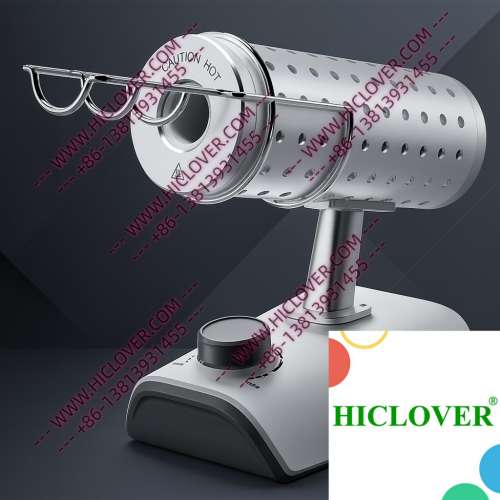
The Micro Incinerator utilizes advanced infrared heating technology, which allows for a targeted and controlled sterilization process. As opposed to open flames, this system employs an enclosed ceramic heating chamber that reaches temperatures of up to 950°C, ensuring effective disinfection without the risk of aerosolization or burning biological samples. The rapid heating feature permits quick sterilization cycles, greatly enhancing laboratory workflow efficiency.
- Infrared Heat: Direct heating that provides uniform temperature distribution.
- Ceramic Tube: An efficient material that withstands high temperatures and reduces energy loss.
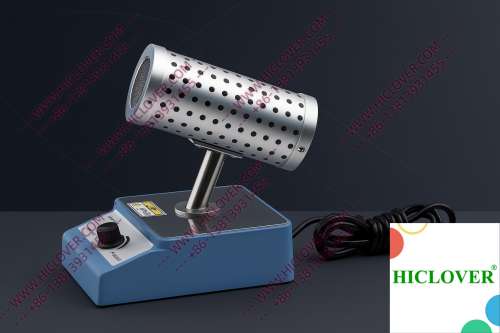
- Design: Compact and portable, ideal for all laboratory environments, including BSL-2 and BSL-3 labs.
Practical Applications in Real Laboratories
1. Biosafety Cabinet Utilization
In modern microbiology labs, the Micro Incinerator serves as a critical component within biosafety cabinets. Operators can safely sterilize inoculating loops and spreaders without the risk of exposure to open flames, minimizing the chance of air contaminants affecting the samples. This setup ensures that labs can maintain stringent hygiene standards while promoting a user-friendly environment for technicians.
2. Field Testing Protocols
Mobile laboratories, often deployed in remote areas for field testing, require efficient sterilization tools that can operate without external power sources. The Infrared Inoculating Loop Sterilizer is ideal for this scenario due to its lightweight design and portability. Researchers can rely on stable high-temperature disinfection even in challenging environments, making it a vital piece of equipment for clinical diagnostics in the field.
Compliance with Biosafety Regulations
Adherence to global biosafety standards is essential for laboratories handling pathogenic organisms. The World Health Organization (WHO) and various national regulatory bodies emphasize the importance of effective sterilization equipment to mitigate risks. Traditional flame sterilizers pose potential hazards in clean rooms due to flammable materials and combustion byproducts. The Micro Incinerator aligns with these safety protocols, offering a compliant solution that ensures both operator safety and high performance.
Key Compliance Features:
- Meets WHO biosafety guidelines.
- Designed for use in sterile environments without flame risks.
- Complies with ISO lab sterilization standards.
Comparing Micro Incinerators and Traditional Flame Sterilizers
| Feature | Micro Incinerator | Flame Sterilizer |
|---|---|---|
| Temperature Range | Up to 950°C | Approx. 500-1,000°C (varies) |
| Aerosol Control | Minimal | High risk |
| Ease of Use | Simple, no flames | Requires flame management |
| Portability | Highly portable | Less portable |
FAQs about Micro Incinerators
1. How does an infrared inoculating loop sterilizer work?
The sterilizer employs infrared heat to quickly reach high temperatures necessary for effective sterilization of microbiological tools, preventing contamination without producing aerosols.
2. What are the advantages over traditional methods?
Micro Incinerators offer safer, more controlled sterilization, reduced risk of contamination, and improved workflow efficiency compared to alcohol lamps and Bunsen burners.
3. Can it be used in field laboratories?
Yes, its compact design and high-temperature efficiency make it ideal for mobile laboratory setups requiring rapid sterilization capabilities.
4. What compliance standards do these sterilizers meet?
They comply with regulations set by WHO and local laboratory safety standards, making them suitable for various scientific and clinical settings.
5. Are there maintenance requirements for the Micro Incinerator?
Regular cleaning of the ceramic heating chamber is recommended, but generally, they require less maintenance compared to traditional flame systems.
Conclusion
The evolution from traditional flame sterilizers to advanced solutions like the 950°C Micro Incinerator / Infrared Inoculating Loop Sterilizer marks a significant leap in laboratory biosafety and efficiency. By enhancing contamination control protocols and adhering to strict regulatory compliance, this equipment exemplifies the future of sterilization in diverse laboratory environments, including BSL-2 and BSL-3 settings, university teaching labs, and field testing applications. For further information or to explore purchasing options, feel free to reach out to us today!
Categories:
Tags: