
In the high-stakes environment of laboratory work, ensuring contamination control is vital. Traditional sterilization methods, like flame sterilizers, while effective, often present challenges concerning safety, efficiency, and environmental impact. The rise of Micro Incinerators and Infrared Inoculating Loop Sterilizers offers practical solutions that meet modern laboratory sterilization needs.
Overcoming Laboratory Biosafety Challenges
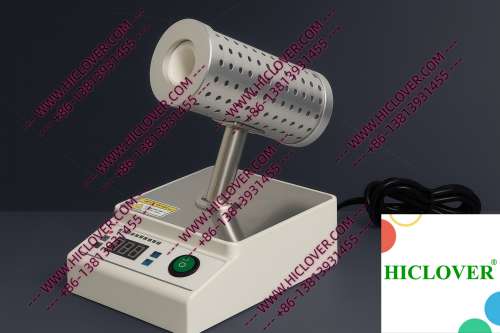
In BSL-2 and BSL-3 microbiology labs, the use of flame sterilizers such as Bunsen burners or alcohol lamps can generate aerosols or residual contaminants, compromising the sterility of your workspace. Moreover, the open flame poses a significant fire hazard, especially in cleanroom environments where flammable materials are present.
As laboratories strive for enhanced biosafety, the demand for advanced sterilization technologies becomes apparent. The adoption of Micro Incinerators allows for rapid thermal sterilization in a compact and portable unit, facilitating safe operations without risking contamination or flame hazards.
Technical Principles of the Micro Incinerator
The Micro Incinerator operates on the principle of infrared heat, utilizing a ceramic heating chamber enclosed in a robust structure. Unlike traditional flame sterilizers, the Micro Incinerator harnesses high-temperature infrared radiation to achieve sterilization. This enclosed design not only increases efficiency but also ensures that the heat remains contained, preventing risks associated with open flames.
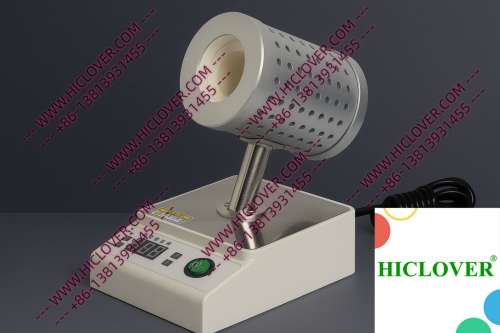
Typically, the Micro Incinerator reaches temperatures of up to 800°C in mere seconds, effectively killing all microorganisms present on inoculating loops or instruments. This rapid thermal sterilization process is complemented by an aerosol-free handling procedure, which is particularly vital in delicate operations, such as within biosafety cabinets.
Applications of Micro Incinerators in Real Labs
Scenario 1: University Teaching Labs
In university microbiology courses, the Micro Incinerator serves as an excellent educational tool. Instructors emphasize the importance of sterilization while demonstrating how to utilize the device effectively. Students learn hands-on, with the Micro Incinerator providing immediate and reliable results, ensuring they can confidently manage contamination control techniques in their future careers.
Scenario 2: Field Testing Labs
In mobile or field testing labs, the portability and efficiency of the Micro Incinerator are invaluable. Technicians can sterilize equipment on-site, ensuring that samples collected during environmental assessments or clinical diagnostics are not contaminated. This feature is especially critical in areas lacking stable laboratory facilities, where reliable sterilization methods can significantly influence research outcomes.
Compliance and Environmental Considerations
Regulatory bodies, including the World Health Organization (WHO), have outlined protocols for laboratory safety, particularly concerning sterilization standards. For labs operating under strict compliance requirements, such as those handling infectious materials at BSL-2 or BSL-3 levels, the use of flame sterilizers often contradicts cleanroom protocols where no open flames are allowed. In contrast, Micro Incinerators fulfill these biosafety standards while delivering a cleaner, safer alternative for sterilization.
Advantages Over Traditional Flame Sterilizers
- Safer Operations: No open flame eliminates fire hazards.
- Aerosol-Free Handling: Minimizes contamination risk during the sterilization process.
- Rapid Thermal Sterilization: Achieves effective sterilization in seconds.
- Compact Design: Portable and easy to integrate into existing workflows.
Comparison Table: Micro Incinerator vs. Flame Burners
| Feature | Micro Incinerator | Flame Burners |
|---|---|---|
| Sterilization Time | Seconds | Minutes |
| Aerosol Production | No | Yes |
| Temperature Control | High precision | Variable |
| Safety | High | Low |
Frequently Asked Questions
What is a Micro Incinerator?
A Micro Incinerator is a compact, infrared sterilization device designed for rapid thermal sterilization of inoculating loops and instruments without open flames, ensuring enhanced biosafety in laboratory settings.
Can a Micro Incinerator replace traditional flame sterilizers in my lab?
Yes, Micro Incinerators are effective alternatives to traditional flame sterilizers, offering safer, faster, and more efficient sterilization methods that meet modern laboratory standards.
Is the Micro Incinerator suitable for use in cleanrooms?
Absolutely! Because it uses enclosed infrared technology, Micro Incinerators are clean-bench-safe and do not produce aerosols, making them ideal for cleanroom environments.
How does a Micro Incinerator achieve high-temperature disinfection?
The device utilizes a ceramic heating chamber that generates high temperatures almost instantly, allowing for effective sterilization that eliminates bacteria and other microorganisms on contact.
What are the safety features of the Micro Incinerator?
Some key safety features include the absence of an open flame, reduced aerosol generation, and automatic temperature control, ensuring that the sterilization process is both effective and safe for laboratory personnel.
Conclusion
Modern laboratories cannot afford to compromise on safety, efficiency, and compliance. Transitioning from traditional flame sterilizers to the advanced Micro Incinerator / Infrared Inoculating Loop Sterilizer not only enhances your sterilization workflow but also aligns with the best practices in laboratory biosafety. Contact us today for more information or to purchase, and embrace the future of sterilization in your laboratory.
Categories:
Tags: