
In the diverse landscape of Nepal, biosafety in clinical and research environments poses significant challenges ranging from accessibility to advanced sterilization equipment. Many laboratories, especially those in remote areas, require effective sterilization solutions to meet their operational demands. This need has led to the growing adoption of advanced sterilization equipment such as the Micro Incinerator, also known as the Infrared Inoculating Loop Sterilizer, which has become critical for maintaining sterile environments in various laboratory settings.
Practical Laboratory Biosafety Challenges
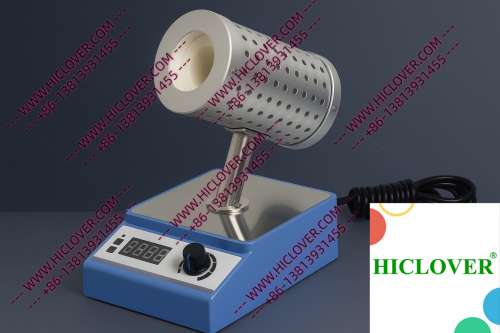
Contamination control is paramount in laboratories operating at different biosafety levels, be it BSL-2 or BSL-3 microbiology labs, where the handling of infectious materials demands a robust sterilization strategy. Traditional flame sterilizers, such as alcohol lamps and Bunsen burners, present various issues including inconsistent sterilization temperatures, potential flame hazards, and the release of aerosols that can compromise clean bench environments.
Technical Principles of the Micro Incinerator
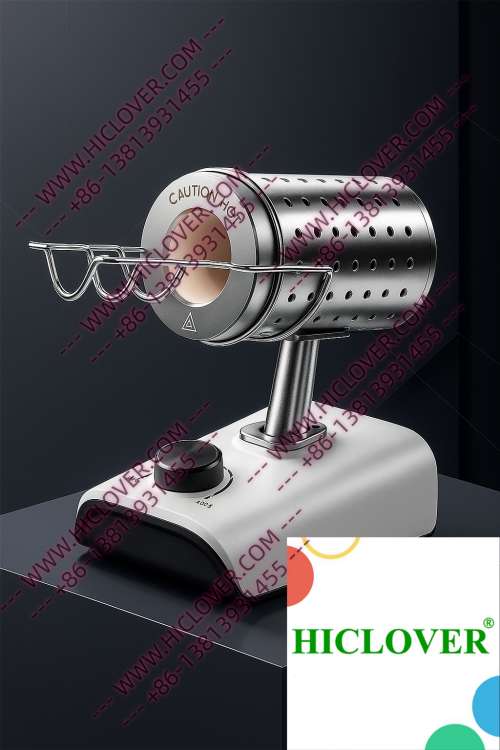
The Micro Incinerator functions through the principles of rapid thermal sterilization, utilizing infrared heat generated within an enclosed ceramic heating chamber. This design allows for high-temperature disinfection without the open flame risks associated with traditional sterilizers. The infrared heating element ensures that the inoculating loop reaches the temperature necessary for sterilization quickly and efficiently.
The compact size of the Micro Incinerator makes it suitable for diverse laboratory configurations, from biosafety cabinets to mobile field testing laboratories. Furthermore, the absence of open flames makes it ideal for use in CO₂ incubators or anaerobic chambers where sterile conditions are vital.
Advantages Over Traditional Flame Sterilizers
Comparing the Micro Incinerator to traditional flame sterilizers reveals significant advantages:
| Feature | Micro Incinerator | Flame Burners |
|---|---|---|
| Temperature Control | Stable, rapid thermal sterilization | Variable, dependent on user manipulation |
| Safety | No open flame; aerosol-free handling | Open flame; risk of burns and contamination |
| Efficiency | Immediate usability, energy-efficient | Requires time to ignite and reach temperature |
Application Scenarios in Real Labs
- Biosafety Cabinets: In settings where researchers handle pathogen cultures, the Micro Incinerator provides a safe and efficient method for sterilizing loops and needles quickly. Its flame-free operation protects against airborne pathogens and aerosols, essential in maintaining a sterile workspace.
- Field Testing: In the remote clinics of Nepal, where access to traditional lab infrastructure is limited, the portability of the Micro Incinerator enables healthcare workers to conduct tests safely. They can sterilize instruments in the field, ensuring that diagnoses are accurate and free from contamination.
Compliance and Environmental Considerations
Compliance with global biosafety standards, including those set forth by the World Health Organization (WHO), is crucial for laboratories operating in Nepal. The Micro Incinerator not only meets these stringent requirements but enhances laboratory workflow by eliminating the need for flame-based procedures that can introduce contamination risks in clean rooms.
Utilizing no flame technology in sterilization processes is vital in environments with strict air quality controls. Furthermore, the reduction of aerosols during sterilization with the Micro Incinerator contributes to a cleaner and safer laboratory setting, aligning with WHO’s safety protocols.
FAQs
1. What is the advantage of using a Micro Incinerator over a Bunsen burner?
The Micro Incinerator offers a safer, flame-free sterilization method that ensures consistent sterilization temperatures and minimizes contamination risks by eliminating aerosols.
2. Can the Micro Incinerator be used in field testing applications?
Yes, its compact design allows for portability, making it ideal for sterilizing instruments in remote clinical settings.
3. How does the Micro Incinerator comply with WHO biosafety standards?
The Micro Incinerator meets stringent WHO guidelines by providing a reliable sterilization process without open flames, enhancing air quality control in laboratory environments.
4. What types of laboratories can benefit from using a Micro Incinerator?
Micro Incinerators are beneficial in BSL-2 and BSL-3 microbiology labs, university teaching labs, and mobile field testing labs.
5. How quickly can I achieve sterilization with a Micro Incinerator?
The Micro Incinerator achieves high temperatures quickly, allowing for immediate usability and rapid sterilization of inoculating instruments.
Conclusion
As Nepal continues its journey towards healthcare accessibility and laboratory excellence, the Micro Incinerator stands out as an essential tool in ensuring biosafety and effective sterilization practices. Whether in bustling urban labs or remote clinical setups, the transition from traditional flame sterilizers to advanced infrared-based solutions represents a significant step forward in laboratory safety and efficiency. For those looking to upgrade their sterilization equipment, we invite you to explore the benefits and enhance your laboratory’s capabilities.
Categories:
Tags: