
In today’s rapidly evolving laboratory environments, challenges associated with biosafety and sterilization workflows are more critical than ever. Laboratories are under constant pressure to ensure contaminant-free workspaces. With the stakes high in fields like clinical diagnostics, microbiology, and teaching labs, the demand for effective, safe, and environmentally friendly sterilization solutions is paramount. Enter the Micro Incinerator or Infrared Inoculating Loop Sterilizer, a novel device revolutionizing laboratory sterilization in Canada.
Understanding Micro Incinerators: The Technical Principles
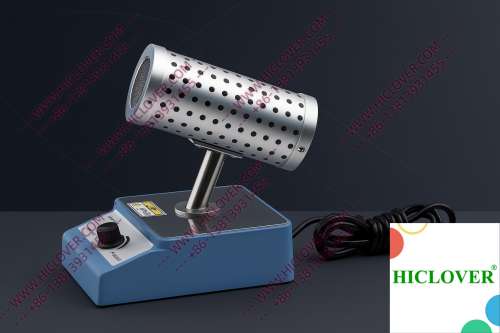
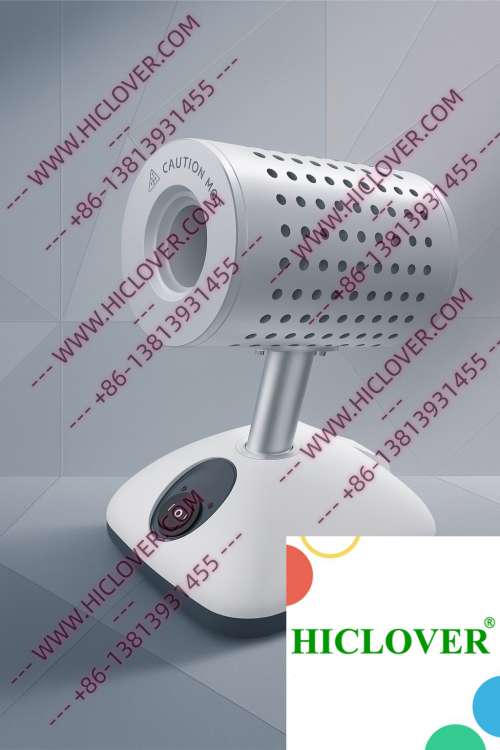
Micro Incinerators operate on the principle of rapid thermal sterilization through infrared heat. These devices utilize a ceramic heating chamber that reaches high temperatures to ensure thorough disinfection without the risks associated with traditional flame sterilizers like alcohol lamps and Bunsen burners. The enclosed structure provides enhanced safety by preventing open flames, making them ideal for sensitive environments such as biosafety cabinets and clean rooms.
- Rapid Thermal Sterilization: Effectively sterilizes inoculating loops, needles, and other instruments within seconds.
- Aerosol-Free Handling: Reduces the risk of aerosol contamination during sterilization processes.
- Compact Design: Requires minimal space, making it ideal for crowded laboratory settings.
- Ceramic Heating Chamber: Ensures even heat distribution and durability over prolonged use.
- Risk of ignition, particularly in flammable environments
- Generation of harmful aerosols
- Difficulty in achieving consistent results across various sterilization tasks
- What types of laboratories benefit from Micro Incinerators? Micro Incinerators are ideal for BSL-2 and BSL-3 labs, clinical diagnostics centers, and university teaching labs.
- How do Micro Incinerators compare to traditional flame sterilizers in terms of safety? Micro Incinerators remove the risks associated with open flames, making them significantly safer, particularly in cleanroom environments.
- Are Micro Incinerators compliant with WHO biosafety standards? Yes, these devices are designed to meet current biosafety compliance standards, enhancing laboratory safety and efficiency.
Application Scenarios in Real Laboratories
Micro Incinerators have found their way into various laboratory settings, proving to be an essential tool for maintaining biosafety and operational efficacy. Below are two prominent scenarios that showcase their versatility.
1. Biosafety Cabinets
In BSL-2 and BSL-3 microbiology labs, the maintenance of sterile conditions is non-negotiable. Here, the Micro Incinerator can be integrated seamlessly into biosafety cabinets. Researchers can quickly sterilize tools without compromising airflow or introducing contaminants into the workspace. The aerosol-free operation coupled with the high-temperature disinfection guarantees a safe environment for handling biohazardous materials.
2. Mobile or Field Testing Labs
For professionals conducting field testing, a portable sterilization solution is crucial. The compact nature of the Micro Incinerator allows researchers to sterilize their tools on-site without the need for electricity, as some models operate on batteries. This capability not only enhances field safety but also reduces analytical delays caused by contamination risks.
Compliance and Environmental Considerations
As health and environmental standards evolve, compliance with WHO biosafety measures and laboratory sterilization protocols becomes increasingly critical. Traditional flame sterilizers pose several challenges, including:
The Micro Incinerator supports full compliance with sterilization standards by eliminating open flames in clean rooms and minimizing the risk of contamination through effective aerosol control. The reduced environmental footprint and energy efficiency of these devices further align with modern sustainability goals, making them a reliable choice for organizations looking to maintain strict adherence to lab safety standards.
Advantages Over Traditional Flame Sterilizers
In the ever-growing landscape of laboratory sterilization options, Micro Incinerators stand out starkly against traditional flame sterilizers. The comparison highlights several benefits:
| Feature | Micro Incinerator | Flame Sterilizers |
|---|---|---|
| Safety | No open flame; ideal for clean rooms | High risk of fire hazard |
| Speed | Rapid sterilization, seconds | Variable, often slower |
| Aerosol Control | Minimized aerosol risk | High potential for aerosol generation |
| Portability | Compact and battery-operated options | Bulky and require power source |
Frequently Asked Questions
Conclusion
In conclusion, the innovation of Micro Incinerators is transforming laboratory sterilization processes across Canada by combining safety, efficiency, and compliance. By transitioning to these advanced sterilization solutions, laboratories can uphold rigorous biosafety standards while fostering a more sustainable practice. To explore how Micro Incinerators can enhance your laboratory’s efficiency and safety, we encourage you to reach out for more information or a direct quotation today!
Categories:
Tags: