
In the ever-evolving field of veterinary microbiology, laboratory biosafety challenges necessitate precise sterilization methods. With the increasing demand for effective laboratory sterilization equipment, the Micro Incinerator, specifically designed for efficient and rapid thermal sterilization, has grown pivotal in ensuring contamination control.
The Challenges of Laboratory Biosafety
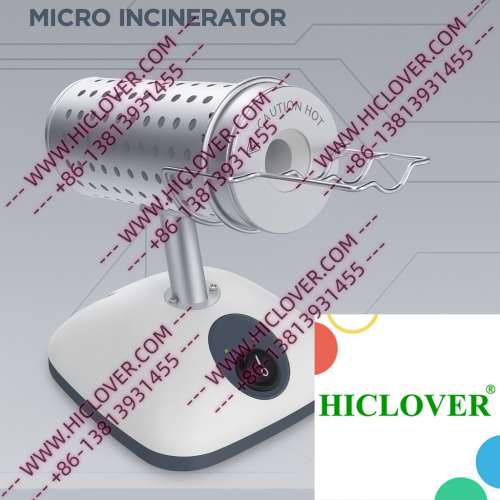
Veterinary microbiology labs face unique challenges, including the safe handling of infectious agents and contamination prevention during microbiological procedures. Traditional sterilization methods, such as alcohol lamps and Bunsen burners, pose risks, including uncontrolled open flames, which can lead to potential hazards in a confined laboratory environment. To maintain a clean and safe operational space, laboratories are increasingly turning to advanced sterilization solutions.
Understanding the Micro Incinerator
The Micro Incinerator, or Infrared Inoculating Loop Sterilizer, operates through a simple yet effective principle: infrared heat generated within an enclosed ceramic tube. This configuration allows for a rapid and high-temperature disinfection process that ensures complete sterilization of inoculating loops and other equipment. Unlike flame-based sterilizers, the Micro Incinerator provides a clean, aerosol-free handling environment, ideal for sensitive operations.
Technical Features of the Micro Incinerator
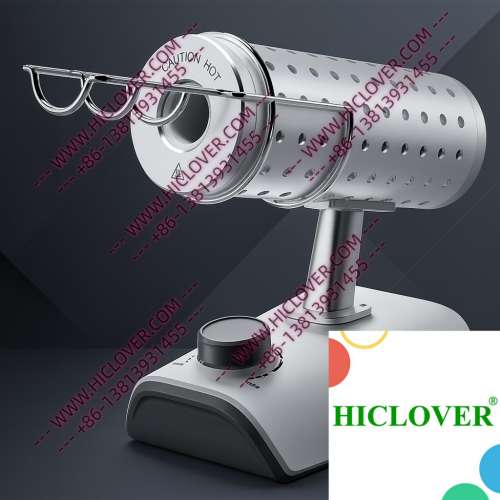
The Micro Incinerator is equipped with:
- Infrared ceramic heating element: Provides a consistent and high temperature for effective sterilization.
- Fast heating time: Typically reaches sterilization temperature in under a minute.
- Compact design: Ideal for small laboratory spaces and mobile applications.
- Variable temperature control: Allows customization according to specific workflow requirements.
Application Scenarios in Veterinary Laboratories
1. BSL-2 / BSL-3 Microbiology Labs
In BSL-2 and BSL-3 microbiology labs, where the handling of pathogenic organisms is routine, the Micro Incinerator provides a safe method for the sterilization of inoculating loops. Its enclosed structure ensures that there are no aerosols released during sterilization, minimizing risks associated with airborne pathogens.
2. Teaching Labs
University teaching laboratories utilize the Micro Incinerator for educational purposes with hands-on training. Students can practice microbiological techniques in a controlled environment, learning not just the methods but also the importance of maintaining biosafety and contamination control.
Compliance with Laboratory Standards
Compliance with international biosafety standards is critical in veterinary microbiology. The World Health Organization (WHO) emphasizes the importance of maintaining a safe laboratory environment. Utilizing modern sterilization equipment, such as the Micro Incinerator, adheres to lab sterilization standards while eliminating the risks associated with flame sterilizers.
For example, in clean room environments, the absence of open flames is mandatory, making the Micro Incinerator an ideal choice. It ensures compliance with stringent safety regulations without sacrificing operational efficiency.
Advantages Over Traditional Flame Sterilizers
When compared to flame-based sterilizers, the Micro Incinerator presents several advantages:
| Feature | Micro Incinerator | Flame Sterilizers (Alcohol Lamps/Bunsen Burners) |
|---|---|---|
| Heating Method | Infrared heating | Open flame |
| Safety | Reduced risk of fire hazards | Potential ignition of flammable materials |
| Contamination Control | Aerosol-free handling | Potential aerosol production |
| Setup Time | Immediate | Requires preparation |
Regional Insights
In countries like Germany and Japan, strict regulations govern laboratory practices, particularly concerning the handling of potentially infectious materials. Implementing sterilization technologies like the Micro Incinerator supports these compliance needs while promoting a culture of safety within research and educational institutions.
Frequently Asked Questions (FAQs)
What is the maximum temperature the Micro Incinerator can reach?
The Micro Incinerator can reach temperatures exceeding 800°C, ensuring thorough sterilization of inoculating loops and tools.
How does the Micro Incinerator enhance laboratory safety?
By eliminating open flames, the Micro Incinerator reduces potential fire hazards while minimizing the risk of aerosol contamination, making it safer for use in laboratory settings.
Can the Micro Incinerator be used in field-testing labs?
Yes, due to its compact design and rapid heating capabilities, it is an excellent sterilization tool for mobile and field-testing laboratories.
What makes the Micro Incinerator eco-friendlier compared to flame sterilizers?
The Micro Incinerator’s design minimizes the use of volatile substances, reducing the generation of hazardous waste typically associated with flame sterilization methods.
Is the Micro Incinerator suitable for university teaching labs?
Absolutely! The Micro Incinerator is ideal for teaching labs as it provides a safe and effective way for students to learn proper laboratory techniques.
Conclusion
As the landscape of veterinary microbiology continues to evolve, the importance of reliable laboratory sterilization equipment cannot be overstated. The Micro Incinerator / Infrared Inoculating Loop Sterilizer is at the forefront of this movement, providing efficient, safe, and compliant solutions. If you are interested in enhancing your laboratory’s sterilization process or have further inquiries, do not hesitate to reach out for more information.
Categories:
Tags: