
As laboratories continue to evolve with an increasing focus on biosafety and efficient workflows, the challenge of maintaining optimal sterilization standards remains a constant priority. Traditional flame sterilization methods, such as alcohol lamps and Bunsen burners, can present a variety of issues, including aerosol contamination and the potential hazards of open flames. The introduction of advanced sterilization equipment, particularly the Micro Incinerator / Infrared Inoculating Loop Sterilizer, offers significant advantages for various laboratory settings.
Technical Principles Behind Infrared Loop Sterilizers
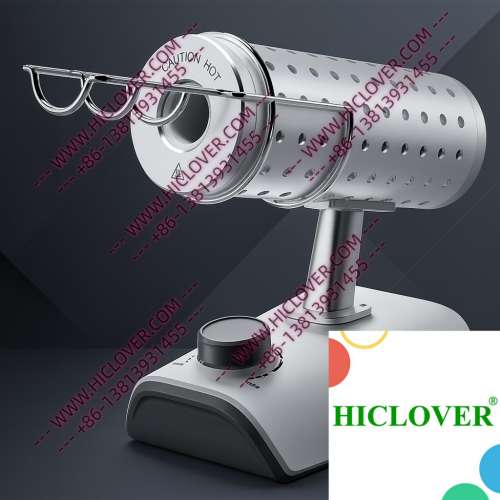
The Micro Incinerator employs rapid thermal sterilization by utilizing infrared heat, which is generated within an enclosed ceramic heating chamber. This innovative system allows for quick and efficient sterilization of inoculating loops and other small laboratory instruments without the hazards associated with flame-based methods. The temperature within the sterilizer can reach a point sufficient for high-temperature disinfection, while its design minimizes the risk of aerosols escaping into the laboratory environment.
Additionally, the compact size and portability of the device make it an ideal choice for applications in diverse laboratory environments, where space and efficiency are critical.
Compliance and Environmental Considerations
Adhering to strict laboratory standards is essential. The World Health Organization (WHO) outlines numerous biosafety requirements that laboratories must comply with, particularly in BSL-2 and BSL-3 environments. These standards advocate for effective sterilization practices that mitigate contamination risks. With the growing demand for flame-free sterilization in clean areas, the Micro Incinerator fits perfectly into modern laboratory workflows.
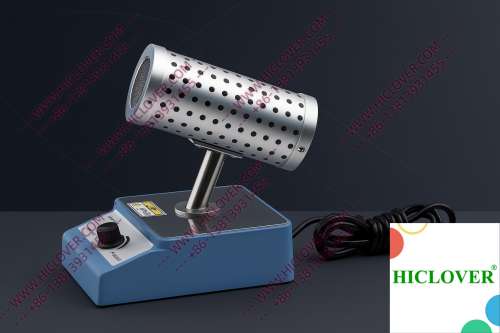
- No open flames reduce risks in clean rooms and biosafety cabinets.
- Supports compliance with standards such as ISO 15190, which emphasizes worker and environmental safety.
- Minimizes operational hazards associated with traditional burners.
Practical Applications in Real Laboratories
1. Biosafety Cabinets
In BSL-2 and BSL-3 microbiology labs, maintaining aseptic conditions is paramount. The Micro Incinerator can be safely used within biosafety cabinets, allowing researchers to sterilize tools efficiently while keeping contamination levels at a minimum. The time-saving features of infrared sterilization help labs to maintain productivity while ensuring adherence to high safety protocols.
2. Field Testing and Mobile Labs
In mobile or field testing settings, the portability of the Micro Incinerator becomes a significant asset. Researchers can carry the device to various field locations, effectively sterilizing their equipment without the need for bulky, traditional flame-based devices. This capability enhances operational efficiency in clinical diagnostics and environmental sampling efforts – particularly in regions where access to proper sterilization facilities may be limited.
Comparison of Sterilization Methods
| Feature | Micro Incinerator | Flame Sterilizers |
|---|---|---|
| Temperature Control | Precise infrared heating | Variable and uncontrolled flames |
| Aerosol Production | No aerosols produced | Potential for aerosol generation |
| Portability | Highly portable | Often bulky and cumbersome |
| Application Versatility | Suitable for varied labs | Restricted to specific lab environments |
Frequently Asked Questions
What is the operating temperature of the Micro Incinerator?
The Micro Incinerator typically operates at temperatures exceeding 800°C, ensuring effective sterilization of instruments.
How long does it take to sterilize an inoculating loop?
Sterilization times are typically under 10 seconds, allowing for quick turnover between samples in high-throughput laboratories.
Can the Micro Incinerator be used in teaching labs?
Yes, its safety features and efficiency make it suitable for use in university teaching labs, where students can learn proper sterilization techniques without risks associated with flames.
Is the Micro Incinerator compliant with WHO biosafety standards?
Yes, it meets various lab sterilization guidelines, including WHO recommendations for maintaining biosafety in laboratory settings.
Does this sterilizer produce fumes?
No, unlike traditional flame sterilizers, the Micro Incinerator operates without producing harmful fumes, making it clean-bench-safe.
The Future of Laboratory Sterilization
The demand for advanced sterilization technology is on the rise, as laboratories recognize the significant advantages of integrating devices like the Micro Incinerator into their workflows. Its ability to streamline processes while ensuring compliance with biosafety regulations is invaluable for lab directors striving for operational excellence. Whether it’s in clinical diagnostics, education, or fieldwork, the transition from traditional flame sterilization to infrared technologies represents a critical advancement in the fight against contamination.
For laboratories keen on enhancing their sterilization processes, investing in the Micro Incinerator can lead to improved efficiency, safety, and compliance. Contact us for a consultation about how this innovative technology can optimize your lab’s operations.
Categories:
Tags: