
In microbiology laboratories, the necessity for stringent biosafety protocols is paramount. Equipment used in these environments must not only efficiently sterilize tools to avoid contamination but also comply with strict health regulations. The advent of portable inoculation loop burners, particularly the Micro Incinerator or Infrared Inoculating Loop Sterilizer, is transforming sterilization workflows, offering rapid thermal sterilization without the risks associated with traditional flame-based methods.
Understanding Portable Inoculation Loop Burners
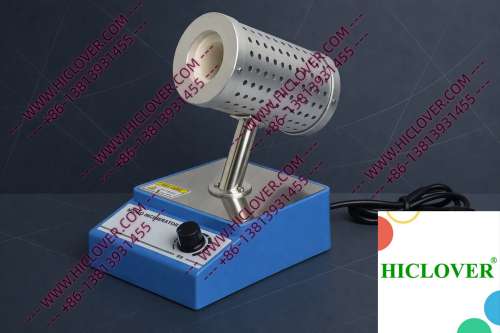
The Micro Incinerator operates on a unique principle utilizing infrared heat to achieve high-temperature disinfection. Its enclosed ceramic tube provides a clean, compact solution that minimizes the risk of aerosol particles, which can jeopardize the integrity of sterile environments. The infrared heating mechanism enables rapid heating to temperatures often exceeding 800°C within seconds, ensuring effective sterilization of inoculating loops, needles, and other microbiological instruments.
Advantages Over Traditional Methods
In comparison to traditional flame sterilizers such as alcohol lamps and Bunsen burners, the Micro Incinerator offers numerous advantages:
- Enhanced safety: No open flames reduce the risk of fire hazards.
- Portable design: Lightweight and easy to operate in diverse environments.
- Consistent performance: Uniform heating prevents cold spots that may lead to inadequate sterilization.
- Environmentally friendly: Low emissions and no toxic fumes associated with traditional fuels.
- Reduced contamination risk: Operates cleanly without the introduction of particulates or aerosols.
- Adherence to WHO’s biosafety guidelines for laboratory practices.
- Meeting national and international sterilization standards.
- No open flames allow for safer operation in clean rooms and other controlled environments.
Applications in Real Labs
Portable inoculation loop burners are being effectively utilized in various laboratory settings:
1. University Teaching Labs
In academic settings, the Micro Incinerator is increasingly favored for its ease of use and safety features. Students engage in microbiological techniques under controlled conditions, using the burner for inoculating scripts and media preparation. Lab instructors appreciate the reduced risk of accidents, allowing for a focus on learning without the fear of flame-related hazards.
2. BSL-2 and BSL-3 Microbiology Labs
Biosafety Level (BSL) labs must adhere to rigorous compliance standards to protect personnel and the community. The use of flame sterilizers is often restricted due to the potential for fire and contamination. In these environments, the Micro Incinerator emerges as a preferred tool, enabling efficient sterilization without exposing sensitive biological materials to flame. The device’s compact design also fits seamlessly within biosafety cabinets, allowing for safe procedure execution.
Compliance and Environmental Considerations
The World Health Organization (WHO) and various local regulatory entities enforce strict biosafety standards that laboratories must follow. Utilizing equipment such as the Micro Incinerator aligns with these protocols by minimizing contamination risks associated with aerosol generation and providing consistent sterilization outcomes. Specific compliance benefits include:
Comparison of Sterilization Methods
| Feature | Micro Incinerator | Flame Sterilizers |
|---|---|---|
| Heat Source | Infrared | Open Flame |
| Safety | High | Moderate |
| Portability | Excellent | Poor |
| Contamination Control | Minimal Risk | Higher Risk |
| Heating Speed | Rapid | Variable |
Frequently Asked Questions
1. What is the main advantage of using a Micro Incinerator in a laboratory?
The primary advantage is its ability to sterilize tools rapidly with no open flames, reducing contamination risks and enhancing safety protocols.
2. Can the Micro Incinerator be used in BSL-3 labs?
Yes, it is highly suitable for BSL-3 labs as it complies with the safety and sterilization protocols required in such controlled environments.
3. How does the infrared sterilization process work?
The process involves heating the inoculation loops via infrared radiation, ensuring that they reach high temperatures for effective sterilization.
4. Is the Micro Incinerator easy to transport?
Absolutely! Its lightweight and portable design make it easy to use in various lab settings, including field tests and roadside diagnostics.
5. What safety standards does the Micro Incinerator comply with?
It complies with WHO biosafety guidelines and other relevant laboratory safety standards, making it suitable for various biosafety levels.
Conclusion
As the demand for safe, efficient sterilization solutions grows, portable inoculation loop burners like the Micro Incinerator are redefining laboratory workflows. Laboratory supply distributors, University institutions, hospitals, and research centers are encouraged to embrace this innovative solution to enhance biosafety and streamline sterilization processes. For more information on our products or to make a purchase, please contact us today!
Categories:
Tags: