
In the evolving landscape of bioscience, the challenges in laboratory biosafety require continuous innovations in sterilization techniques. The meticulous nature of biological work often demands rigorous sterilization standards to ensure contamination control and the integrity of scientific results. Enter the Micro Incinerator, also known as the Infrared Inoculating Loop Sterilizer—a device designed to meet these rigorous demands, bridging the gap between the sterile lab environment and field application.
The Science Behind Micro Incinerators
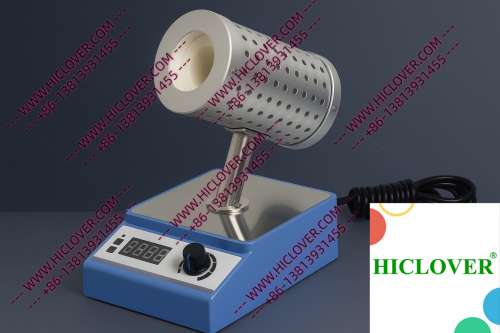
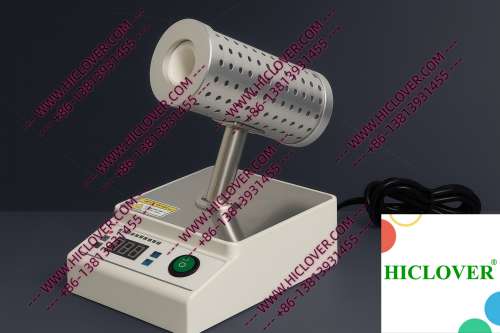
The Micro Incinerator operates on the principle of rapid thermal sterilization through infrared heat. This compact device utilizes an enclosed ceramic tube that efficiently generates high temperatures capable of instantly sterilizing inoculating loops and other small lab tools. Unlike traditional flame sterilizers, such as alcohol lamps and Bunsen burners, the Micro Incinerator offers a clean, aerosol-free handling process, crucial for maintaining sterile workspaces.
Advantages Over Traditional Flame Sterilizers
- Safety: No flames mean reduced risk of fire hazards, especially in clean rooms and BSL-2/BSL-3 microbiology labs.
- Consistency: Infrared sterilization provides uniform heating, ensuring thorough disinfection.
- Portability: Lightweight and compact, ideal for mobile sciences and field testing.
- Ease of Use: Simple operation with minimal training required, suitable for all laboratory personnel.
Application Scenarios in Real Labs
1. Field Testing in Remote Locations
In scenarios where scientists venture into remote areas for field testing, maintaining biosafety protocols is paramount. The Micro Incinerator provides an efficient means of sterilizing inoculating loops and equipment without requiring bulky gas supplies or electricity. For instance, environmental scientists studying microbial life in extreme habitats can quickly sterilize tools on-site, minimizing the risk of introducing foreign organisms into fragile ecosystems.
2. University Teaching Labs
In educational settings, where hands-on training is essential, the Micro Incinerator proves invaluable. University laboratories benefit from this device as it allows students to practice sterile techniques safely and effectively. Instructors can demonstrate proper sterilization methods without the risk associated with open flames, promoting a safer learning environment while still adhering to academic standards of biosafety.
Compliance with Biosafety Standards
Adhering to international biosafety norms and laboratory sterilization standards is crucial for laboratories operating under organizations like the WHO. Devices like the Micro Incinerator not only align with the *WHO biosafety guidelines* but also play a vital role in cleaning protocols. Clean rooms often prohibit open flames to prevent contamination, making these devices indispensable in settings such as clinical diagnostics and research labs. Their design inherently meets environmental safety regulations, promoting responsible laboratory management.
Comparison Table: Micro Incinerator Vs. Flame Burners
| Feature | Micro Incinerator | Flame Burners |
|---|---|---|
| Type of Heat Source | Infrared | Open Flame |
| Hazard Level | Low | High |
| Portability | High | Moderate |
| Speed of Sterilization | Instant | Variable |
| Aerosol Risk | None | Present |
Frequently Asked Questions
What materials can be sterilized with a Micro Incinerator?
The Micro Incinerator is ideal for sterilizing inoculating loops, needles, and similar laboratory tools that require high-temperature disinfection.
How long does it take to achieve sterilization?
Typically, sterilization is achieved within seconds, making it an efficient choice for busy laboratory environments.
Can the Micro Incinerator be used in clean room environments?
Yes, the absence of open flames makes it perfectly safe for clean room settings, adhering to strict contamination control protocols.
Is training required for using a Micro Incinerator?
Minimal training is needed; users can master the device’s operation quickly, making it accessible for all laboratory staff, including students.
Are Micro Incinerators environmentally friendly?
Yes, they do not produce any combustion by-products, making them a cleaner option compared to traditional flame sterilizers.
Conclusion
The Micro Incinerator represents a crucial advancement in sterilization technology, tailored perfectly for both laboratory and field applications. Its streamlined design and superior safety features cater to a wide array of settings, from BSL-3 microbiology labs to hands-on teaching environments at universities. As the demand for effective sterilization equipment continues to grow, investing in a Micro Incinerator ensures high compliance with biosafety standards while providing the reliability, speed, and safety required by today’s scientific community.
For distributors, hospitals, universities, and research centers seeking to enhance their sterilization practices, the adaptation of the Micro Incinerator can elevate operational efficiency and safety. Don’t hesitate to reach out for more information or to explore purchasing options tailored to your specific needs.
Categories:
Tags: