
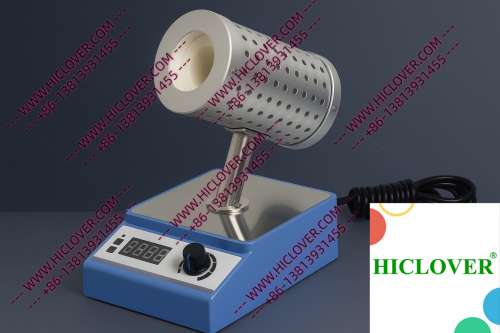
In the ever-evolving landscape of laboratory operations, biosafety challenges and stringent sterilization workflow demands cannot be overstated. The risk of contamination has emphasized the critical role heat sterilizers play in maintaining laboratory hygiene, especially for inoculating needles. Enter the Micro Incinerator or Infrared Inoculating Loop Sterilizer, both sophisticated and efficient alternatives to traditional flame-based methods such as alcohol lamps and Bunsen burners.
The Challenges of Laboratory Biosafety
Laboratories, particularly those operating under BSL-2 and BSL-3 levels, face unique biosafety challenges. The need for robust sterilization methods is imperative, given that pathogens can pose severe health risks. Traditional flame sterilizers, while effective, create additional hazards including open flames and the potential for aerosol generation during procedures. Furthermore, in environments like clean rooms, compliance with stringent sterilization and safety regulations must be upheld without compromising operational efficiency.
Technical Principles of Infrared Heat Sterilization
The technological backbone of Micro Incinerators lies in their use of infrared heat to achieve rapid thermal sterilization. Unlike conventional methods, the infrared sterilizer employs an enclosed ceramic heating chamber that focuses high-temperature disinfection on inoculating needles or loops with precision. This method ensures that the sterilization occurs uniformly and efficiently, dramatically reducing the risk of cross-contamination.
- Heat Source: Infrared emitters reach high temperatures in seconds.
- Safety: Contamination control minimizes exposure to aerosols and toxic fumes.
- Ease of Use: Simple operational design caters to various laboratory settings.
Application Scenarios in Real Labs
Biosafety Cabinets
In a BSL-2 microbiology lab, the Micro Incinerator is often utilized within biosafety cabinets where maximum sterility is crucial. The compact design makes it easy to integrate within the workspace, allowing researchers to quickly sterilize their inoculating tools without the distraction and danger associated with open flames. This setup not only streamlines workflow but also enhances the overall safety environment within the lab.
Field Testing and Mobile Labs
Consider the application in field testing, where laboratories often operate under less-than-ideal conditions. Researchers working with clinical diagnostics in remote locations appreciate the Micro Incinerator’s portability. The device’s independent functioning without the need for electrical outlets allows for safe and rapid needle sterilization, significantly reducing the risk of contaminating samples or spreading diseases.
Compliance and Environmental Standards
Maintaining compliance with global biosafety and sterilization standards is critical for laboratory operations. The World Health Organization (WHO) and other regulatory bodies emphasize the importance of sterilization methods that minimize risk and meet environmental regulations. For instance, in clean room settings, there are strict policies against the use of flame sterilizers due to the inherent fire risk and particle generation.
Heat sterilizers such as Micro Incinerators align with these guidelines, as they produce no open flames and are designed to operate without introducing harmful fumes. This aligns with the increasing demand for environmentally-friendly practices in laboratory operations.
Micro Incinerator vs. Traditional Flame Sterilizers
| Feature | Micro Incinerator | Flame Sterilizer (Alcohol Lamp/Bunsen Burner) |
|---|---|---|
| Operational Safety | No open flame, reduced aerosol risk | Open flame, higher risk of fire |
| Heat Efficiency | Rapid thermal sterilization | Slower heat-up time |
| Environmental Compliance | Environmentally safe, no fumes | Produces harmful emissions |
| Ease of Use | Simple operational design | Requires careful handling |
FAQs about Micro Incinerators
What is the lifespan of a Micro Incinerator?
The typical lifespan of a Micro Incinerator can vary, but with proper maintenance, units can last several years of continuous use.
How does a Micro Incinerator compare to a traditional Bunsen burner?
Unlike Bunsen burners, Micro Incinerators cannot produce flames and eliminate the risk of fire hazards, making them suitable for clean and controlled environments.
Is heat sterilization effective against all pathogens?
Yes, heat sterilization through infrared radiation is effective against a wide range of bacteria and viruses, significantly reducing contamination risks.
Can I use a Micro Incinerator in any lab setting?
Micro Incinerators are adaptable to various laboratory environments, including biosafety cabinets, teaching labs, and field applications, making them a versatile choice.
How does the Micro Incinerator contribute to biosafety?
With a design that prioritizes contamination control and compliance with biosafety standards, the Micro Incinerator minimizes risks associated with traditional flame-based methods.
Conclusion
In summary, the Micro Incinerator or Infrared Inoculating Loop Sterilizer represents a significant advancement in laboratory sterilization equipment, setting new benchmarks in contamination control and operational safety. As laboratory environments continue to evolve, investing in such technologies not only enhances biosafety but also supports research integrity. For those looking to enhance their laboratory’s sterilization capabilities, we encourage you to explore the advantages our product offers. Don’t hesitate to reach out for more information or to make a purchase!
Categories:
Tags: