
In today’s fast-paced laboratory environment, managing biosafety challenges while ensuring efficient sterilization workflows is paramount. Laboratories face an increasing demand for contamination control, especially in microbiology, clinical diagnostics, and educational settings. Amidst this landscape, sterilization equipment like the Micro Incinerator, particularly the Infrared Inoculating Loop Sterilizer, stands out as a preferable solution, effectively addressing traditional sterilization shortcomings.
Understanding the Technical Principles of Infrared Sterilization
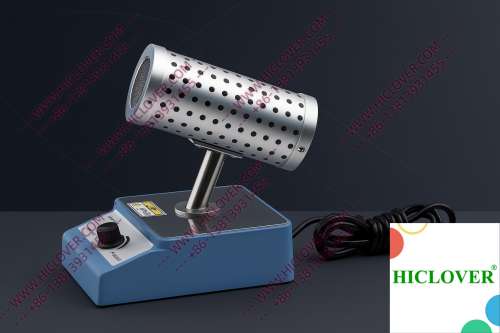
The Micro Incinerator is designed leveraging advanced infrared heat technology, enabling rapid thermal sterilization of inoculating loops and tools. The core of this device features an enclosed ceramic heating chamber that achieves high temperatures almost instantaneously while being energy-efficient. Unlike traditional flame sterilizers, such as alcohol lamps or Bunsen burners, the Micro Incinerator offers a clean-bench-safe operation, reducing the risk of flame-related accidents and eliminating aerosol generation that often accompanies flame sterilization.
The Advantages of Micro Incinerator Over Traditional Sterilizers
- Safety: No open flame reduces fire hazards.
- Time-efficient: Rapid heating times allow for quick sterilization between uses.
- Contamination Control: Minimal aerosolization limits exposure risks.
- Suitable for Clean Rooms: Meets stringent clean room requirements.
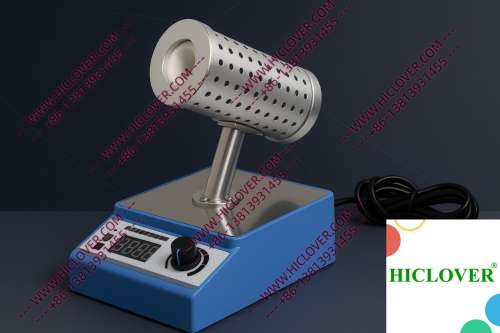
Real-Life Applications of the Micro Incinerator
Laboratories exist in diverse environments, and the versatility of the Micro Incinerator allows it to be integrated into various operational contexts. Below are two notable application scenarios:
1. Biosafety Cabinets in BSL-2 and BSL-3 Labs
In BSL-2 and BSL-3 microbiology labs, where pathogenic organisms are handled, maintaining a sterile environment is critical. The Micro Incinerator is commonly used alongside biosafety cabinets to sterilize inoculating loops and tools without generating aerosols. This setup helps safeguard laboratory personnel and prevents contaminants from escaping the cabinet, aligning with the WHO biosafety guidelines that emphasize reducing exposure risks in laboratories.
2. Teaching Laboratories in Universities
In the context of university teaching labs, the need for safe and effective sterilization becomes vital. Traditional flame sterilizers pose risks through open flames while teaching students proper inoculation techniques. The Micro Incinerator provides a safer learning environment by eliminating these hazards. Its ease of use allows instructors to focus on teaching without worrying about fire incident risks, enhancing the overall educational experience for students studying microbiology.
Compliance with Laboratory Sterilization Standards
Compliance with global and local sterilization standards is essential for laboratory operations. This includes adherence to WHO guidelines as well as local laboratory regulations that often prohibit the use of open flames in clean rooms. The Micro Incinerator aligns with these standards by ensuring that the sterilization process remains safe while minimizing the introduction of non-sterile elements into sensitive environments.
For instance, many countries, such as Germany and Canada, have stringent regulations regarding laboratory sterilization. To remain compliant, labs transitioning from flame sterilizers to the Micro Incinerator will find it aligns seamlessly with these requirements, ensuring both operational efficiency and regulatory conformance.
Frequently Asked Questions
1. How does the Micro Incinerator ensure effective sterilization?
Its infrared heating mechanism achieves high temperatures rapidly, effectively sterilizing tools without the risks associated with open flames.
2. Can I use the Micro Incinerator in a clean room environment?
Yes, it is designed to meet clean room standards, making it an ideal choice for environments that require stringent contamination controls.
3. What are the key differences between the Micro Incinerator and traditional flame sterilizers?
The Micro Incinerator eliminates the need for an open flame, reduces fire hazards, accelerates sterilization times, and limits aerosolization, resulting in a safer and cleaner work environment.
4. Is the Micro Incinerator suitable for field testing labs?
Absolutely! Its compact design and efficient sterilization make it a practical choice for mobile or field testing labs that require on-the-go sterilization solutions.
5. How does the Micro Incinerator contribute to laboratory safety?
By replacing traditional flame methods, it minimizes the risk of accidents and exposure to harmful aerosols, thus enhancing overall laboratory safety protocols.
Conclusion: Choose Advanced Sterilization Solutions
The transition from traditional flame sterilizers to modern solutions like the Micro Incinerator represents a significant advancement in laboratory sterilization practices. With its unique benefits—a clean operation, rapid sterilization times, and compliance with global safety standards—it is clear that the Micro Incinerator is essential for labs focused on safety, efficiency, and impeccable sterility.
Are you ready to revolutionize your laboratory’s sterilization process? Contact us today to learn more about our high-quality Micro Incinerator and how it can enhance your workflows!
Categories:
Tags: