
In today’s laboratory environments, effectively managing biosafety challenges and adhering to sterilization workflow demands are crucial. With growing concerns over contamination control and the need for reliable sterilization methods, laminar flow cabinets have gained widespread popularity. One of the innovative solutions at the forefront of this trend is the Micro Incinerator / Infrared Inoculating Loop Sterilizer, designed to provide rapid thermal sterilization and ensure compliance with stringent laboratory regulations. This article delves into the technical principles, real-world applications, and compliance-related considerations surrounding this important laboratory equipment.
Understanding the Micro Incinerator
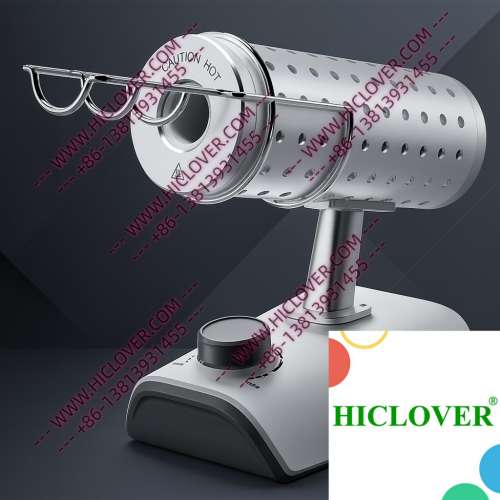
At its core, the Micro Incinerator utilizes infrared heat to achieve high-temperature disinfection in a clean and efficient manner. Unlike traditional flame sterilizers, such as alcohol lamps or Bunsen burners, which tend to introduce aerosolized particles into the air, the Micro Incinerator operates through a sealed ceramic heating chamber. This enclosed system facilitates rapid heating, allowing for an efficient sterilization process with minimal risk of contamination.
The device typically features an easy-to-use power setting that allows laboratory personnel to adjust the sterilization intensity based on their specific needs. Most configurations are compact and energy-efficient, making them ideal for applications in BSL-2 and BSL-3 microbiology labs, clinical diagnostics, and university teaching laboratories.
Applications in Real Laboratories
1. Biosafety Cabinets
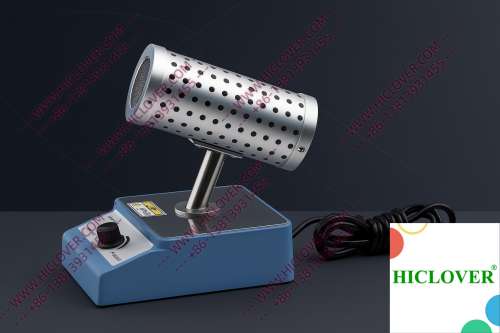
In the realm of biosafety, the Micro Incinerator stands out as an essential tool for laboratories that require stringent contamination control measures. When used within biosafety cabinets, it offers an aerosol-free handling alternative that eliminates the hazards associated with open flames. This setup is particularly beneficial for laboratories working with pathogenic microorganisms, where maintaining a sterile environment is paramount. By integrating the Micro Incinerator, technicians can efficiently sterilize inoculating loops and other equipment, minimizing the risk of cross-contamination.
2. Field Testing
Field testing labs are often challenged by the need for portable and efficient sterilization methods. The Micro Incinerator addresses this issue by offering a lightweight and battery-operated option that ensures reliable sterilization in a variety of outdoor settings. Featuring a robust design that withstands challenging conditions, it allows researchers to conduct biological sampling without compromising on sterilization standards. This capability is particularly important when conducting environmental studies or testing samples collected from remote areas.
Compliance and Environmental Considerations
Compliance with international biosafety standards, such as those set forth by the World Health Organization (WHO), is critical for laboratories worldwide. The Micro Incinerator’s design adheres to these guidelines, ensuring effective sterilization while minimizing environmental impact. Traditional flame sterilizers contribute to increased emissions and potential hazards in clean rooms; on the other hand, the infrared technology used in the Micro Incinerator promotes a cleaner and safer working environment.
- Effective against a wide range of microorganisms.
- Reduces risks associated with open flames.
- Minimizes aerosol generation, reducing contamination risk.
This compliance ensures that laboratories can maintain high operational standards without compromising on safety or efficiency. Facilities in regions like California and New York are already witnessing the benefits of such innovative sterilization techniques in their laboratories.
Advantages of Micro Incinerator vs. Traditional Flame Sterilizers
| Feature | Micro Incinerator | Flame Sterilizers |
|---|---|---|
| Temperature Control | Precise infrared heat | Variable open flame |
| Risk of Contamination | Low, aerosol-free | High, due to flame |
| Portability | Highly portable, battery-operated | Heavy and usually stationary |
| Energy Efficiency | Energy-saving technology | Consumes more fuel |
FAQs
1. How does the Micro Incinerator differ from traditional sterilization methods?
The Micro Incinerator uses infrared technology for efficient, rapid thermal sterilization, reducing contamination risks associated with traditional flame sterilizers.
2. Can the Micro Incinerator be used in high-containment laboratories?
Yes, it is highly effective in BSL-2 and BSL-3 laboratories, providing a safer alternative to flame-based sterilization methods.
3. What is the maintenance requirement for the Micro Incinerator?
It requires minimal maintenance, primarily focusing on ensuring the ceramic tube remains clean and intact for optimal performance.
4. Is the Micro Incinerator safe for teaching labs?
Absolutely! Its design minimizes risks and enhances teaching practices in laboratory courses by providing a safer and efficient sterilization method.
5. How does the Micro Incinerator enhance workflow in clinical diagnostics?
By providing quick and reliable sterilization, the Micro Incinerator streamlines laboratory workflows and reduces wait times for technicians handling specimens.
Conclusion
As laboratories aim to maintain rigorous standards of safety and efficiency, the transition to advanced sterilization technologies like the Micro Incinerator / Infrared Inoculating Loop Sterilizer becomes essential. This product not only addresses contemporary biosafety challenges but also aligns with the best practices outlined by health organizations. For institutions looking to modernize their sterilization workflows, consider exploring the advantages of the Micro Incinerator. Contact us today to learn more about our robust sterilization solutions tailored to meet your laboratory needs!
Categories:
Tags: