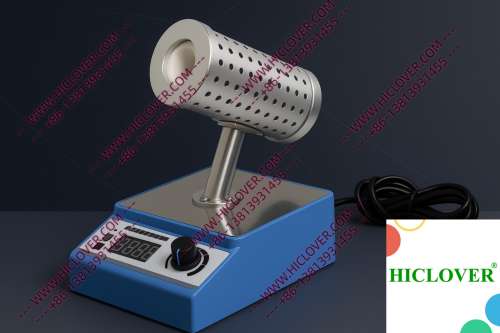
The challenges of laboratory biosafety are ever-evolving, with the rising need for stringent sterilization protocols becoming increasingly critical in various environments. In Canada, where healthcare and scientific research facilities strive for optimal safety and efficiency, the adoption of laboratory sterilization equipment, particularly the Micro Incinerator or Infrared Inoculating Loop Sterilizer, is on the rise. This article explores the versatility and significance of these sterilizers across different applications.
Understanding the Micro Incinerator: Technical Principles and Design
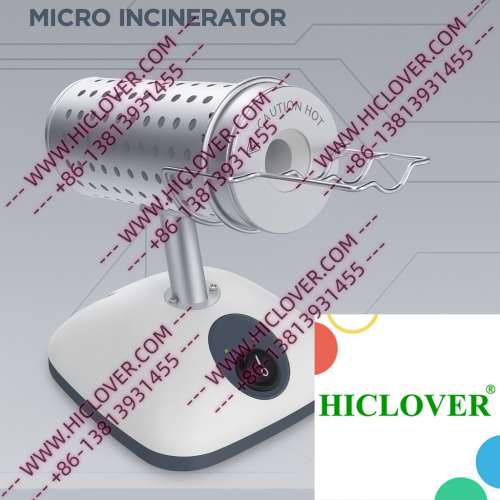
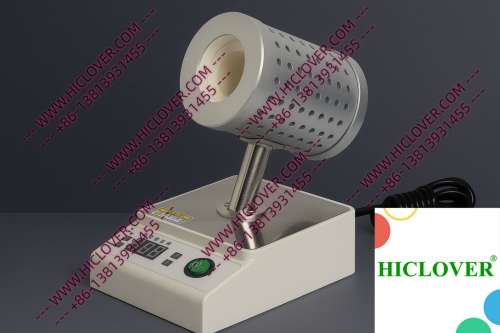
The Micro Incinerator operates on the principle of rapid thermal sterilization, utilizing infrared heat generated by a precise ceramic heating chamber. This enclosed ceramic tube radiates high temperatures that effectively eliminate contaminants in an aerosol-free manner. By focusing on efficiency and precision, the Micro Incinerator ensures that inoculating loops, needles, and other lab tools can be sterilized quickly and reliably, promoting seamless workflows in busy laboratories.
- Infrared Heat Technology: Provides quick sterilization without generating harmful aerosols.
- Compact Design: Allows for easy placement in laboratories, enhancing space efficiency.
- Temperature Control: Adjustable settings facilitate optimal sterilization conditions.
Application Scenarios: Where Micro Incinerators Shine
1. Biosafety Cabinets
In BSL-2 and BSL-3 microbiology labs, maintaining contamination control is imperative. The integration of Micro Incinerators in biosafety cabinets ensures that lab personnel can safely sterilize tools without introducing combustion byproducts. This closed environment allows for a safe and effective workflow while adhering to safety standards.
2. Field Testing and Mobile Labs
In mobile or field testing labs, sterilization equipment must be both portable and reliable. The Micro Incinerator’s compact design makes it a valuable tool for field researchers who require quick disinfection of inoculating loops and other essentials without access to traditional power sources. Its rapid thermal capabilities make it ideal for use in remote locations, ensuring that researchers can maintain compliance with sterilization protocols in varied environments.
Compliance and Environmental Considerations
Adherence to the World Health Organization (WHO) biosafety standards is crucial in laboratory environments. Traditional flame sterilizers such as alcohol lamps and Bunsen burners can produce hazardous smoke or flame, which is not suitable for clean rooms and specialized labs. Utilizing the Micro Incinerator eliminates these risks, aligning with the stringent requirements for contamination control.
Furthermore, with a growing emphasis on sustainable laboratory practices, the absence of open flames and reduced energy consumption connected with the Micro Incinerator makes it an environmentally friendly choice for modern facilities. This aligns with the Canadian government’s push for greener technologies in healthcare settings.
Advantages of Micro Incinerators Over Traditional Flame Sterilizers
When comparing the Micro Incinerator to traditional flame burners, there are clear advantages:
| Feature | Micro Incinerator | Flame Burners |
|---|---|---|
| Efficiency | Rapid thermal sterilization | Slower heating time |
| Safety | Aerosol-free; no open flame | Risk of fire hazards |
| Portability | Compact and lightweight | Bulkier; requires more space |
| Environmental Impact | Lower energy consumption | Emits smoke and can pollute |
FAQs about Micro Incinerators
What is the primary function of a Micro Incinerator?
The primary function of a Micro Incinerator is to sterilize inoculating loops and needles rapidly through infrared heat, ensuring a clean and safe microbial environment in laboratories.
How does a Micro Incinerator differ from traditional sterilization methods?
Unlike traditional methods, the Micro Incinerator does not use an open flame, significantly reducing the risk of combustion and promoting a safer working environment within BSL-2 and BSL-3 labs.
What are the ideal settings for using a Micro Incinerator?
Micro Incinerators are suitable for various applications, including teaching laboratories, field testing, and inside biosafety cabinets, providing versatility across environments.
Can a Micro Incinerator help reduce contamination risks?
Yes, due to its rapid thermal sterilization capability and aerosol-free operation, a Micro Incinerator significantly minimizes the risks associated with contamination in laboratory settings.
Are Micro Incinerators compliant with WHO biosafety standards?
Yes, Micro Incinerators align with WHO guidelines regarding sterilization and biosafety, making them an excellent choice for institutions committed to maintaining high safety standards.
Conclusion: Elevating Laboratory Safety and Efficiency
For Canadian laboratories—from universities to research centers—the Micro Incinerator represents a significant advancement in sterilization technology. Its reliance on infrared heat not only enhances sterilization effectiveness but also promotes a safer, cleaner environment. As labs continue to evolve, transitioning from traditional flame sources to innovative solutions like the Micro Incinerator is the way forward. Contact us today to learn more about these essential tools for your facility’s sterilization needs.
Categories:
Tags: