
In the realm of laboratory and clinical diagnostics, maintaining biosafety is paramount. Laboratories often struggle with the challenges posed by contamination, which can compromise experiments and patient outcomes. As the demand for efficient and reliable sterilization workflows grows, innovative solutions like the Micro Incinerator or Infrared Inoculating Loop Sterilizer have transformed how sterilization is approached in laboratories.
Challenges in Laboratory Sterilization Workflows
Laboratories, especially those functioning under biosafety levels 2 and 3 (BSL-2 / BSL-3), require rigorous sterilization protocols. Traditional methods, such as using Bunsen burners or alcohol lamps, pose several challenges, including:
- Risk of open flames igniting flammable materials.
- Inconsistency in achieving optimal sterilization temperatures.
- Aerosol generation during sterilization, jeopardizing lab safety.
These challenges highlight an urgent need for safer, more reliable, and efficient sterilization methods, leading to the introduction of devices like the Micro Incinerator.
Technical Principles of Infrared Inoculating Loop Sterilizers
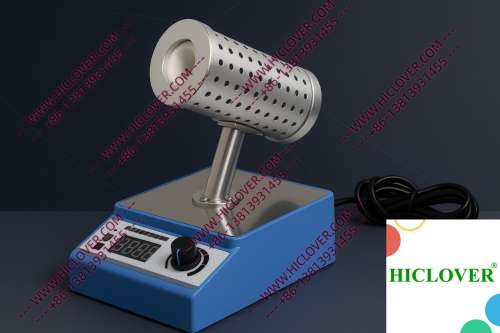
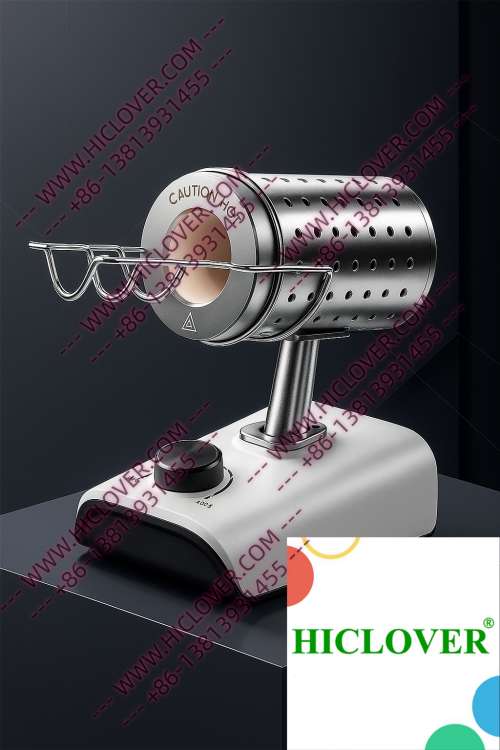
The Micro Incinerator operates using infrared heat, which is contained within an enclosed ceramic tube. This design enables:
- Rapid thermal sterilization, efficiently reaching temperatures upwards of 800°C.
- Faster cooling and heating times compared to traditional flame methods.
- Clean-bench-safe operations, minimizing the risk of aerosol contamination.
This technology represents a significant advancement in sterilization protocols, particularly in environments where maintaining a sterile field is critical. The enclosed ceramic heating chamber effectively neutralizes contaminants without the risks associated with open flames.
Application Scenarios in Real Labs
1. Biosafety Cabinets
In microbiology labs, especially BSL-2 environments, the Micro Incinerator is often used within biosafety cabinets. Here, scientists can sterilize inoculating loops or other small tools without exposing themselves to the biological agents currently in testing. This is crucial, as biosafety cabinets are designed to prevent the escape of aerosols and other harmful particulate matter.
2. University Teaching Labs
Educational institutions frequently rely on effective sterilization to teach safe laboratory practices. The Micro Incinerator serves as an ideal instructional tool. Instructors can demonstrate sterile techniques while ensuring a safe, contamination-free environment. Students gain hands-on experience using an up-to-date device that meets stringent safety standards, preparing them for future careers in clinical diagnostics or research.
Compliance and Environmental Safety Considerations
With growing global awareness regarding biosafety, adhering to established protocols and guidelines such as those set by the World Health Organization (WHO) is critical. The Micro Incinerator supports compliance with:
- WHO biosafety recommendations for handling biohazardous materials.
- ISO and CDC laboratory sterilization standards.
- The absence of open flames in clean room environments, significantly reducing fire hazard risks.
By using advanced sterilization devices, laboratories not only meet compliance requirements but also enhance the overall safety of laboratory operations.
Advantages of Metal Loop Devices Over Traditional Flame Sterilizers
When comparing infrared inoculating loop sterilizers to traditional flame sterilizers like alcohol lamps and Bunsen burners, several advantages become evident:
| Feature | Micro Incinerator | Traditional Flame Sterilizers |
|---|---|---|
| Temperature Control | Consistent high temperatures (up to 800°C) | Variable; subject to environmental factors |
| Aerosol Generation | None; closed design | Can generate aerosols |
| Safety | Reduced risk of ignition; no open flames | Fire hazard from open flames |
| Efficiency | Rapid heating & cooling cycles | Longer wait times |
Frequently Asked Questions
What is a Micro Incinerator?
A Micro Incinerator is an infrared inoculating loop sterilizer designed to provide rapid and effective sterilization of laboratory tools and equipment via high-temperature heat methods.
How does a Micro Incinerator improve laboratory safety?
It minimizes the risk of fire hazards associated with open flames, reduces aerosol generation, and ensures high-temperature sterilization in a controlled environment.
Can the Micro Incinerator be used in field testing laboratories?
Yes, its portability and robust design make it suitable for use in mobile or field-testing labs, providing reliable sterilization protocols outside traditional settings.
What are the compliance benefits of using a Micro Incinerator?
Using a Micro Incinerator helps laboratories meet WHO biosafety standards and other regulatory requirements while maintaining a safe working environment.
Is the Micro Incinerator suitable for teaching environments?
Absolutely, it provides a safe platform for teaching sterile techniques and practical applications in university-level biology and microbiology labs.
Conclusion
As laboratories strive for excellence in contamination control and biosafety, innovations like the Micro Incinerator or Infrared Inoculating Loop Sterilizer lead the charge toward safer, more effective sterilization protocols. If you are interested in upgrading your sterilization equipment or would like more information about our products, don’t hesitate to contact us. Join the movement toward enhanced laboratory safety and efficiency today!
Categories:
Tags: