
In today’s dynamic laboratory environments, biosafety and efficient sterilization workflows are paramount. Researchers, educators, and medical professionals are increasingly challenged to ensure contamination control while maintaining a seamless workflow. One key player in this realm is the Micro Incinerator / Infrared Inoculating Loop Sterilizer, a sterilization device that promises rapid thermal sterilization and enhanced safety features compared to traditional methods like alcohol lamps and Bunsen burners. This article explores its applications, compliance with biosafety standards, and why it is an indispensable tool for laboratories in Singapore.
The Technical Principle Behind Micro Incinerators
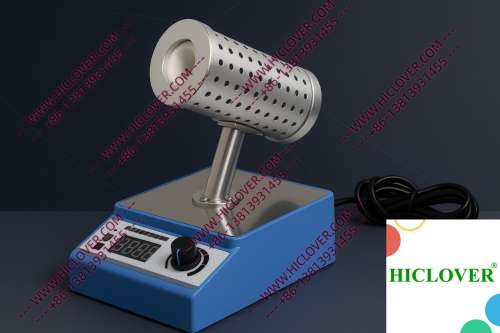
The Micro Incinerator operates on the principle of infrared high-temperature disinfection. It employs an enclosed ceramic heating chamber that allows for direct, rapid heating of inoculating loops and other small instruments. This configuration not only delivers consistent temperatures exceeding 800°C but does so with remarkable efficiency, boiling away contaminants at a molecular level without the creation of harmful aerosols or flames.
Key Advantages Over Traditional Flame Sterilizers
- Non-flame design: Reduces the risk of fire hazards, particularly in clean environments.
- Rapid heating: Achieves sterilization in seconds, improving workflow efficiency.
- Aerosol-free handling: Minimizes the risk of airborne contamination.
- Durable construction: Long-lasting ceramic components withstand repeated cycles without wear.
Application Scenarios in Real Labs
Biosafety Cabinet Usage
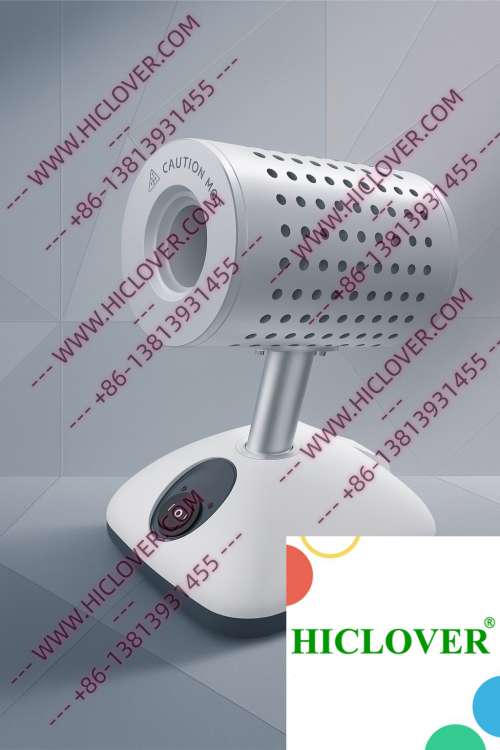
In BSL-2 and BSL-3 microbiology labs, the need for maintaining aseptic conditions is critical. The Micro Incinerator can be used within biosafety cabinets to sterilize loops and instruments efficiently. By integrating this sterilization technology into standard operating procedures, labs can uphold higher biosafety standards while simultaneously minimizing contamination risks. Its compact size ensures it fits comfortably within the confines of the cabinet, providing practitioners with a reliable means of sterilization without compromising space.
Field Testing and Teaching Labs
For mobile or field testing labs, portability and reliability are key. The Micro Incinerator’s lightweight design and battery-powered options make it an excellent choice for fieldwork, where traditional flame sterilizers may pose hazards or logistical challenges. Additionally, in university teaching labs, educators can demonstrate safe microbial handling techniques without the dangers associated with flames, reinforcing best practices among students effectively.
Compliance and Environmental Standards
The role of loop sterilizers in complying with global biosafety standards is irrefutable. For instance, the World Health Organization (WHO) emphasizes the importance of safe laboratory practices to prevent infection and contamination. In Singapore, compliance with the Ministry of Health’s biosafety guidelines ensures that laboratories operate within the required frameworks for public health safety.
“Traditional flame sterilizers often release trace volatile organic compounds into the air, while infrared sterilization remains clean, efficient, and compliant with contemporary safety regulations.”
Moreover, regulations surrounding clean room environments require sterilization methods that do not introduce contaminants into the air. The Micro Incinerator meets these needs by eliminating flames, thereby protecting sensitive environments such as CO₂ incubators and anaerobic chambers.
Rapid Reference: Micro Incinerator vs. Flame Burners
| Feature | Micro Incinerator | Flame Burners |
|---|---|---|
| Heating Method | Infrared | Combustion |
| Temperature Control | Consistent and Pre-set | Variable and Manual |
| Safety | Low risk, no open flame | High risk, open flames |
| Speed of Sterilization | Seconds | Variable |
FAQs about Micro Incinerators
What makes a Micro Incinerator ideal for biosafety cabinets?
Its compact design, rapid heating capabilities, and lack of open flames make it the perfect tool for maintaining aseptic conditions in sensitive laboratory environments.
How does a Micro Incinerator ensure safety in mobile labs?
The lightweight and portable nature of the Micro Incinerator, combined with its operation without flames, allows for safe usage in various field settings.
Can a Micro Incinerator be used in undergraduate teaching labs?
Absolutely! It provides an excellent learning tool for students to practice contamination control techniques without the risks associated with traditional flame sterilizers.
What environmental compliance does a Micro Incinerator meet?
This device adheres to WHO guidelines and local regulations in Singapore, ensuring that it operates safely within cleanroom environments while limiting particulate emissions.
Is the Micro Incinerator costly compared to traditional burners?
While the initial investment may be higher, the long-term benefits in safety, efficiency, and lower operational costs ensure that it is a cost-effective solution for rigorous laboratory environments.
Conclusion: Upgrade Your Laboratory Sterilization Today
For laboratories in Singapore looking to enhance their sterilization workflows while ensuring compliance with stringent biosafety measures, the Micro Incinerator / Infrared Inoculating Loop Sterilizer is an invaluable asset. The shift from traditional flame sterilizers to this modern technology not only elevates contamination control but also promotes a safer working environment. If you are ready to invest in quality sterilization equipment that meets the evolving demands of your laboratory, contact us today to explore your options!
Categories:
Tags: