
Laboratory biosafety challenges are omnipresent, especially in settings that require contamination control for optimal results. The efficiency of laboratory sterilization methods directly affects not only the integrity of experiments but also the safety of clinical diagnostics. One innovative solution gaining traction in New Zealand is the Micro Incinerator, or Infrared Inoculating Loop Sterilizer, a next-generation portable loop sterilizer that meets the rigorous demands of modern laboratories.
Understanding the Technical Principles of Micro Incinerators
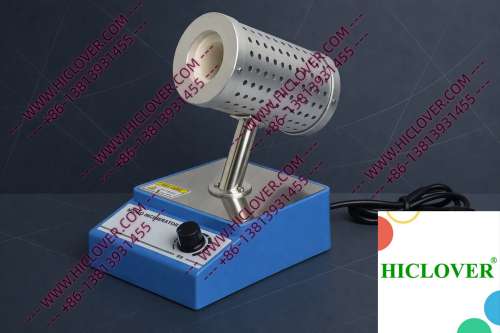
At the core of the Micro Incinerator’s functionality is its use of infrared heat, which enables rapid thermal sterilization. This device employs a ceramic heating chamber that reaches high temperatures in a matter of seconds, providing an enclosed environment ideal for sterilization. Unlike traditional flame sterilizers such as alcohol lamps or Bunsen burners, which can pose safety risks in clean environments, the infrared inoculating loop sterilizer offers a clean-bench-safe solution devoid of harmful aerosols.
The principle is simple yet effective: the device heats inoculating loops and other metal tools quickly, effectively destroying microbial life while maintaining a sterile working atmosphere. This thermal efficiency is not just a technical enhancement; it addresses the workflow demands in labs significantly impacted by contamination risks.
Real-World Applications in New Zealand Laboratories
1. Field Testing in Rural Areas
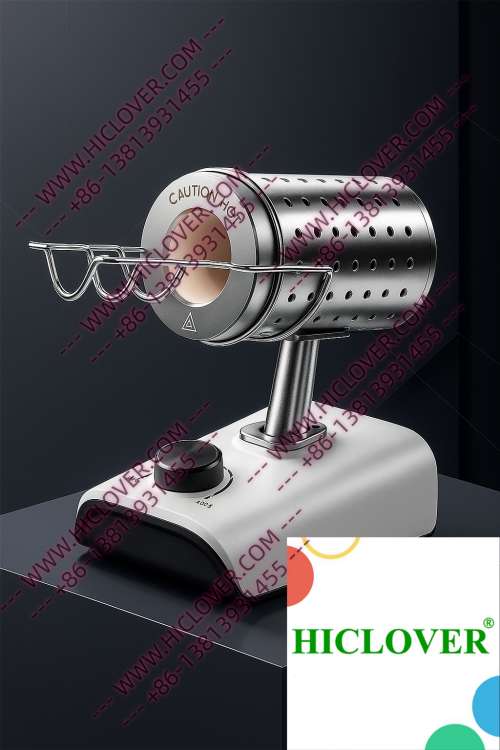
In remote field testing scenarios, such as environmental microbiology studies, researchers face harsh conditions where traditional sterilization equipment may fail. A portable Micro Incinerator allows scientists to conduct analyses and collect samples without the fear of cross-contamination, thus adhering to the high standards set by WHO biosafety regulations. For example, a team assessing water quality in rural streams uses this sterilizer to sample and test waterborne pathogens without compromising the integrity of their results.
2. University Teaching Labs
In academic settings, the Micro Incinerator serves as an effective pedagogical tool. Teaching labs at universities in Auckland utilize these sterilizers in microbiology courses, where students learn laboratory practices involving cultures. The device not only enhances student safety by eliminating the dangers associated with open flames but also introduces them to modern sterilization technologies that will benefit their future careers.
Compliance and Environmental Considerations
Compliance with global biosafety standards, such as those set by the WHO, is paramount for laboratories in New Zealand. The Micro Incinerator, with its enclosed design and lack of open flames, aligns with BSL-2 and BSL-3 laboratory requirements, ensuring a safe working environment. Moreover, institutions looking to reduce their environmental footprint benefit from the lower energy consumption of infrared sterilizers compared to traditional flame-based methods.
| Feature | Micro Incinerator | Traditional Flame Sterilizers |
|---|---|---|
| Heating Method | Infrared Heat | Open Flame |
| Safety | Clean-Bench-Safe | Hazardous (Flammable) |
| Handling of Materials | Aerosol-Free | Aerosol Generation |
| Temperature Control | Rapid High-Temperature Disinfection | Less Controlled |
| Portability | High | Low |
Advantages of Micro Incinerators Over Traditional Methods
- Safety: Enhanced safety features reduce fire hazards in sensitive environments.
- Efficiency: Rapid heating eliminates waiting times typical of flame sterilizers.
- Contamination Control: Aerosol-free handling minimizes contamination risks.
- Compliance Ready: Meets stringent biosafety standards suitable for BSL-2/BSL-3 labs.
- Portable Design: Ideal for fieldwork scenarios or mobile testing units.
Frequently Asked Questions
1. What types of laboratories benefit most from using a Micro Incinerator?
Most beneficial for clinical diagnostics, university teaching labs, and field-testing environments, the Micro Incinerator enhances sterilization processes across these sectors.
2. How does the Micro Incinerator ensure compliance with biosafety standards?
The device’s enclosed design and rapid thermal sterilization significantly reduce contamination risks, meeting WHO biosafety guidelines for laboratory safety.
3. Can the Micro Incinerator be used in teaching settings?
Absolutely! It provides a safe, efficient way for students to learn essential sterilization techniques without using open flames.
4. How does the Micro Incinerator compare to traditional flame sterilizers?
Compared to traditional methods, the Micro Incinerator is safer, more efficient, and compliant with modern laboratory requirements, offering a clear advantage for high-stakes research.
5. Are Micro Incinerators energy-efficient?
Yes, Micro Incinerators consume less energy than flame-based sterilizers, making them a more sustainable option in the long run.
Conclusion
The transition from traditional sterilization methods to advanced portable loop sterilizers like the Micro Incinerator marks a significant step forward in laboratory safety and efficiency across New Zealand. By embracing modern technology, laboratories can not only uphold compliance with stringent biosafety guidelines but also enhance the overall workflow. For laboratory supply distributors, hospitals, universities, and research centers looking for effective sterilization solutions, investing in Micro Incinerators can lead to improved safety standards and operational efficiency.
Interested in upgrading your lab’s sterilization equipment? Reach out to us today for more information on the Micro Incinerator and how it can revolutionize your laboratory processes.
Categories:
Tags: