
In today’s fast-paced laboratory environment, maintaining biosafety while managing workflow demands is both critical and challenging. Rapid thermal sterilization is paramount for ensuring microbial control, especially in biosafety level (BSL) 2 and BSL-3 labs where the handling of pathogens is routine. Traditional flame sterilizers like alcohol lamps and Bunsen burners often leave labs vulnerable to contamination, which necessitates the adoption of innovative sterilization solutions.
Understanding the Micro Incinerator: Principles and Design
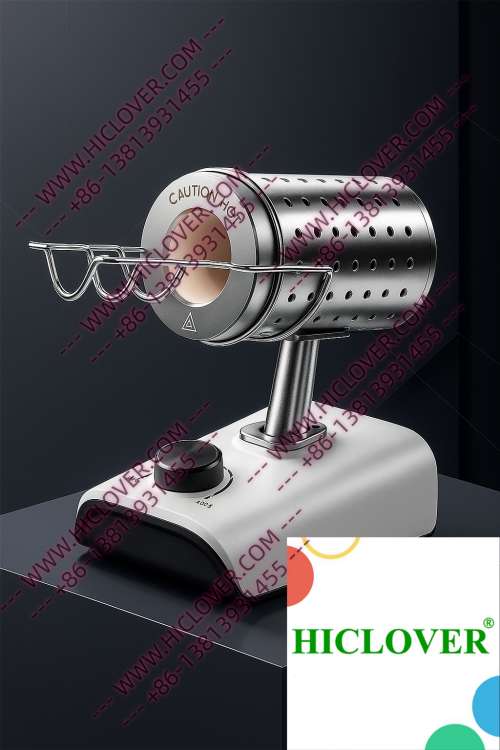
The Micro Incinerator, also known as the Infrared Inoculating Loop Sterilizer, utilizes advanced infrared heat technology. This closed ceramic heating chamber generates extremely high temperatures, allowing for efficient sterilization without open flames. The infrared heating element reaches temperatures often exceeding 800 degrees Celsius, enabling rapid microbial disinfection while streamlining laboratory processes.
One of the most significant advantages of the Micro Incinerator over traditional flame sterilizers is its ability to operate in clean room environments. With no open flame, there is a marked reduction in the risk of aerosols and volatile substances that can potentially compromise sterile environments. This innovation supports compliance with stringent laboratory sterilization standards outlined by the World Health Organization (WHO) and other regulatory bodies.
Applications of the Micro Incinerator in Real Laboratories
1. Teaching Laboratories
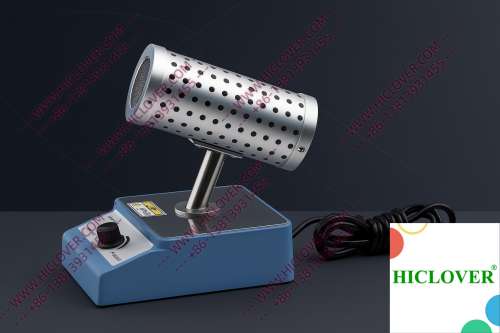
In academic institutions, teaching labs often see a high volume of experiments involving microbiological techniques. The Micro Incinerator provides a safe and efficient means of sterilizing inoculating loops and other implements in environments where students are learning best practices. Its ease of use and quick operational time—typically under 10 seconds—facilitates seamless transitions between experiments without compromising safety.
2. Field Testing Labs
Mobile or field testing laboratories frequently encounter environments that may not support traditional ignition-based sterilizers. The infrared inoculating loop sterilizer’s portability, compact size, and flameless operation make it an ideal tool for contamination control during field studies, such as soil or water analysis in rural or remote locations. Researchers can confidently ensure sample integrity, minimizing the risks of cross-contamination.
Compliance and Environmental Considerations
Compliance with biosafety standards is a fundamental aspect of laboratory operations. Therefore, adopting tools like the Micro Incinerator aligns with health and safety regulations imposed by organizations such as WHO and the CDC. For instance:
- Compliant with BSL-2 and BSL-3 regulations
- Supports clean room protocols by eliminating open flames
- Reduces aerosol generation, enhancing safety in sensitive environments
Additionally, in regions with stringent laboratory controls, such as the European Union or regions observing the ISO 15189 standards for medical laboratories, the Micro Incinerator helps maintain compliance while optimizing safety protocols.
Advantages of Flameless Loop Sterilizers Over Traditional Methods
| Feature | Micro Incinerator | Flame Burners |
|---|---|---|
| Time to Sterilize | Under 10 seconds | Varies (around 20 seconds) |
| Safety | No flame; aerosol-free | Open flame; risk of fire and inhalation of aerosols |
| Portability | Compact and lightweight | Typically bulkier and less transportable |
| Environment Compliance | Meets strict WHO and ISO standards | No specific compliance benefits |
Frequently Asked Questions
What is the operational lifespan of a Micro Incinerator?
The typical lifespan of a Micro Incinerator can vary, but with proper care and maintenance, these units often last several years, providing efficient sterilization throughout their lifespan.
Is the Micro Incinerator suitable for all lab settings?
Yes, the Micro Incinerator is versatile enough for various laboratory settings including BSL-2 and BSL-3 labs, teaching labs, and field testing environments.
How does the infrared technology in the Micro Incinerator work?
The infrared technology delivers rapid heat to sterilize inoculating loops effectively. The enclosed ceramic tube ensures high temperatures are maintained without exposing users to open flames.
Can the Micro Incinerator reduce the risk of contamination?
Absolutely, its design minimizes aerosol generation and supports safer practices in both clean environments and regular lab operations.
What are the maintenance requirements for a Micro Incinerator?
Routine cleaning of the ceramic tube and checking the electrical connections are simple maintenance tasks needed to ensure the Micro Incinerator operates effectively over time.
Conclusion: Elevate Your Lab’s Safety and Efficiency
Incorporating a Micro Incinerator / Infrared Inoculating Loop Sterilizer into your laboratory workflow not only enhances biosafety practices but also streamlines sterilization processes. By adopting this modern sterilization solution, laboratories can elevate their level of safety and efficiency, ensuring compliance with international standards. For optimal performance in clinical diagnostics, microbiology labs, or education, consider reaching out to explore purchasing options today!
Categories:
Tags: