
In today’s research-driven world, laboratories face escalating biosafety challenges and stringent sterilization workflow demands. Traditional methods, such as alcohol lamps and Bunsen burners, pose risks including flame hazards, incomplete sterilization, and contamination. As laboratories adopt new standards to meet strict compliance requirements while ensuring safety, innovative solutions like the Micro Incinerator and Infrared Inoculating Loop Sterilizer have emerged as vital tools in the fight against microbial contamination.
Understanding the Technical Principles of Infrared Sterilization
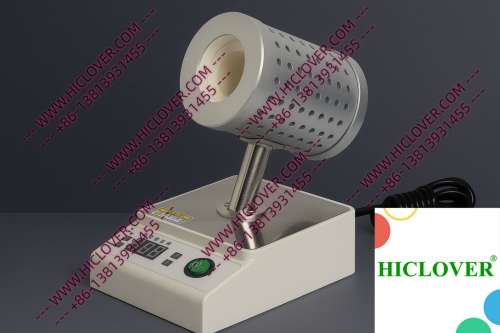
The Micro Incinerator operates on the principle of rapid thermal sterilization using infrared heat. It features an enclosed ceramic tube designed to concentrate heat for effective disinfection. When the sterilizer is powered on, the infrared heating elements emit radiative energy, which reaches temperatures exceeding 800°C. This high-temperature environment effectively kills bacteria, viruses, and fungi within seconds, facilitating rapid, efficient sterilization of inoculating loops and other small tools.
Transforming Infection Control: Applications in Real Labs
The Micro Incinerator has found diverse applications across various laboratory settings, including BSL-2 and BSL-3 microbiology labs, clinical diagnostics, and educational teaching labs.
- Biosafety Cabinets: In BSL-2 and BSL-3 environments, maintaining sterility is paramount. The Micro Incinerator offers a clean-bench-safe solution by eliminating open flames and reducing the risk of aerosol generation. This critical feature allows researchers to confidently handle potentially hazardous microorganisms while mitigating contamination risks.
- Field Testing and Mobile Labs: Field testing often involves rapid sterilization of equipment in unpredictable environments. Laboratory teams can utilize portable Micro Incinerators, where compact design and fast action excel in disinfection. Whether conducting microbiological surveys in a remote area or undertaking environmental studies, such tools ensure compliance with sterilization standards without sacrificing workflow efficiency.
- What is the primary advantage of using a Micro Incinerator over traditional flame sterilizers? The Micro Incinerator offers rapid thermal sterilization without open flames, enhancing safety and efficiency in laboratory settings.
- Can the Micro Incinerator be used in BSL-2 or BSL-3 labs? Yes, it is ideal for use in BSL-2 and BSL-3 laboratories due to its high-temperature sterilization capabilities and aerosol-free technology.
- How does the infrared heating mechanism work? Infrared heating elements produce targeted heat using electromagnetic waves, effectively sanitizing inoculating loops and reducing the time required for sterilization.
- Is it suitable for teaching labs? Absolutely! The Micro Incinerator’s ease of use and safety features make it a practical choice for educational environments specializing in life sciences.
- What kind of maintenance does the Micro Incinerator require? Minimal maintenance is required, primarily limited to cleaning the ceramic tube and ensuring heating elements are intact.
Compliance and Safety Standards for Laboratory Sterilization
Laboratories worldwide must adhere to strict biosafety and sterilization standards outlined by organizations such as the World Health Organization (WHO) and local regulatory authorities. For instance, safe sterilization practices are essential for maintaining compliance with biosafety level (BSL) regulations, creating a safe working environment for researchers while preventing microbial escape.
Moreover, the Micro Incinerator eliminates the need for open flames in clean rooms, where flammable vapors are a significant hazard. This technology not only aligns with industry regulations but also promotes a culture of safety within laboratory operations. The absence of flame reduces risks related to fire hazards, making it a suitable choice for high-stakes environments.
Comparative Analysis: Micro Incinerator vs. Traditional Flame Burners
| Feature | Micro Incinerator | Flame Burners |
|---|---|---|
| Temperature Control | Consistent, high temperatures (up to 800°C) | Inconsistent; subject to user skill |
| Aerosol Generation | Aerosol-free handling | High risk of aerosols |
| Safety | No open flames | Flammable risks present |
| Ease of Use | One-button operation | Requires manual flame management |
| Portability | Compact design for field use | Bulky and less portable |
Addressing Common Questions About Advanced Sterilization Technologies
FAQs
Conclusion: Transform Your Laboratory Sterilization Practices
As laboratories combat elevated microbial threats and stringent biosafety requirements, the shift toward advanced technologies like the Micro Incinerator and Infrared Inoculating Loop Sterilizer signifies a revolution in sterilization practices. These efficient, high-temperature, and aerosol-free sterilization methods are not only compliant with current safety standards but also enhance workflow in diverse environments. For laboratory supply distributors, hospitals, universities, and research centers looking to upgrade their sterilization equipment, reaching out for a consultation could open up new possibilities. Transform your sterilization practices today with innovative solutions designed for the future of biosafety.
Categories:
Tags: