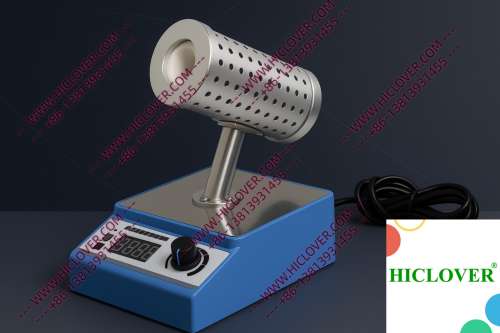
In today’s microbiology labs, the challenge of maintaining sterile environments is critical. With the rising complexity of sample handling and culture growth, researchers are increasingly turning to advanced sterilization solutions. The Micro Incinerator, also known as the Infrared Inoculating Loop Sterilizer, has emerged as a practical choice for efficient and reliable sterilization. In this article, we will explore how this innovative equipment provides enhanced contamination control, compliance with global safety standards, and practical solutions for a variety of laboratory contexts.
Understanding the Micro Incinerator: Technical Principles and Design
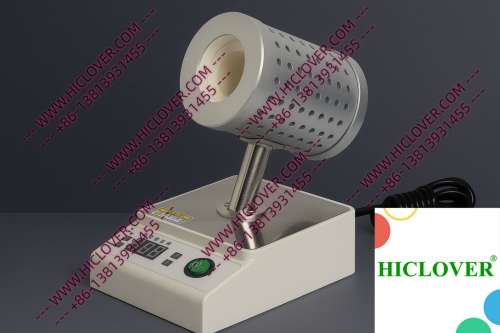
The Micro Incinerator operates on the principle of rapid thermal sterilization using infrared heat. This technology provides a cleaner and safer alternative to traditional flame sterilizers such as alcohol lamps and Bunsen burners. The device features an enclosed ceramic heating chamber that generates high temperatures necessary for disinfection.
Some key components of this sterilization equipment include:
- Ceramic Heating Element: Provides consistent and high-temperature disinfection without the open flame.
- Infrared Technology: Offers immediate heating and cooling capabilities, making it suitable for various laboratory workflows.
- Compact Design: Allows easy integration into limited workspace environments such as biosafety cabinets.
- Conformance to ISO standards regarding lab equipment.
- Use of sterilizers in compliance with regulatory bodies like OSHA and CDC.
- Eco-friendly operation by reducing the amount of flammable materials in the lab.
Applications of Micro Incinerators in Real Labs
Micro Incinerators have become integral tools in different lab settings, improving the sterilization workflow significantly. Below are two key scenarios where this technology proves pivotal:
Biosafety Cabinets
In BSL-2 and BSL-3 microbiology laboratories, maintaining contamination control is paramount. The Micro Incinerator is often used within biosafety cabinets, allowing researchers to sterilize inoculating tools without introducing any flames or aerosols. This not only adheres to biosafety regulations but also ensures that the sterile environment is not compromised during procedures.
Teaching Labs in Universities
University teaching laboratories benefit from using Micro Incinerators during laboratory courses involving microbiology. They provide students with hands-on experience in safe sterilization practices without the risks associated with traditional flame sterilizers. The instant readiness and safe handling of inoculating loops enhance the learning process.
Compliance and Environmental Considerations
Adhering to international biosafety standards is crucial for laboratories handling biological materials. Organizations such as the World Health Organization (WHO) emphasize the importance of employing sterilization equipment that minimizes hazards. Non-flame sterilizers are often recommended in clean rooms due to their ability to maintain an uncontaminated environment.
Further compliance highlights may include:
Micro Incinerator vs. Traditional Flame Sterilizers: A Comparative Analysis
| Feature | Micro Incinerator | Flame Sterilizers |
|---|---|---|
| Heating Method | Infrared | Open Flame |
| Safety | Reduced fire risk | Higher fire risk |
| Contamination Control | Aerosol-free | Potential aerosol generation |
| Setup and Use | Installs easily, ready in seconds | Requires more preparation |
| Cost Efficiency | Low operational costs | Fuel costs can add up |
Frequently Asked Questions About Micro Incinerators
What is the maximum temperature of a Micro Incinerator?
The Micro Incinerator can reach temperatures exceeding 800°C, providing adequate disinfection for various lab tools.
Can I use a Micro Incinerator in a biosafety cabinet?
Absolutely! The compact design and lack of an open flame make it ideal for use within biosafety cabinets.
How does a Micro Incinerator contribute to biosafety compliance?
By eliminating open flames and aerosol generation, the Micro Incinerator helps maintain sterile conditions in alignment with WHO and regulatory standards.
Is the Micro Incinerator suitable for field testing?
Yes, its portability and rapid heating capabilities make it an excellent choice for mobile laboratories or field testing environments.
What maintenance does a Micro Incinerator require?
Regular cleaning of the ceramic heating chamber and a periodic check of electrical components ensure optimal performance and longevity.
Conclusion: Elevate Your Laboratory with Reliable Sterilization Solutions
The adoption of the Micro Incinerator in microbiology labs marks a significant step towards safety, efficiency, and compliance. By transitioning from traditional flame sterilizers to infrared inoculating loop sterilizers, labs can optimize their workflows while adhering to stringent biosafety standards. For laboratories seeking to enhance their sterilization practices, investing in high-quality Micro Incinerators will provide a reliable and safe tool. Feel free to contact us for more information on acquiring these essential instruments for your lab!
Categories:
Tags: