
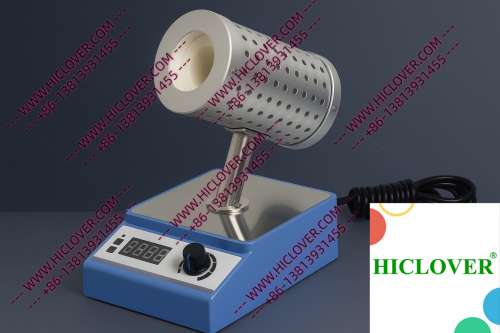
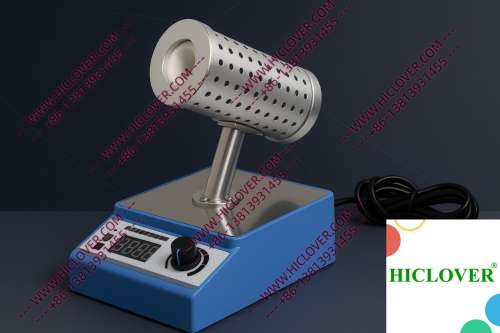
In the realm of laboratory operations, biosafety is a paramount concern. As research environments evolve, so do the challenges of maintaining sterility and contamination control. Traditional flame sterilizers, such as alcohol lamps and Bunsen burners, often introduce risks that modern laboratories aim to eliminate. Enter the Micro Incinerator or Infrared Inoculating Loop Sterilizer—an innovative solution designed to meet the stringent demands of laboratory sterilization.
The Need for Enhanced Sterilization Solutions
Laboratories, particularly BSL-2 and BSL-3 microbiology labs, are continually faced with the challenge of executing sterile procedures while managing aerosol generation and fire hazards. The necessity for reliable sterilization methods is particularly critical in environments such as:
- Clinical diagnostics
- University teaching labs
- Mobile or field testing labs
In these contexts, the ability to perform rapid thermal sterilization without compromising safety or efficacy is invaluable. The incorporation of advanced sterilization technologies provides not just adherence to practices, but a transformative approach to laboratory operations.
Technical Principles Behind the Micro Incinerator
The Micro Incinerator functions using infrared heat, which is generated within an enclosed ceramic tube. This design is pivotal, as it allows for high-temperature disinfection without the risks associated with open flames. The device produces a consistent temperature, capable of reaching up to 900°C (1652°F), ensuring rapid sterilization of inoculating loops and other small laboratory instruments.
Unlike traditional flame sterilizers, the focused infrared heat minimizes the risk of cross-contamination and enhances the safety of the operator. The enclosed chamber prevents the dispersion of aerosols, providing a clean-bench-safe environment ideal for sensitive applications.
Real-world Applications in Laboratories
Application Scenario 1: Biosafety Cabinets
In a typical biosafety cabinet setup in a university teaching lab, microbiology students often work with microbial cultures. The Micro Incinerator allows for immediate sterilization of inoculating loops post sampling, ensuring that no residual biological material is left to contaminate future tests. Its compact design facilitates easy integration into existing lab configurations, enhancing workflow efficiency without compromising compliance with biosafety standards.
Application Scenario 2: Mobile Field Testing Labs
Field testing labs, such as those deployed in remote areas for clinical research, require equipment that is both portable and reliable. The Micro Incinerator serves as an ideal tool in these settings, enabling users to perform sterilizations without the need for traditional flame sources. This is particularly significant in locations where managing fuel and fire risks is a concern, offering a safe and portable solution for on-the-go sterilization tasks.
Compliance and Environmental Considerations
As laboratory sterilization practices evolve, adherence to established standards is crucial. The World Health Organization (WHO) lays down critical biosafety guidelines that laboratories must uphold, particularly regarding sterilization methods. In many regions, such as Europe and North America, regulations specify that open flames must be eliminated in clean rooms to avoid contamination.
Choosing a Micro Incinerator not only aligns with these standards but also contributes to a safer laboratory environment. The elimination of flame-based sterilizers reduces fire hazards and promotes greater compliance with regulatory requirements, ultimately safeguarding both personnel and experimental integrity.
Comparison Table: Micro Incinerator vs. Traditional Flame Burners
| Feature | Micro Incinerator | Flame Sterilizers |
|---|---|---|
| Temperature Consistency | Up to 900°C; stable | Variable; dependent on fuel |
| Aerosol Generation | Minimal | High |
| Safety | No open flames; low risk | High risk; fire hazards |
| Ease of Use | Simple operation | Requires flame management |
| Environmental Impact | Lower emissions | Higher emissions |
Frequently Asked Questions (FAQs)
1. What is the operational lifespan of a Micro Incinerator?
The Micro Incinerator typically boasts a lifespan of several years, provided it is maintained correctly and used according to the manufacturer’s recommendations.
2. How does the Micro Incinerator reduce contamination risks?
By utilizing infrared heat in an enclosed ceramic setting, it prevents the open flames that can create aerosols or ignite surrounding materials, thus significantly reducing contamination risks.
3. Can the Micro Incinerator be used in field conditions?
Yes, it is designed to be portable and efficient, making it suitable for field testing labs.
4. Is the Micro Incinerator compliant with international biosafety standards?
Absolutely, it meets regulatory requirements set forth by entities like the WHO for effective sterilization and biosafety measures.
5. How does this device compare to traditional flame sterilizers?
It offers greater safety, reduced contamination risk, and more efficient operational capabilities when compared to traditional methods.
Conclusion
For laboratory professionals looking to enhance their sterilization workflow while prioritizing safety, the Micro Incinerator/Infrared Inoculating Loop Sterilizer presents a compelling option. Its innovative features, coupled with significant compliance advantages, make it a wise investment for modern laboratories. Contact us today to learn more about how our cutting-edge sterilization solutions can transform your lab’s operational efficiency and safety standards.
Categories:
Tags: