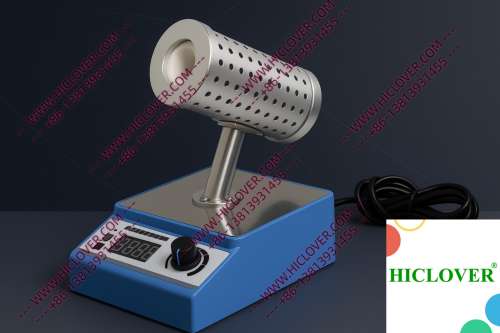
As Karachi’s biotech sector continues to thrive, laboratory biosafety challenges become increasingly relevant. With a multitude of research activities ranging from genetic analysis to microbiological testing, the demand for effective sterilization solutions is paramount. In this context, the Micro Incinerator, or Infrared Inoculating Loop Sterilizer, stands out as a reliable alternative to traditional flame-based sterilization methods.
The Challenges of Laboratory Sterilization
Laboratories in Karachi face significant biosafety risks due to the potential for microbial contamination. Conventional sterilization techniques, such as alcohol lamps and Bunsen burners, can produce open flames and aerosols, posing hazards in sensitive environments. Furthermore, these methods may not provide adequate control over sterilization parameters, leading to inefficiencies and increased risk of contamination.
Technical Principles of the Micro Incinerator
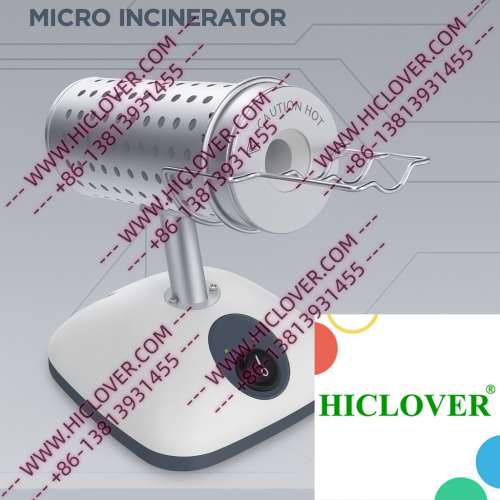
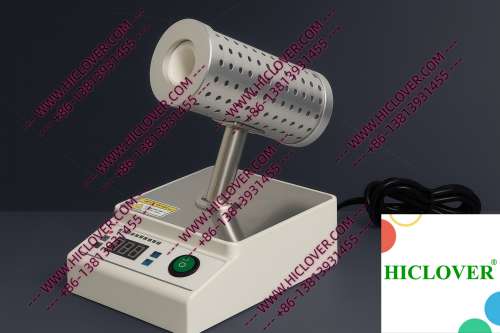
The Micro Incinerator operates on the principle of rapid thermal sterilization through infrared heating. Its enclosed ceramic heating chamber provides consistent high-temperature disinfection, allowing for effective sterilization of inoculating loops, needles, and other lab instruments. The infrared feature accelerates the heating process, enabling quick turnarounds in busy laboratories while ensuring that the sterilization is both thorough and reliable. This modern technology also eliminates the risk of airborne pathogens, making it ideal for various laboratory settings, including BSL-2 and BSL-3 labs.
Applications of Micro Incinerators
- Biosafety Cabinets: Within biosafety cabinets, the use of Micro Incinerators ensures an aerosol-free environment, enhancing the safety of personnel while manipulating pathogens.
- University Teaching Labs: In educational institutions, Micro Incinerators are ideal for teaching sterilization techniques without the risks associated with traditional flame sources.
- Field Testing Labs: In mobile or field testing environments, these sterilizers provide an effective means of sterilization in situ, where the use of flames may not be practical or safe.
Compliance with Biosafety Standards
Aligning with global biosafety standards, such as those outlined by the World Health Organization (WHO), is critical for laboratories. Micro Incinerators contribute to compliance with these regulations by minimizing risks associated with open flames and providing efficient sterilization. In cleanroom environments, where maintaining sterile conditions is vital, the absence of flames decreases the chance of contamination and supports standardized protocols.
Moreover, the adoption of infrared sterilization complies with lab sterilization standards that mandate controlled heating processes. It eliminates the hazards associated with flame handling, thereby enhancing lab safety protocols significantly.
Comparison: Micro Incinerator vs. Traditional Flame Burners
| Feature | Micro Incinerator | Flame Burners |
|---|---|---|
| Heating Method | Infrared Heating | Open Flame |
| Contamination Control | Aerosol-Free | Possible Aerosols |
| Safety | Safe for Clean Rooms | Hazardous if Mismanaged |
| Rapid Sterilization | Yes | No |
| Application Versatility | Lab & Field Use | Mostly Lab |
Frequently Asked Questions
1. How does the Micro Incinerator ensure safety in laboratories?
The Micro Incinerator uses infrared heating, eliminating the need for open flames, thus minimizing the risk of fires and aerosol contamination.
2. Is the Micro Incinerator suitable for all types of labs?
Yes, it is designed for versatility and can be utilized in BSL-2, BSL-3, clinical diagnostics, and educational labs.
3. What maintenance is required for the Micro Incinerator?
Regular cleaning of the ceramic heating chamber is recommended to maintain optimal performance and sterilization efficacy.
4. Can the Micro Incinerator be used in field conditions?
Absolutely, its portable design makes it effective for mobile and field applications where traditional sterilization methods are impractical.
5. What makes the Micro Incinerator a better choice compared to flame sterilizers?
Its rapid thermal sterilization capability, lack of flame, and reduced risk of contamination make it a superior option for modern laboratories.
Conclusion
In summary, as Karachi’s biotech sector continues to develop, the need for effective sterilization solutions like the Micro Incinerator becomes increasingly critical. With its innovative technology, enhanced safety features, and compliance with biosafety standards, it offers a reliable alternative to traditional flame-based methods. For laboratory supply distributors, hospitals, universities, and research centers looking to improve their sterilization workflows and ensure biosafety, investing in a Micro Incinerator is a forward-thinking decision. Contact us today to learn more about how our infrared inoculating loop sterilizers can enhance your laboratory’s capabilities.
Categories:
Tags: