
In today’s fast-paced scientific environment, laboratories face considerable challenges surrounding biosafety and contamination control. The demand for reliable and quick sterilization of inoculating loops and other laboratory tools is paramount, particularly in environments dealing with sensitive microbiological cultures. Among the most effective tools in this sterilization arsenal is the Micro Incinerator or Infrared Inoculating Loop Sterilizer.
Understanding the Technical Principles
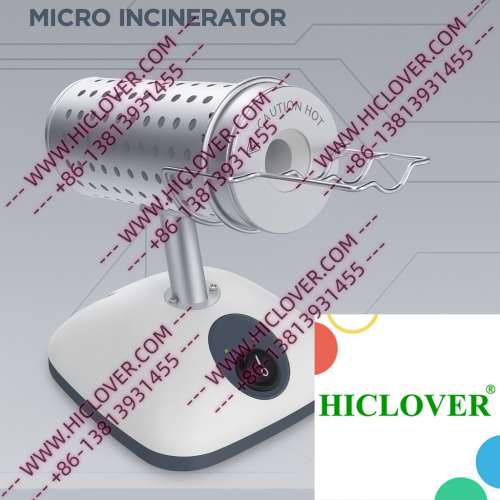
The Micro Incinerator leverages the principle of rapid thermal sterilization using infrared heat. Inside its enclosed ceramic heating chamber, temperatures can reach up to 800°C, ensuring effective elimination of microbial life within seconds. Unlike traditional flame-based sterilizers, such as alcohol lamps or Bunsen burners, the infrared sterilizers emit no flames or harmful aerosols, making them a safer choice for clean-bench environments.
Configuration Advantages Over Traditional Flame Sterilizers
The advantages of the Micro Incinerator are numerous:
- Aerosol-free handling: Reduces contamination risks associated with flame-induced aerosols.
- Time efficiency: Immediate heat application means no waiting for the tool to reach an effective sterilization temperature.
- Ease of use: Simplified operation allows for quick adaptation by laboratory personnel, minimizing training time.
These features make the Micro Incinerator particularly suitable for BSL-2 and BSL-3 microbiology labs, university teaching labs, as well as mobile or field testing environments.
Practical Applications in Real Labs
1. University Teaching Labs
In an academic setting, maintaining sterile conditions is vital when working with various microbial cultures. The Micro Incinerator helps students learn crucial microbiological techniques in a safe manner by providing instant sterilization without risk of flare-related burns or ventilation issues that come with flames. Its compact size means it fits conveniently within the sterile workspace of a biosafety cabinet without overcrowding.
2. Field Testing in Remote Areas
Field testing presents unique challenges, including unstable power supply and outdoor conditions where traditional flame sterilizers may pose a fire risk. The portability and rapid efficiency of the infrared inoculating loop sterilizer allow researchers to conduct sampling or testing in various environments while ensuring that contamination-free cultures are maintained. For instance, researchers conducting environmental microbiology studies in the Amazon rainforest can rely on this technology for their sterilization needs.
Biosafety Compliance and Environmental Considerations
Laboratory sterilization equipment must adhere to stringent biosafety standards, as outlined by organizations such as the World Health Organization (WHO). For clean rooms, it is essential to avoid flame as a method of sterilization due to particulate generation. Infrared sterilizers not only meet these compliance requirements but also support laboratory safety protocols by minimizing the risks associated with open flames.
Globally, strict laboratory sterilization standards promote the use of tools that reduce contamination risks while preserving environmental integrity. With newer sterilization technologies like the Micro Incinerator, laboratories can effectively comply with these guidelines.
Comparison Overview: Micro Incinerator vs. Flame Burners
| Feature | Micro Incinerator | Flame Burners |
|---|---|---|
| Temperature Control | Consistent, high-temperature infrared | Variable, dependent on user skill |
| Safety | Flame-free operation | Fire hazard, aerosol generation |
| Efficiency | Instant heat with no preheating | Delay in igniting and achieving temperature |
| Portability | Lightweight and compact | Bulky, often requires more setup space |
FAQs
What is the primary advantage of using a Micro Incinerator compared to traditional flame sterilizers?
The primary advantage lies in its capability for rapid thermal sterilization without the risks associated with open flames, such as fire hazards and aerosol generation.
Can a Micro Incinerator be used in BSL-3 labs?
Yes, its design meets the necessary biosafety standards for BSL-3 laboratories, providing a safe method for sterilizing inoculating tools.
What maintenance does a Micro Incinerator require?
Minimal maintenance is needed, primarily focused on cleaning the ceramic chamber and ensuring the device is stored safely when not in use.
How long does it take to sterilize an inoculating loop?
Typically, sterilization occurs within seconds, providing a quick turnaround for laboratory workflows and minimizing wait times.
Is the Micro Incinerator suitable for field research?
Yes, its compact, portable design allows researchers to utilize it effectively in various field settings while ensuring contamination-free cultures.
Conclusion
As biosafety and contamination control become increasingly critical in laboratory environments, choosing the right sterilization equipment is essential. The Micro Incinerator / Infrared Inoculating Loop Sterilizer stands out with its rapid thermal sterilization capabilities, ensuring effective results while adhering to stringent safety and compliance standards. If you are ready to enhance your laboratory’s sterilization practices, reach out to us today for further information or to make a purchase.
Categories:
Tags: