
In modern laboratories, maintaining sterile conditions is paramount to prevent contamination and ensure the integrity of scientific results. The biosafety challenges and sterilization workflow demands faced by laboratories are increasingly complex. Traditional flame sterilizers, such as alcohol lamps and Bunsen burners, can introduce risks of contamination, expose staff to harmful aerosols, and pose fire hazards. This is where clean bench heating sterilizers, particularly the Micro Incinerator or Infrared Inoculating Loop Sterilizer, come into play.
The Technical Principle: How Micro Incinerators Work
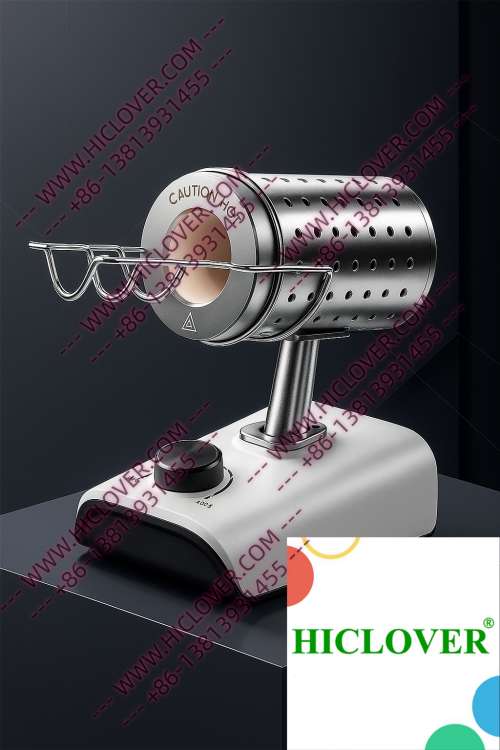
The Micro Incinerator utilizes infrared heat to deliver rapid thermal sterilization, providing a clean and efficient way to eliminate contamination on inoculating loops, needles, and other laboratory instruments. The enclosed ceramic heating chamber enables the generation of high temperatures without open flames, minimizing the risk of hazardous aerosols or spills that are typically associated with flame sterilizers.
By achieving and maintaining consistent sterilization temperatures, these devices ensure that the sterilization process is thorough and effective. The infrared heating technology significantly reduces wait times between sterilization cycles because the heat is directly applied to the tools, making the process faster and more efficient.
Application Scenarios in Real Labs
Biosafety Cabinet Usage
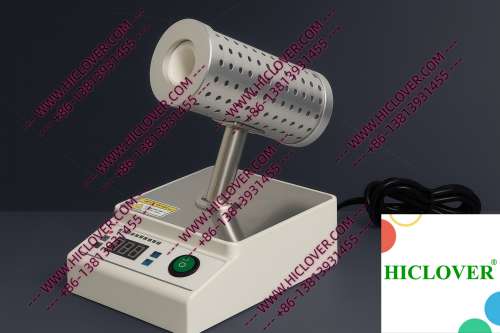
In BSL-2 and BSL-3 microbiology labs, where strict biosafety protocols are followed, the use of clean bench heating sterilizers is crucial. When working inside a biosafety cabinet, researchers can utilize Micro Incinerators to sterilize tools instantly while causing no disruption to the filtered airflow. This ensures that the sterile environment remains intact, preventing the escape of potentially harmful pathogens.
Field Testing Applications
Mobile or field testing labs also benefit significantly from the Micro Incinerator. For instance, during clinical diagnostics in remote settings, researchers often face obstacles, such as lack of power sources or open flames. The compact, portable design of the infrared inoculating loop sterilizer allows for efficient on-site sterilization without compromising safety. It fosters contamination control even in challenging environments, ensuring reliable data collection processes.
Compliance and Safety Standards
Compliance with global biosafety standards is essential for laboratories functioning within the WHO framework. The Micro Incinerator offers a solution that adheres to stringent lab sterilization standards by eliminating the use of open flames. This is especially important in cleanrooms, where flames can introduce unwanted variables into sensitive experiments and potentially ignite hazardous materials.
By transitioning to a flame-free sterilization method, labs can not only enhance safety but also demonstrate compliance with various regulatory bodies’ guidelines concerning contamination control. Furthermore, this technology aligns with environmental preservation goals by reducing the need for alcohol-based products, which can contribute to waste.
Comparative Analysis: Micro Incinerator vs. Flame Burners
| Features | Micro Incinerator | Traditional Flame Burners |
|---|---|---|
| Heating Method | Infrared | Open Flame |
| Speed | Rapid Thermal Sterilization | Variable |
| Contamination Control | High (No Aerosols) | Low (Aerosol Generation) |
| Safety | Flame-Free | Fire Hazard |
| Portability | Portable | Not Suitable for Field Use |
Frequently Asked Questions
- What are the benefits of using a Micro Incinerator over a traditional flame sterilizer? Micro Incinerators provide rapid thermal sterilization without the risk of fire hazards or contamination from aerosols.
- Can I use a Micro Incinerator in a BSL-3 lab? Yes, these sterilizers are ideal for use in BSL-3 labs where biosafety and contamination control are critical.
- Are Micro Incinerators portable for field use? Yes, one of the primary advantages is their compact design, making them perfect for mobile or field testing labs.
- How does the sterilization time compare to traditional methods? Micro Incinerators significantly reduce sterilization time due to direct infrared heating, which accelerates the process.
- What compliance standards do Micro Incinerators meet? They adhere to WHO biosafety standards and lab sterilization regulations by operating efficiently in clean environments.
Conclusion
In summary, the Micro Incinerator or Infrared Inoculating Loop Sterilizer proves to be an essential asset in modern laboratory settings. Its innovative technology alleviates the risks associated with traditional flame sterilizers, providing a safe and efficient alternative that meets compliance standards. If you’re considering upgrading your lab sterilization equipment or need more information about how these devices can fit into your workflow, please reach out to our experts today! Your journey toward enhanced laboratory safety and efficiency starts here.
Categories:
Tags: