
In today’s rapidly advancing scientific landscape, the need for effective laboratory biosafety measures cannot be overstated. Laboratories face various biosafety challenges, particularly in managing contamination during sample testing and microorganism handling. The emergence of advanced sterilization technologies, such as Micro Incinerators and Infrared Inoculating Loop Sterilizers, has revolutionized the way labs approach sterilization workflows, ensuring both safety and efficiency.
The Technical Principles of Loop Sterilization
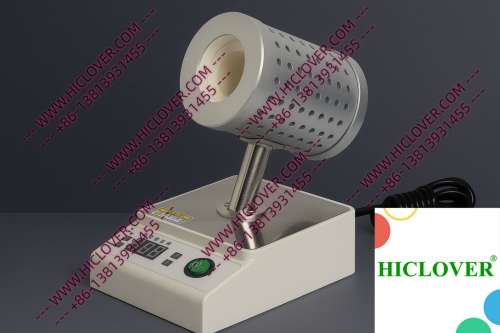
The core principle of loop sterilization with Micro Incinerators lies in rapid thermal sterilization. These devices utilize infrared heat generated within an enclosed ceramic tube to eliminate microorganisms. The infrared heating element quickly raises temperatures to over 800°C, providing a high-temperature disinfection solution that is both effective and safe. Unlike traditional flame sterilizers, these systems are clean-bench-safe and eliminate the risks associated with open flames, such as burns or uncontrolled fires.
The configuration of an Infrared Inoculating Loop Sterilizer features a compact design that is efficient and easy to operate. With a dedicated ceramic heating chamber, users can achieve ideal sterilization of inoculating loops and other tools in mere seconds, significantly reducing waiting times compared to traditional methods.
Application Scenarios in Real Labs
1. Biosafety Cabinets in BSL-2 and BSL-3 Labs
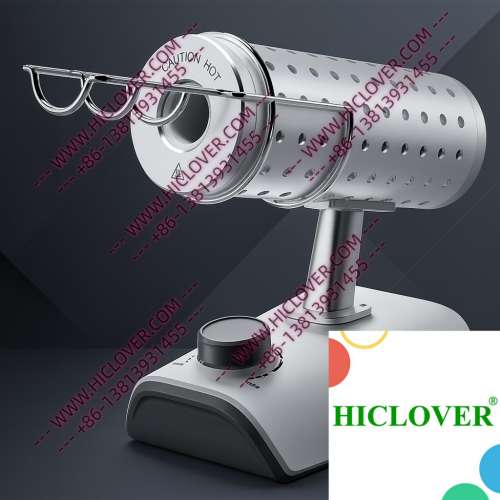
In BSL-2 and BSL-3 microbiology laboratories, effective sterilization is paramount. In these environments, the risk of exposure to pathogenic organisms requires that all sterilization procedures minimize aerosol production and cross-contamination. Using a Micro Incinerator enhances the safety of biosafety cabinet operations by allowing users to sterilize loops without an open flame, reducing the potential for aerosol contamination during microbiological work.
2. Teaching Labs and University Settings
At university teaching labs, hands-on learning is critical for students studying microbiology and related fields. Incorporating Micro Incinerators into the teaching curriculum offers students a modern approach to sterilization techniques, promoting safe practices from the outset. As they engage in laboratory exercises, they learn the importance of effective contamination control while experiencing first-hand the benefits of technology, such as rapid sterilization times and ease of use.
Compliance with Biosafety Standards
Adhering to international and local biosafety standards is a fundamental requirement for laboratories. The World Health Organization’s (WHO) biosafety guidelines emphasize the need for laboratories to minimize contamination risks. For instance, labs must follow sterilization protocols for handling biological materials, including the use of no-flame sterilizers in cleanrooms. Infrared Inoculating Loop Sterilizers meet these critical criteria, offering a compliant alternative to traditional flame-based systems.
Moreover, institutions operating in Cairo must adhere to compliance regulations set forth by relevant local health authorities, ensuring that their lab sterilization methods align with safe operating practices. The benefits of implementing Micro Incinerators extend beyond efficiency—they also foster a safer working environment compliant with established guidelines.
Advantages Over Traditional Flame Sterilizers
When comparing Micro Incinerators to traditional flame sterilizers, several advantages become evident:
- Rapid Sterilization: Micro Incinerators deliver sterilization in less than 10 seconds, outperforming alcohol lamps and Bunsen burners.
- No Flame Risk: These systems eliminate fire hazards, making them suitable for clean environments.
- Improved Safety: Users experience lower risks of burns and gas exposure, essential in sensitive lab settings.
- Cleanroom Compliance: Infrared sterilizers meet strict cleanroom standards, ensuring a sterile environment.
Comparison Table: Micro Incinerator vs. Traditional Flame Sterilizers
| Feature | Micro Incinerator | Traditional Flame Sterilizers |
|---|---|---|
| Sterilization Time | Under 10 seconds | Variable (up to 30 seconds) |
| Risk of Flame | No | Yes |
| Ease of Use | Highly user-friendly | Requires careful handling |
| Compliance | Meets cleanroom standards | Limited |
Frequently Asked Questions (FAQs)
- What is the optimal temperature for sterilization using a Micro Incinerator?
The optimal sterilization temperature typically exceeds 800°C, allowing for rapid and thorough disinfection of tools. - How long does it take to sterilize an inoculating loop?
Micro Incinerators sterilize inoculating loops in under 10 seconds, enhancing workflow efficiency. - Are there any specific applications where Micro Incinerators are not recommended?
While versatile, they are less suitable in scenarios where very large volumes of tools must be sterilized simultaneously. - Can Micro Incinerators be used in field testing labs?
Yes, their portability and efficiency make them ideal for mobile labs requiring quick sterilization solutions on-site. - Do these devices comply with WHO biosafety standards?
Absolutely! They are designed to meet stringent biosafety regulations, making them a reliable choice for laboratories.
Conclusion
As laboratories in Cairo and beyond continuously strive for higher standards of safety and efficiency, the adoption of advanced sterilization technologies like Micro Incinerators becomes imperative. These devices not only enhance the sterilization process but also align with contemporary biosafety standards, ensuring a secure working environment. If you are ready to elevate your lab operations with cutting-edge sterility solutions, contact us today to learn more about our Micro Incinerator / Infrared Inoculating Loop Sterilizer offerings. Your journey towards an efficient and reliable lab begins here!
Categories:
Tags: