
Laboratories today grapple with numerous biosafety challenges, from contamination risk in BSL-2 / BSL-3 microbiology labs to the demands of stringent sterilization workflows. Traditional methods, such as alcohol lamps and Bunsen burners, while widely utilized for sterilization, pose significant risks—including open flames, hazardous fumes, and user safety concerns. Fortunately, modern innovations in lab sterilization equipment have paved the way for safer alternatives like the Micro Incinerator / Infrared Inoculating Loop Sterilizer.
Understanding the Micro Incinerator
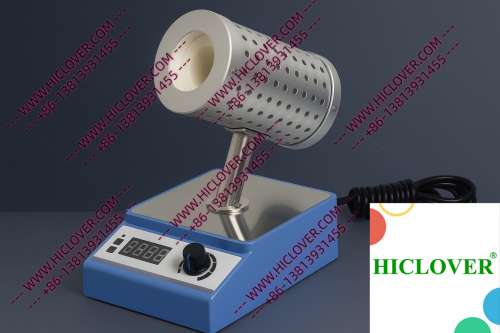
The Micro Incinerator represents a groundbreaking shift in sterilization technology. Utilizing the principle of infrared heat, this device operates by rapidly heating its enclosed ceramic tube to high temperatures, achieving efficient disinfection in a matter of seconds. Unlike traditional flame methods, the infrared high-temperature disinfection provided by the Micro Incinerator eliminates the hazards associated with open flames, making it a clean-bench-safe option for laboratories.
- Rapid Thermal Sterilization: Achieves peak temperature quickly, reducing downtime.
- Contamination Control: Minimizes aerosol generation, preventing cross-contamination.
- Ergonomic Design: User-friendly configuration allows for easy integration into existing workflows.
Applications of Micro Incinerator in Different Settings
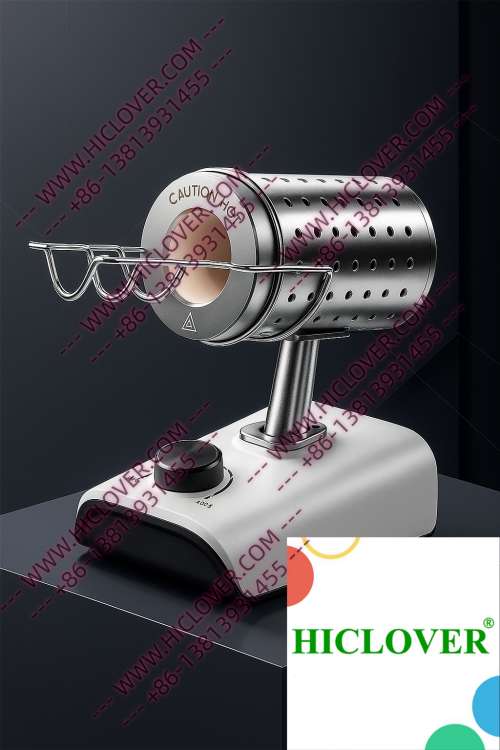
The Micro Incinerator is versatile and applicable in various laboratory settings. Here are two illustrative scenarios for its use:
1. University Teaching Labs
In educational settings, where students are keen on learning sterile techniques, the Micro Incinerator serves as an ideal sterilization tool. As students conduct experiments involving microbial cultures, the device allows for safe handling of inoculating loops and other instruments, promoting best practices in contamination control without the risks associated with flames.
2. Clinical Diagnostics
In clinical laboratories, especially those adhering to WHO biosafety standards, the Micro Incinerator is crucial. Its ability to provide sterilization without fumes or aerosols maintains a clean environment, essential for accurate diagnostics and patient safety. Moreover, its compact design is compatible with biosafety cabinets, enhancing its usability in highly sensitive testing situations.
Compliance and Environmental Considerations
When it comes to laboratory operations, compliance with established biosafety standards is non-negotiable. The WHO provides guidelines that emphasize the necessity of eliminating open flames in clean rooms to maintain sterility and prevent contamination. Traditional sterilization methods, like alcohol lamps, are often contraindicated in these settings due to their inherent risks. The Micro Incinerator not only meets these growing safety standards but also aligns with laboratory sterilization protocols, making it a responsible choice for laboratories looking to enhance their biosafety measures.
Comparison Table: Micro Incinerator vs. Flame Burners
| Feature | Micro Incinerator | Alcohol Lamp / Bunsen Burner |
|---|---|---|
| Open Flame | No | Yes |
| Aerosol Generation | No | Yes |
| Temperature Control | Precise | Variable |
| Ease of Use | High | Moderate |
| Integration in Clean Rooms | Ideal | Not Recommended |
FAQs
- What are the benefits of using a Micro Incinerator over an alcohol lamp?
The Micro Incinerator provides safer, flame-free sterilization, reduces contamination risks, and ensures compliance with biosafety standards. - Can the Micro Incinerator be used in field settings?
Yes, its portability and efficiency make it suitable for mobile labs and field testing environments. - How does the infrared technology work in a Micro Incinerator?
The infrared heating element rapidly raises the temperature of the enclosed ceramic tube, effectively sterilizing instruments within seconds. - Is the Micro Incinerator compliant with international safety standards?
Yes, it adheres to WHO biosafety guidelines and other local lab sterilization protocols. - What are typical applications for the Micro Incinerator?
It’s widely used in university teaching labs, clinical diagnostics, and any BSL-2 or BSL-3 laboratories.
Conclusion
Transitioning from traditional methods like alcohol lamps to advanced sterilization equipment such as the Micro Incinerator not only enhances laboratory efficiency but also prioritizes safety and compliance. With its innovative design and multiple applications across varying lab environments, the Micro Incinerator stands out as an essential tool in modern biosafety practices. If you’re interested in integrating this effective solution into your laboratory or learning more about its advantages, we encourage you to reach out today!
Categories:
Tags: