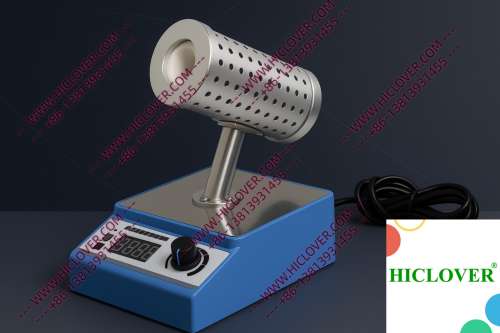
Laboratory environments are increasingly faced with the challenges of biosafety and contamination control. From academic research facilities to clinical diagnostics centers, the need for effective sterilization systems cannot be overstated. Traditional flame sterilizers, such as alcohol lamps and Bunsen burners, have been staples in laboratories for decades. However, as the demand for improved safety protocols and workflow efficiency rises, a new generation of sterilization equipment has emerged—the Micro Incinerator, or Infrared Inoculating Loop Sterilizer. This article will explore the evolution of sterilization systems, highlighting the advantages of advanced devices like the Micro Incinerator, their operation principles, applications, compliance factors, and more.
Understanding the Technical Principles
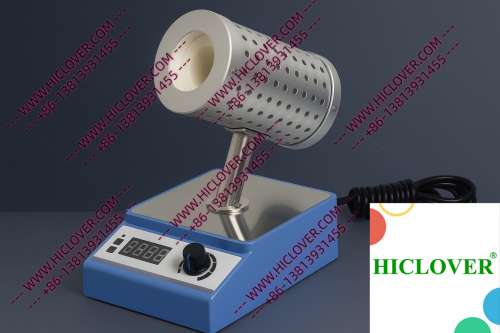
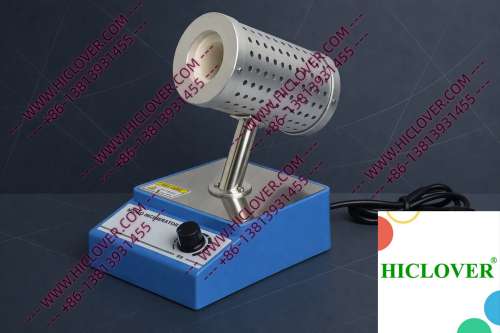
The Micro Incinerator operates utilizing advanced infrared heating technology. It features an enclosed ceramic heating chamber, providing rapid thermal sterilization while ensuring safety and efficiency. Unlike open flames, infrared heat targets specific instruments without compromising surrounding surfaces or creating aerosols, making it clean-bench safe. This system reaches high temperatures within seconds, allowing for quick sterilization of inoculating loops, needles, and other lab instruments.
Beyond the Laboratory: Real-World Applications
In practical laboratory settings, sterilization needs can vary dramatically. Below are two scenarios that exemplify the utility of Micro Incinerators in diverse laboratory environments:
- Biosafety Cabinets: Many microbiology labs operate under BSL-2 / BSL-3 conditions, where the risk of contamination is heightened. Micro Incinerators can be strategically placed within biosafety cabinets to ensure that tools remain sterile while preventing any rise in bioaerosol generation.
- University Teaching Labs: Educational institutions are in constant need of reliable sterilization methods. Micro Incinerators offer students an efficient, flame-free way to sterilize their loops and blades, fostering best practices in laboratory safety from the outset.
Compliance and Environmental Considerations
The use of Micro Incinerators supports compliance with global biosafety standards, such as those outlined by the World Health Organization (WHO). They significantly reduce the risk of fire hazards prevalent with flame sterilizers, which can be detrimental in clean room environments and sensitive laboratory settings. Additionally, compliance with local regulations—such as those mandated in the European Union concerning laboratory equipment—further emphasizes the importance of adopting flame-free sterilization technologies. Laboratories in cities like London, Berlin, or New York must adhere to stringent standards for both biosafety and environmental impact, which the Micro Incinerator effectively meets.
Advantages Over Traditional Flame Sterilizers
The advantages of the Micro Incinerator compared to traditional flame sterilizers are significant:
| Feature | Micro Incinerator | Flame Sterilizers |
|---|---|---|
| Heat Source | Infrared, enclosed | Open flame |
| Safety | Minimal risk of fire hazards | High risk of fire and burns |
| Time to Sterilization | Rapid (seconds) | Variable (dependent on flame conditions) |
| Workflow Impact | Streamlined, aerosol-free | Potential interruptions and safety concerns |
Frequently Asked Questions
1. How does the Micro Incinerator effectively sterilize instruments?
By using infrared heat, the Micro Incinerator rapidly raises the temperature of instruments, ensuring complete sterilization without the risks associated with open flames.
2. Is the Micro Incinerator compliant with WHO biosafety standards?
Yes, the Micro Incinerator meets stringent WHO guidelines and is ideal for use in both BSL-2 and BSL-3 labs.
3. Can it be used in field testing labs?
Absolutely! The Micro Incinerator is portable and well-suited for mobile labs that require efficient sterilization without the need for fire safety protocols.
4. What types of instruments can I sterilize with a Micro Incinerator?
Commonly used for inoculating loops, needles, and other metal instruments, the Micro Incinerator accommodates a range of laboratory tools.
5. Are there any environmental benefits of using a Micro Incinerator?
Yes, the enclosed ceramic design minimizes heat loss and reduces emissions, aligning with sustainable lab practices while enhancing biosafety.
Conclusion: An Evolution in Lab Practices
The transition from traditional flame sterilizers to advanced systems like the Micro Incinerator reflects the evolving standards of laboratory practice. As laboratories confront increasing biosafety challenges, innovative technologies provide safer, more efficient solutions for sterilization. If you’re ready to upgrade your lab sterilization equipment, consider the Micro Incinerator as your go-to solution for rapid thermal sterilization and contamination control. For more information on how to equip your lab with this technology, feel free to reach out today!
Categories:
Tags: