
In the ever-evolving landscape of scientific research, laboratory biosafety challenges necessitate rigorous sterilization workflows. The imperative for contamination control and rapid thermal sterilization methods has led to an increasing reliance on effective laboratory sterilization equipment. Among these, the Micro Incinerator, also known as the Infrared Inoculating Loop Sterilizer, stands out as a preferred choice for modern labs striving for optimal safety and efficiency.
The Technical Principle Behind Micro Incinerators
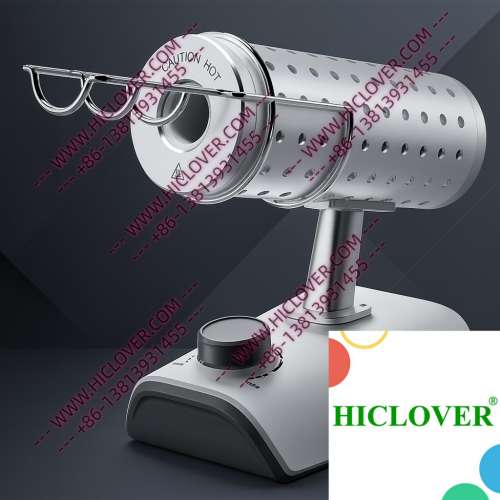
Micro Incinerators utilize infrared heat technology in a compact design to achieve high-temperature disinfection. The core component, an enclosed ceramic tube, contains the heating element which rapidly generates thermal energy. Unlike traditional flame sterilizers such as alcohol lamps or Bunsen burners, this design offers a clean, flame-free environment, crucial for working within biosafety cabinets and clean rooms.
- High-Temperature Disinfection: Operating temperatures can exceed 800°C, ensuring complete sterilization of inoculating loops.
- Aerosol-Free Handling: The enclosed heating chamber minimizes aerosol generation, providing added safety for laboratory personnel.
- Compact and Portable: Light-weight and portable, these sterilizers can easily fit into varied laboratory spaces.
Real-World Applications of Micro Incinerators
Application Scenario 1: University Teaching Labs
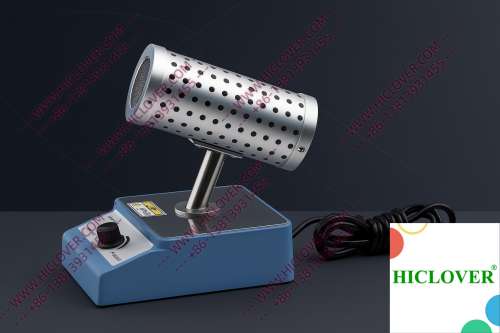
In university teaching labs, the need for safe and effective sterilization is paramount. When students are working with microbial cultures, the risk of contamination is high. Utilizing Micro Incinerators allows instructors to demonstrate proper sterilization techniques while maintaining a clean bench-safe environment. The rapid preheating and immediate cooling capabilities enable seamless transitions between experiments, enhancing the learning experience.
Application Scenario 2: BSL-3 Microbiology Labs
In BSL-3 laboratories, where the handling of pathogenic organisms is routine, sterilization protocols are critical. The installation of Micro Incinerators in biosafety cabinets ensures that inoculating loops are quickly sterilized without the risk of flame exposure. This compliance with safety regulations eliminates the potential for accidental infections, adhering to guidelines set forth by both WHO biosafety standards and laboratory sterilization protocols.
Compliance and Environmental Considerations
Laboratory environments must adhere to strict sterilization standards to ensure the safety of researchers and the integrity of experiments. The WHO biosafety guidelines outline protocols for handling biohazardous materials, emphasizing the importance of effective sterilization methods. Furthermore, traditional flame sterilizers pose risks, such as flammable materials coming into contact with open flames, which is strictly prohibited in clean rooms and areas where explosive hazards might exist.
By opting for Micro Incinerators, laboratories can maintain compliance while significantly reducing the risk of fire hazards and contamination. As various regions, including Europe and North America, adopt stringent regulations for laboratory operations, the Micro Incinerator presents an invaluable solution.
| Feature | Micro Incinerator | Flame Burners |
|---|---|---|
| Flame-Free Operation | Yes | No |
| Preheating Time | Instant | Variable |
| Contamination Risk | Minimal | Higher |
| Portability | High | Medium |
| Maintenance Requirement | Low | Higher |
Frequently Asked Questions (FAQs)
What are the benefits of using a Micro Incinerator over traditional flame sterilizers?
Micro Incinerators provide safer, flame-free operation, reduce the risk of contamination, and allow instant sterilization of inoculating loops. They require less maintenance compared to flame sterilizers.
Can Micro Incinerators be used in field testing environments?
Yes, their compact and portable design makes them suitable for field testing situations, ensuring that sterilization protocols can be effectively maintained outside traditional lab settings.
What precautions should be taken when using a Micro Incinerator?
While Micro Incinerators are generally safer than traditional methods, it is recommended to follow all manufacturer guidelines, use in well-ventilated areas, and wear appropriate personal protective equipment (PPE).
How long does it take to sterilize an inoculating loop with a Micro Incinerator?
The sterilization process can be achieved in seconds, allowing for a rapid turnaround between samples, which is particularly advantageous in high-throughput laboratory settings.
Is it true that Micro Incinerators are more environmentally friendly?
Absolutely. Since they do not produce open flames or smoke, they contribute to a cleaner lab atmosphere, aligning with environmental regulations that prioritize safety and sustainability.
Conclusion
As laboratories continue to prioritize safety, efficiency, and compliance, investing in a Micro Incinerator or Infrared Inoculating Loop Sterilizer provides a multifaceted solution to ongoing sterilization challenges in various research settings. Enhanced safety, quick sterilization, and reduced contamination risks make the Micro Incinerator a vital component in the toolkit of any modern laboratory. For more information or to discuss your needs, don’t hesitate to connect with us today!
Categories:
Tags: