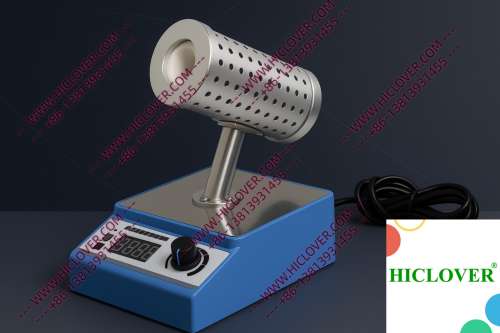
The sterilization of laboratory instruments is one of the most critical aspects of laboratory biosafety. In environments ranging from BSL-2 microbiology labs to clinical diagnostics, the need for effective contamination control is paramount. Challenges often arise in workflow demands, particularly when traditional flame sterilizers such as alcohol lamps and Bunsen burners present safety risks, inefficiencies, and difficulties in maintaining a clean environment. This article dives into the lifecycle of sterilization instruments, focusing on the remarkable advantages of Micro Incinerators and Infrared Inoculating Loop Sterilizers.
The Technical Principle Explained: Infrared Thermodynamics
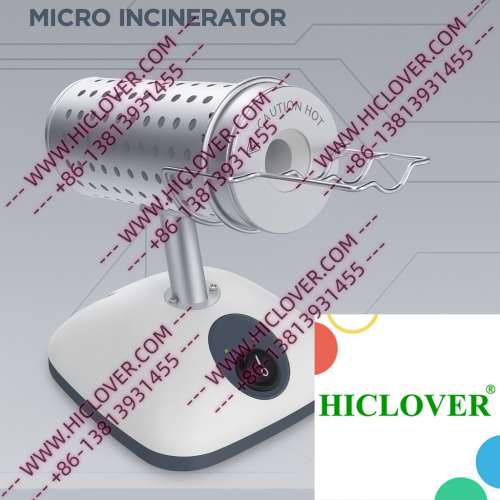
The core functionality of a Micro Incinerator, or Infrared Inoculating Loop Sterilizer, lies in its ability to deliver rapid thermal sterilization through infrared heat. Unlike conventional flame sources, this technology employs an enclosed ceramic tube that heats to high temperatures swiftly, ensuring thorough disinfection of the inoculating loop or metal instruments. This process occurs in a clean bench-safe environment, minimizing the risk of aerosol generation during sterilization.
The infrared heating mechanism showcases several advantages: minimal warm-up time, consistent temperature control, and a design that is inherently safer than open flames. It eliminates the risk of fire hazards and ensures that heat is applied uniformly, improving the reliability of sterilization efforts.
Applications: Practical Usage in Various Labs
Biosafety Cabinets
In BSL-2 or BSL-3 labs, the control of airborne pathogens and contamination is a primary concern. Micro Incinerators can operate seamlessly within biosafety cabinets, providing a flame-free solution to sterilizing loops and instruments without risking aerosol dispersion. By integrating these sterilizers into the work process, scientists can maintain a sterile workspace, enhancing both safety and efficiency.
Field Testing and Mobile Labs
Field testing introduces additional challenges not typically faced in stationary laboratories. Here, the portability and user-friendliness of the Infrared Inoculating Loop Sterilizer shine through. Researchers can confidently perform sterilization in varied environments without relying on traditional flame sources. Whether collecting water samples from remote locations or conducting tests in urban settings, the sterilizer serves as an indispensable tool in ensuring high standards of sample integrity and safety.
Compliance and Environmental Standards: Meeting Global Guidelines
Compliance with international laboratory sterilization standards is crucial in modern research and clinical settings. The World Health Organization (WHO) outlines guidelines for safe laboratory practices, emphasizing the necessity of effective sterilization methods in preventing cross-contamination. Traditional open flames can compromise clean environments, particularly in clean rooms where the presence of any combustive materials can be problematic.
Infrared sterilizers align with these compliance standards, offering an aerosol-free handling method that’s suitable for both clinical diagnostics and academic laboratories. This innovative equipment not only adheres to biosafety regulations but also supports the sustainable practices that are increasingly demanded by research institutions worldwide.
Comparative Advantage: Micro Incinerator vs. Traditional Flame Sterilizers
| Feature | Micro Incinerator | Traditional Flame Sterilizers |
|---|---|---|
| Heating Method | Infrared Technology | Open Flame |
| Safety | No fire hazard, clean-room safe | Fire risk, potential for contamination |
| Operation Speed | Rapid thermal sterilization | Variable, may require longer warm-up |
| Ease of Use | Portable and simple | Requires skill to operate safely |
| Environment | Aerosol-free handling | Possible aerosolization of pathogens |
Frequently Asked Questions
- What types of laboratories benefit from using Micro Incinerators?
Micro Incinerators are ideal for BSL-2 and BSL-3 labs, clinical diagnostic environments, and teaching labs due to their effectiveness in sterilization without the risks associated with flames. - How does the infrared heating work in these sterilizers?
Infrared heating heats instruments rapidly and consistently by emitting heat through a ceramic tube, allowing for quick sterilization times and minimal risk of overheating. - Are Micro Incinerators compliant with WHO guidelines?
Yes, these devices meet international sterilization standards and support biosafety practices outlined by WHO, making them suitable for controlled laboratory operations. - Can these sterilizers be used in clean room environments?
Absolutely. Micro Incinerators have a design that eliminates the hazards of flames, making them safe for clean room operations. - What are the main advantages of Micro Incinerators over traditional methods?
They offer rapid, reliable sterilization without the fire hazards associated with open flames, ensuring a cleaner and more controllable work environment.
Conclusion: Elevate Your Sterilization Standards
Laboratories face continual challenges in ensuring the sterility of tools and materials. Micro Incinerators and Infrared Inoculating Loop Sterilizers represent a significant advancement in contouring sterilization workflows, from clinical diagnostics to educational labs. Their compliance with global standards and elimination of fire hazards render them indispensable in contemporary laboratory settings. For inquiries about acquiring these innovative sterilization solutions, please connect with us today!
Categories:
Tags: