
The increasing demands for biosafety in laboratory environments have necessitated a shift towards advanced sterilization techniques. Handling potentially pathogenic microorganisms in a safe manner is not just a lab challenge but a workflow imperative. Traditional methods such as alcohol lamps and Bunsen burners often introduce other risks, such as flames and aerosols, which may compromise biosafety. This is where modern solutions, like the Micro Incinerator or Infrared Inoculating Loop Sterilizer, come into play, offering a way forward in sterile processing.
The Technical Principles Behind Infrared Sterilization
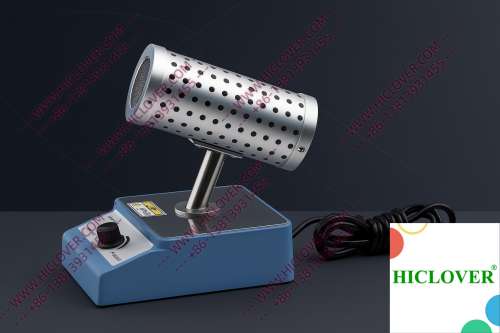
The Micro Incinerator operates on the principle of rapid thermal sterilization using an enclosed ceramic chamber that employs infrared heat. Unlike traditional flame-based sterilizers, which rely on combustion, this technology utilizes high-intensity infrared radiation to achieve temperatures sufficiently high for complete disinfection of inoculating loops, needles, and other laboratory tools. The enclosed design minimizes aerosol production, maintaining a safer working environment.
This method not only enhances the speed of sterilization but also provides a consistent and reliable means to eliminate contaminants. The infrared method delivers high-temperature disinfection in seconds, allowing for streamlined workflows critical in busy laboratory settings.
Applications in Various Laboratory Environments
Implementing this advanced sterilization method can be particularly beneficial in several key laboratory situations:
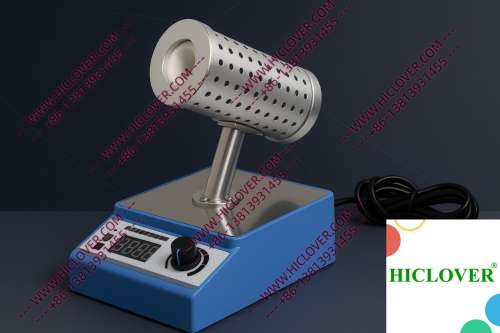
- Biosafety Cabinets: Utilized in BSL-2 and BSL-3 microbiology laboratories, the Micro Incinerator can enhance safety standards by providing a flameless sterilization method that adheres to stringent biosafety protocols.
- Teaching Laboratories: In academic settings, such as university biology labs, the Micro Incinerator can serve as an educational tool. Students practice sterilization techniques in a safe, controlled manner without exposure to flames, facilitating better learning outcomes.
Both scenarios highlight the flexibility of the Micro Incinerator, catering to diverse needs while enhancing sterilization efficiency.
Compliance and Environmental Considerations
Alignment with international biosafety guidelines, such as those stipulated by the World Health Organization (WHO) and lab sterilization standards, is paramount. Many facilities operate under regulations that emphasize the need for clean environments, particularly when working with sensitive cultures or when incubating in CO₂ incubators or anaerobic chambers. Using traditional flame sterilizers in clean rooms raises the risk of contamination due to soot and residual combustion products.
Additionally, the Micro Incinerator’s design facilitates compliance with these stringent standards, as it eliminates open flames, making it a clean-bench-safe option. In environments where the risk of contamination must be controlled, this sterilizer stands out as an exceptional choice.
Advantages Over Traditional Flame Sterilizers
Traditional flame sterilizers, while widely used, present several drawbacks:
- Risk of contamination from combustion residues.
- Aerosol generation which might pose a biohazard risk.
- Inconsistency in heat application leading to incomplete sterilization.
In contrast, the Micro Incinerator provides:
- Rapid sterilization: Achieving sterilization within seconds.
- Safety: Eliminates combustion-related hazards.
- Consistency: Uniform heat distribution ensures complete disinfection.
Comparison Table: Micro Incinerator vs. Flame Burners
| Feature | Micro Incinerator | Flame Burners |
|---|---|---|
| Operation Mode | Infrared Heat | Open Flame |
| Contamination Risk | Low | High |
| Speed of Sterilization | Seconds | Variable |
| Application Environment | BSL-2/3, Clean Rooms | General Use |
Frequently Asked Questions (FAQs)
1. What is the Micro Incinerator and how does it work?
The Micro Incinerator is a laboratory sterilization tool that utilizes infrared heat to achieve rapid thermal sterilization. It is designed to disinfect inoculating loops and other equipment without the use of open flames.
2. Why choose an infrared inoculating loop sterilizer over traditional methods?
Infrared sterilizers provide faster, safer, and more consistent sterilization, mitigating the risks associated with combustion byproducts and aerosols found in traditional flame sterilizers.
3. Can the Micro Incinerator be used in BSL-2 laboratories?
Yes, the Micro Incinerator is ideal for use in BSL-2 and BSL-3 laboratories, meeting stringent biosafety requirements while ensuring effective sterilization.
4. How long does the sterilization process take with an infrared loop sterilizer?
The sterilization process typically takes only seconds, allowing for quick turnaround in laboratory workflows.
5. Are there any maintenance requirements for the Micro Incinerator?
Regular cleaning of the ceramic chamber is recommended to ensure optimal performance and longevity.
Conclusion: A Step Towards Enhanced Laboratory Safety
In an era where biosecurity is paramount, transitioning from traditional flame-based sterilization to innovative solutions like the Micro Incinerator is not merely beneficial, but essential. This technology supports compliance with health regulations while streamlining laboratory workflows. For institutions seeking to enhance their sterilization protocols and safeguard their environments, investing in an Infrared Inoculating Loop Sterilizer is a forward-thinking solution. Contact us today to explore how our advanced sterilization equipment can meet your laboratory needs.
Categories:
Tags: