
As scientific exploration advances, so do the biosafety challenges laboratories face daily. From contamination control in BSL-2 and BSL-3 microbiology labs to compliance with international health standards, the demand for efficient and reliable sterilization techniques is more critical than ever. How can laboratories ensure a seamless sterilization workflow while ensuring adaptability and safety? The solution lies in the implementation of modern sterilization equipment such as the Micro Incinerator / Infrared Inoculating Loop Sterilizer.
Technical Principles of the Infrared Inoculating Loop Sterilizer
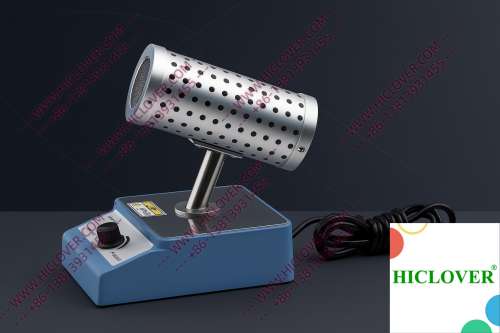
The Micro Incinerator utilizes rapid thermal sterilization to disinfect inoculating loops, eliminating the risk of cross-contamination. By employing an enclosed ceramic heating chamber, the device effectively reaches high temperatures through infrared heat, which leads to fast and thorough disinfection with minimal energy expenditure.
The infrared heating method offers a significant advantage over traditional flame sterilizers, such as alcohol lamps and Bunsen burners. Unlike open flames, infrared sterilizers provide clean-bench-safe disinfection processes, safeguarding both the samples and the user against aerosols and contaminants. This capability is particularly vital when working within a biosafety cabinet or during field testing.
Applications in Real Laboratories
1. Biosafety Cabinets
In environments where sterility is of utmost importance, such as BSL-2 or BSL-3 labs, the Micro Incinerator offers seamless integration into standard operating procedures. When researchers need to sterilize inoculating loops without interrupting their workflow, this equipment provides an instant solution—reducing contamination risks while maintaining an efficient pace. Moreover, lab standards emphasize “no flame” regulations in such cabinets, making the Micro Incinerator the ideal alternative.
2. Field Testing and Mobile Labs
Field testing in remote areas often lacks access to traditional sterilization methods. The Micro Incinerator’s compact design and lightweight construction allow for easy transportation, enabling researchers to carry out sterilization tasks on-site. In these environments, the inability to generate a safe flame is a critical constraint; thus, the infrared technology provides a reliable option to curb contamination in bacteria sampling and environmental analysis activities.
Compliance and Environmental Considerations
With guidelines set by the World Health Organization (WHO) and local lab sterilization standards, it is crucial for facilities to adhere to safety regulations. One of the primary concerns in sterile environments is eliminating any potential risks posed by flames. Many clean rooms require strict adherence to non-flame sterilization processes to prevent contamination. The Micro Incinerator not only meets these requirements but also aligns with the broader environmental principles of sustainability by reducing the carbon footprint associated with traditional flame sterilization methods.
In regions like California or cities like Melbourne, where strict environmental regulations exist, utilizing a device like the Micro Incinerator can ensure compliance with both local laws and international standards.
Comparison of Micro Incinerator vs. Traditional Flame Burners
| Feature | Micro Incinerator | Flame Burners |
|---|---|---|
| Safety | No flame, reduced risk of aerosols | Open flame, increased risk of combustion |
| Efficiency | Instant heat, rapid sterilization | Requires preheating |
| Portability | Lightweight and compact | Bulky and requires a gas source |
| Cost of Operation | Lower energy consumption | Higher gas maintenance costs |
FAQs
- What types of laboratories benefit most from using a Micro Incinerator?
Laboratories focused on microbiology, clinical diagnostics, and educational institutions can find great use for the Micro Incinerator. - How do you clean and maintain the Micro Incinerator?
Routine checks and basic cleaning with a non-corrosive agent ensure the longevity of the instrument. - Can it be used in field settings?
Yes, its compact and portable design makes it ideal for field applications. - Does the Micro Incinerator meet WHO biosafety standards?
Absolutely, it aligns with both WHO and other strict lab sterilization standards. - How does it compare to traditional flame methods in terms of sterilization effectiveness?
The Micro Incinerator offers consistent and rapid thermal sterilization, often surpassing the effectiveness of traditional flame methods.
Conclusion
As the complexities of biosafety and sterilization increase, the Micro Incinerator / Infrared Inoculating Loop Sterilizer emerges as a pivotal component in laboratory protocols. Its innovative technology not only streamlines the sterilization workflow but also complies with safety standards that protect both researchers and the environments in which they operate. If you’re ready to elevate your laboratory’s sterilization practices and ensure compliance, do not hesitate to explore the transformative impact of infrared sterilizers. For further information or to make a purchase, feel free to reach out to our team today!
Categories:
Tags: