
In laboratories across Brazil, ensuring biosafety remains a top priority. With the rise in laboratory research and diagnostics, the demand for effective sterilization methods is more pressing than ever. Traditional flame sterilizers, such as alcohol lamps and Bunsen burners, have long been the go-to solutions for many labs. However, emerging technologies like the Micro Incinerator / Infrared Inoculating Loop Sterilizer are transforming laboratory sterilization workflows, presenting a cleaner, quicker, and safer alternative.
Lab Sterilization Challenges and the Rise of Modern Solutions
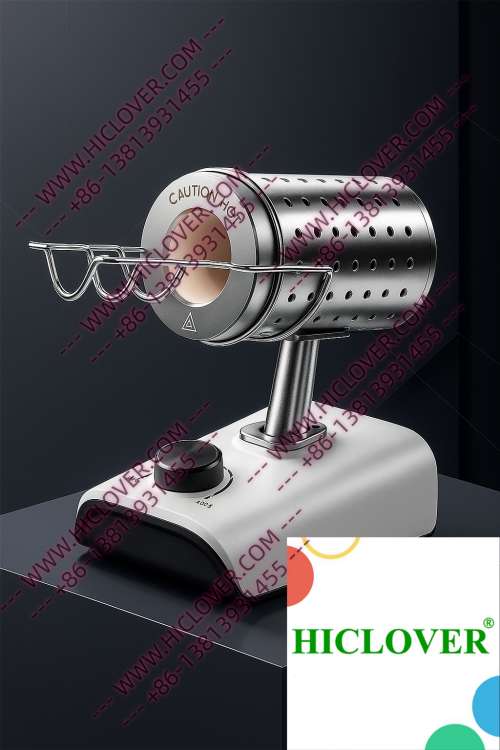
Faced with stringent biosafety standards, Brazilian laboratories often encounter challenges with contamination control. The sterile environment needed for both clinical diagnostics and microbiological research can be easily compromised by conventional flame methods, which carry risks of aerosol generation and require careful handling. The Micro Incinerator uses advanced infrared heat technology, ensuring rapid thermal sterilization without the drawbacks associated with open flames.
Technical Principles of Micro Incinerators
The Micro Incinerator operates on the principle of infrared high-temperature disinfection, employing an enclosed ceramic heating chamber that rapidly reaches and maintains high temperatures. This design allows for:
- Rapid sterilization: The Micro Incinerator can reach temperatures of up to 850°C in seconds, effectively eliminating microbial contaminants.
- No combustion byproducts: Unlike traditional flame devices, it does not produce soot or toxic fumes, making it safe for use in clean rooms and biosafety cabinets.
- Ease of use: Its user-friendly interface allows for quick operational adjustments, ensuring optimal performance during busy lab workflows.
- Elimination of open flames in clean rooms to prevent contamination.
- Utilization of devices that do not generate aerosols, in line with biosafety protocols.
- Meeting ISO standards specific to laboratory equipment.
- What are the main advantages of using a Micro Incinerator over a traditional flame sterilizer?
- Micro Incinerators offer rapid sterilization without the hazards of open flames, making them safer for both users and the environment while reducing the risk of contamination.
- Can the Micro Incinerator be used in field testing laboratories?
- Yes, due to its compact design and effectiveness, it is suitable for mobile applications and field testing laboratories where rapid sterilization is crucial.
- What are the maintenance requirements for a Micro Incinerator?
- Routine cleaning and checking for wear on heating elements are recommended to ensure optimal performance and longevity.
- Are Micro Incinerators compliant with WHO standards?
- Yes, they comply with WHO biosafety guidelines and are designed to be used safely in various laboratory environments.
- Can educational institutions benefit from using a Micro Incinerator?
- Absolutely, they enhance the safety and learning experience in teaching labs by providing a reliable sterilization method for students.
Real-World Applications of Micro Incinerators
The adoption of Micro Incinerators in Brazilian laboratories illustrates their versatility and effectiveness. Below are two different application scenarios:
1. Use in BSL-2 and BSL-3 Microbiology Labs
In BSL-2 and BSL-3 microbiology labs, the risk of exposure to pathogenic microorganisms dictates the need for robust sterilization methods. The Micro Incinerator’s aerosol-free handling capabilities ensure that samples and tools remain uncontaminated, contributing to a safer working environment. One particular research center in São Paulo has reported a significant reduction in contamination incidents since switching to the Micro Incinerator.
2. Teaching Labs in Universities
In educational settings, such as university laboratories, instructor safety and student learning are paramount. Traditional flame sterilizers present hazards, especially with inexperienced users. The Micro Incinerator has been integrated into university curriculums, facilitating safe and effective inoculation learning experiences. Professors have praised its reliability and ease of use, which enhances student confidence and practical skills.
Compliance and Environmental Considerations
When transitioning to modern sterilization solutions like the Micro Incinerator, adherence to global biosafety compliance standards is essential. The World Health Organization (WHO) emphasizes the importance of effective sterilization methods in laboratories. Key compliance guidelines include:
Laboratories in Brazil can comply with strict safety regulations while enhancing their sterilization workflows through innovative solutions like the Micro Incinerator.
Micro Incinerator vs. Traditional Flame Sterilizers
| Features | Micro Incinerator | Flame Sterilizers |
|---|---|---|
| Rapid Sterilization Time | Seconds | Varies (Seconds to Minutes) |
| Aerosol Generation | No | Yes |
| Ease of Use | User-friendly | Requires Training |
| Suitability for Clean Environments | Yes | No |
| Energy Source | Electric | Gas/Alcohol |
FAQs about Micro Incinerators
Conclusion
The transition from traditional flame sterilizers to modern solutions like the Micro Incinerator marks a significant advancement in laboratory sterilization practices across Brazil. By alleviating biosafety concerns and enhancing workflow efficiency, this innovative technology equips labs with the capability to meet the growing demands of scientific research and diagnostics.
If you are looking to improve your lab’s sterilization processes or wish to learn more about the Micro Incinerator, we invite you to contact us for further information or inquiries about our products.
Categories:
Tags: