
In laboratories around the world, particularly in Brazil’s rapidly evolving biotech sectors, the challenges of biosafety and sterilization workflows are paramount. When it comes to maintaining a sterile environment, the demand for efficient lab sterilization equipment is higher than ever. Traditional methods such as alcohol lamps and Bunsen burners present significant risks, both in terms of safety and efficacy. This pivot towards alternative solutions has led to the adoption of Micro Incinerators, specifically the Infrared Inoculating Loop Sterilizer, providing a modern incidence of rapid thermal sterilization without the hazards posed by open flames.
Technical Principles Behind Micro Incinerators
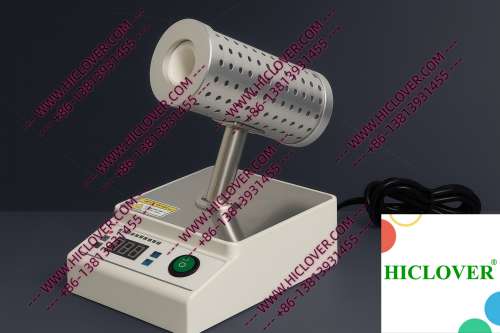
Micro Incinerators serve as advanced sterilizers utilizing infrared heat to eliminate biological contaminants. At the heart of the device lies an enclosed ceramic tube, which heats to temperatures exceeding 800°C within seconds. This high-temperature disinfection capability ensures that inoculating loops, needles, and other tools come into contact with a consistent and elevated heat source, promoting thorough sterilization while adhering to clean-bench-safe methodologies.
The principle of infrared sterilization revolves around the induction of thermal energy via infrared radiation, which is not only efficient but also provides a gentle way to eliminate microorganisms without the aerosol risks often associated with flame-based systems. In addition, these compact devices are designed for easy handling and operation in various laboratory settings.
Applications in Modern Laboratories
1. Biosafety Cabinets
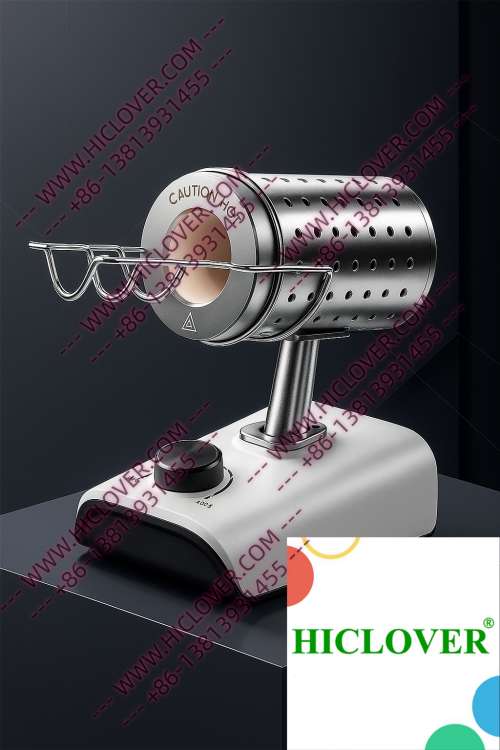
In BSL-2 and BSL-3 microbiology labs, maintaining a sterile and contamination-free environment is critical. Micro Incinerators can effectively sterilize the inoculating loops and other instruments required for these controlled settings. Their compact design makes them ideal for installation within biosafety cabinets, where space is limited and any open flame poses safety risks. By utilizing an Infrared Inoculating Loop Sterilizer, lab technicians can ensure that their equipment is sterilized rapidly, avoiding the contamination that can affect sensitive experiments.
2. Field Testing Laboratories
Field testing environments often encounter unique challenges. The need for portable, reliable sterilization equipment is essential for quick results. Micro Incinerators fulfill this role, enabling field researchers to manage microbial testing on-site without the need for bulky traditional sterilizers. The lightweight, compact design allows for ease of transport without sacrificing performance. When working in environments lacking adequate laboratory infrastructure, Infrared Inoculating Loop Sterilizers provide a reliable solution for maintaining biosafety and integrity of samples.
Compliance and Environmental Considerations
Compliance with guidelines set by the World Health Organization (WHO) and other biosafety standards is essential for any laboratory operation. Traditional flame sterilizers often pose risks to operators and the environment, creating an avenue for potential accidents and non-compliance. The implementation of Micro Incinerators aligns with the fundamental biosafety regulations and lab sterilization standards, particularly in environments sensitive to open flames.
Moreover, with increasing awareness towards environmental sustainability, the Micro Incinerator offers an eco-friendly alternative, producing no harmful fumes typical of combustion-based sterilization methods. When used correctly, they promote contamination control effectively while operating cleaner than traditional methods, essential in clinical diagnostics and research laboratories focused on preventing cross-contamination.
Micro Incinerator vs. Flame Sterilizers
| Feature | Micro Incinerator | Flame Sterilizer |
|---|---|---|
| Safety | Safe, non-flammable, no open flame | Risk of burns, flammable |
| Speed | Instant heating, rapid sterilization | Time-consuming ignition |
| Environmental Impact | Eco-friendly, no toxic emissions | Combustion byproducts |
| Portability | Compact, lightweight | Bulky, less portable |
| Heat Source | Infrared heating chamber | Open flame |
Frequently Asked Questions
- What are the advantages of using a Micro Incinerator over traditional methods? Micro Incinerators provide rapid sterilization, enhanced safety, and reduce the risk of contamination, making them a superior choice for sterilizing laboratory equipment.
- Are Micro Incinerators suitable for all laboratory environments? Yes, they are versatile and are especially beneficial in BSL-2/BSL-3 labs, clinical diagnostics, and teaching labs.
- How do I maintain a Micro Incinerator? Regular cleaning and adherence to the manufacturer’s guidelines for operation will ensure optimal performance and longevity.
- Can Micro Incinerators be used in field testing labs? Absolutely, their portability and efficiency make them perfect for field conditions.
- What is the lifespan of a Micro Incinerator? With proper maintenance, Micro Incinerators can last several years, providing sustained usage for ongoing lab work.
Conclusion
The transition from traditional flame sterilizers to Micro Incinerators signifies a crucial step in advancing laboratory safety and efficiency. For laboratories in Brazil and beyond, embracing this technology not only adheres to global biosafety standards but also fosters innovations in workflow optimization and contamination control. If you are a laboratory supply distributor, hospital, or research center looking to enhance your sterilization processes, consider contacting us to learn more about how Micro Incinerators can elevate your lab’s efficiency and safety.
Categories:
Tags: