
In today’s fast-paced laboratory settings, biosafety challenges and the need for efficient sterilization workflows are more pressing than ever. Laboratories across Mexico, particularly in BSL-2 and BSL-3 environments, face contamination risks that can compromise experiment integrity and public health. As a response, innovative solutions like micro incinerators are becoming vital tools in modern waste disposal and sterilization. This article delves into the transformative role of Micro Incinerators, focusing on the Infrared Inoculating Loop Sterilizer and its applications in diverse laboratory settings.
Understanding the Micro Incinerator: The Science Behind the Technology
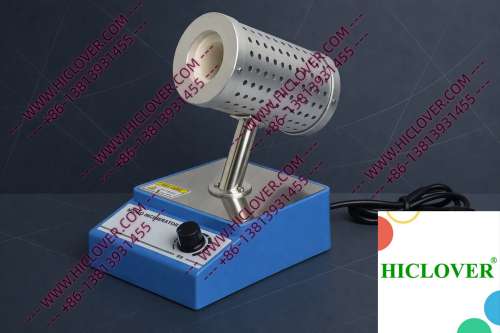
The Micro Incinerator harnesses infrared heat technology to achieve rapid thermal sterilization without the risks associated with traditional flame sterilizers such as alcohol lamps and Bunsen burners. This advanced device features an enclosed ceramic tube that provides a clean and efficient sterilization chamber. Upon activation, infrared rays generate high temperatures (up to 800°C), allowing for immediate disinfection of inoculating loops, needles, and other heat-resilient laboratory tools.
Benefits Over Traditional Flame Sterilizers
Micro Incinerators offer numerous advantages over traditional flame sterilizers:
- Safety: No open flames reduce fire hazards, especially in cleanroom environments.
- Efficiency: Rapid thermal sterilization minimizes wait times and enhances workflow.
- Contamination Control: Enclosed design prevents aerosol generation, protecting lab personnel.
- Ease of Use: User-friendly design simplifies operations, even for newcomers in lab settings.
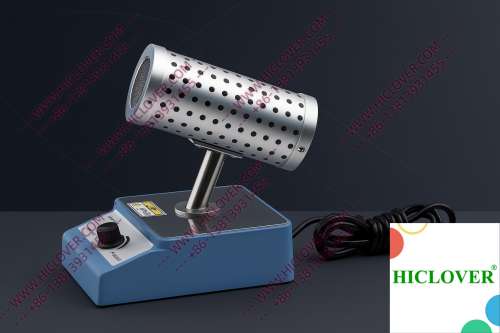
Application Scenarios of Micro Incinerators in Laboratories
Biosafety Cabinet Operations
In high-stakes environments such as clinical diagnostics and microbiology laboratories, the Micro Incinerator is integral to maintaining sterility within biosafety cabinets. When researchers need to transfer cultures or perform inoculations, they can quickly sterilize loops before and after use, ensuring that contamination is effectively mitigated. This step is critical in BSL-2 and BSL-3 labs where pathogens can pose serious health risks.
Field Testing and Mobile Labs
In the field, where access to utilities may be limited, the Micro Incinerator shines. Mobile laboratories can carry these compact devices for on-site sterilization of equipment, ensuring that safety is not compromised even when resources are scarce. For example, during environmental studies in remote locations, researchers can utilize the Micro Incinerator to sterilize equipment immediately, which not only enhances safety but also ensures accurate results during sample collection and testing.
Compliance and Environmental Considerations
Adherence to biosafety standards is paramount in laboratory environments. The World Health Organization (WHO) offers guidelines that emphasize the importance of sterilization in controlling infectious agents. Equally, laboratory sterilization standards dictate that clean environments must avoid open flames, particularly in cleanrooms. Micro Incinerators meet these standards by utilizing infrared heat, which aligns with compliance requirements while safeguarding lab personnel from potential hazards associated with traditional flame-based methods.
Notably, countries like Mexico are increasingly adopting such technologies in their laboratory infrastructures, mitigating waste management issues while enhancing biosafety measures.
FAQs About Micro Incinerators
What are the primary applications of Micro Incinerators?
Micro Incinerators are predominantly used for sterilizing inoculating loops, needles, and other laboratory tools in various settings, including teaching laboratories and clinical diagnostics.
How does the infrared sterilization process work?
The Micro Incinerator uses infrared technology to produce intense heat rapidly. The enclosed ceramic tube heats up, allowing for rapid thermal sterilization of equipment without the risk of contamination from flames.
Are Micro Incinerators safe for biosafety cabinet use?
Yes, Micro Incinerators are designed to be safe for use in biosafety cabinets, reducing aerosol risks and ensuring a clean working environment.
What are the compliance standards for laboratory sterilization?
Micro Incinerators comply with international biosafety guidelines, including those from the WHO, which underscores the necessity of effective sterilization in laboratory settings.
How do Micro Incinerators compare to traditional flame sterilizers?
Unlike traditional flame sterilizers that pose fire risks and require ventilation, Micro Incinerators offer a more controlled and safer method for sterilization without open flames.
Conclusion
As the laboratory landscape evolves, the shift toward innovative sterilization technologies is critical. The Micro Incinerator, particularly the Infrared Inoculating Loop Sterilizer, presents a reliable, efficient, and safe alternative to traditional flame-based sterilizers. With applications spanning across laboratories in Mexico and beyond, investing in this advanced sterilization equipment is a significant step towards bolstering laboratory biosafety and enhancing waste management practices.
For more information or to explore purchasing options, do not hesitate to reach out. Elevate your laboratory’s sterilization process—choose Micro Incinerators today!
Categories:
Tags: