
The landscape of laboratory biosafety is rapidly evolving, with the increasing need for effective sterilization processes to control contamination. Laboratories, particularly those operating in BSL-2 and BSL-3 environments, face significant challenges in ensuring that their sterilization workflows meet rigorous biosafety standards. Enter the Micro Incinerator or Infrared Inoculating Loop Sterilizer, a game-changing solution that allows for rapid thermal sterilization while enhancing laboratory safety protocols.
Understanding the Technical Principles
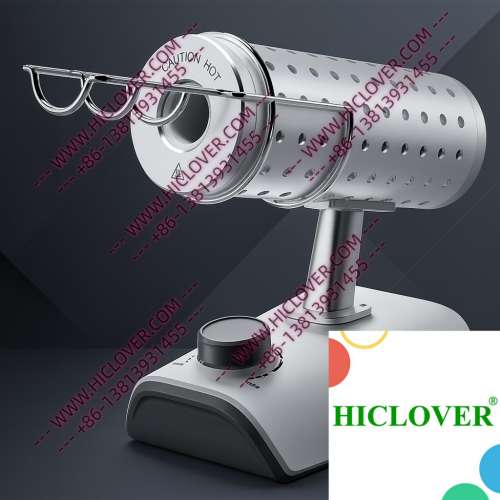
The Micro Incinerator operates on the principle of infrared heat applied through an enclosed ceramic heating chamber. This configuration not only allows for precise temperature control but also ensures that sterilization occurs without the risks associated with traditional flame sterilizers such as Bunsen burners or alcohol lamps. The high-temperature disinfection process effectively destroys pathogens, providing an aerosol-free handling experience while maintaining a clean-bench-safe environment.
- Rapid Thermal Sterilization: The appliance reaches sterilization temperatures quickly, significantly reducing wait times.
- Contamination Control: Its design limits the spread of biohazards in sensitive laboratory settings.
- Compact and Portable: Easily fits into various laboratory setups, from field testing scenarios to clinical diagnostics.
Applications in Real-World Laboratory Environments
Micro Incinerators have proven invaluable in numerous scenarios:
- Biosafety Cabinets: In the controlled environments of biosafety cabinets, these devices provide an essential method for sterilizing inoculating loops and other tools immediately after use. This minimizes the risk of cross-contamination.
- Teaching Labs: In academic settings, particularly in university teaching labs, the Micro Incinerator serves as an educational tool, teaching students the importance of sterilization and biosafety while demonstrating effective sterilization techniques. The absence of flames makes it a suitable option for students learning in a potentially hazardous environment.
Compliance with Biosafety Standards
Compliance with WHO biosafety regulations and laboratory sterilization standards is critical to the safe functioning of healthcare and research facilities. The Micro Incinerator is designed to align with these standards specifically, providing an efficient alternative to traditional flame sterilizers that are often unsuitable in clean room environments where open flames are prohibited. Its safe operation not only helps labs meet standards but also actively contributes to overall laboratory safety.
“The transition from traditional flame sterilizers to Micro Incinerators represents a significant leap in ensuring laboratory hygiene and safety in strict biosafety environments.”
A Comparative Advantage Over Traditional Flame Sterilizers
Here’s a look at a comparison between a Micro Incinerator and conventional flame sterilizers:
| Feature | Micro Incinerator | Flame Burners |
|---|---|---|
| Safety | No open flame, reduced risk of fire | Open flame increases fire risk |
| Speed | Rapid heating for immediate sterilization | Longer heat-up time |
| Contamination Control | Aerosol-free handling, enclosed design | Potential for aerosol generation |
| Usability | Easier to use in confined spaces | Difficulty using in enclosed areas |
Frequently Asked Questions
1. How does a Micro Incinerator ensure effective sterilization?
The Micro Incinerator provides effective sterilization through high-temperature infrared heating, reaching temperatures sufficient to eradicate most pathogens rapidly.
2. Can the device be used in field-testing labs?
Yes, its compact size and portability make the Micro Incinerator suitable for use in mobile testing environments, ensuring safe sterilization regardless of location.
3. What makes it preferable to traditional sterilizers in educational settings?
Its flame-free operation and rapid sterilization capability allow students to learn in a safer environment without exposure to the risks of open flames.
4. Are Micro Incinerators compliant with international safety standards?
Yes, they are designed to comply with WHO biosafety and laboratory sterilization standards, making them a reliable tool in clinical and research settings.
5. In what types of labs can Micro Incinerators be effectively utilized?
Micro Incinerators can be used in various laboratory environments, including clinical diagnostics, teaching labs, and biosafety laboratories, due to their safety and efficiency.
Conclusion
The adoption of Micro Incinerators represents a significant pivot towards innovation in laboratory sterilization and biosafety management. By efficiently managing contamination risks, prioritizing compliance with safety standards, and enhancing laboratory workflow, these devices play an essential role in advancing laboratory techniques. For distribution partners, hospitals, and research centers in Mumbai and beyond, investing in cutting-edge Micro Incinerators could redefine your sterilization processes. Explore our range of sterilization equipment today.
Categories:
Tags: