
Laboratories, whether in clinical settings, academic institutions, or field research environments, face persistent biosafety challenges. Contamination control and rapid thermal sterilization of tools, particularly inoculating loops and other reusable instruments, are critical tasks that must adhere to stringent safety and compliance regulations. As laboratory workflows evolve, the demand for efficient and safe sterilization equipment has surged, prompting scientists and lab technicians to explore modern solutions like Micro Incinerators, specifically the Infrared Inoculating Loop Sterilizer.
The Technical Principle Behind Micro Incinerators
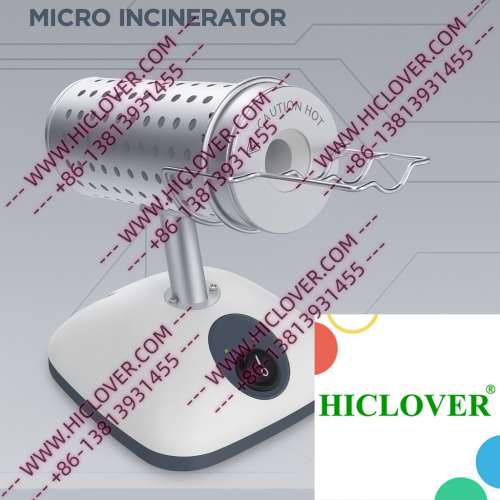
Micro Incinerators utilize infrared heat, a method increasingly preferred over traditional flame-based sterilizers like Bunsen burners and alcohol lamps. These devices feature a ceramic heating chamber that provides high-temperature disinfection while ensuring clean-bench-safe operations. The enclosed design minimizes aerosol formation and guarantees that harmful biological agents are eliminated effectively. Infrared technology allows for direct heat application, rapidly elevating the temperature of inoculating loops to achieve sterilization within seconds.
Applications in Real Laboratories
1. Clinical Diagnostics
In clinical diagnostics, particularly in BSL-2 and BSL-3 microbiology labs, the use of Micro Incinerators streamlines the sterilization workflow. When working with potentially pathogenic isolates, microbiologists rely on rapid thermal sterilization for inoculating loops and needles. The infrared sterilizer provides a clean environment without open flames, reducing the risk of cross-contamination. Studies show that these equipment can reduce sterilization time by up to 90%, allowing labs to increase their throughput of samples while maintaining compliance with WHO biosafety standards.
2. University Teaching Labs
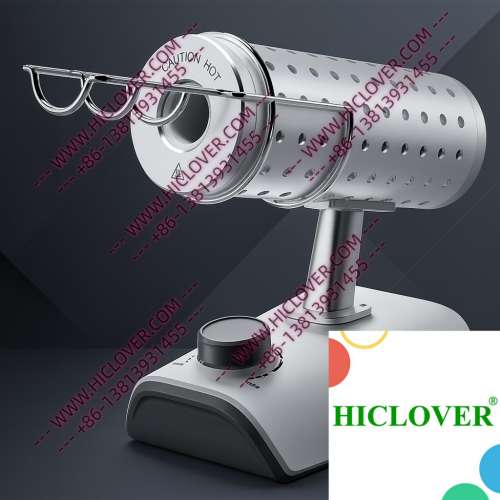
University labs, particularly those involved in teaching microbiology and biotechnology, benefit significantly from the use of Micro Incinerators. Instructors can demonstrate proper inoculation techniques while ensuring students can quickly sterilize their tools without the dangers associated with flame-based sterilization. This shift not only enhances the educational experience but also instills safety protocols in budding scientists, preparing them for future laboratory settings.
Compliance and Environmental Considerations
Meeting compliance standards is imperative in any laboratory environment. The WHO biosafety guidelines explicitly recommend the use of non-flame sterilization methods in BSL-2 and BSL-3 labs to prevent aerosol contamination. Traditional sterilizers, such as alcohol lamps, present safety hazards in cleanroom operations; they can introduce unpredictable variables like flames and combustible materials. Micro Incinerators, on the other hand, meet sterilization standards without compromising biosafety, ensuring that environmental factors are upheld while enabling effective contamination control.
| Criteria | Micro Incinerator | Traditional Flame Sterilizers |
|---|---|---|
| Safety | Low risk of burns, aerosol-free | High risk of fire, snaps, and burns |
| Efficiency | Rapid thermal sterilization | Slower heating times |
| Environment | Clean-bench-safe | Increased contamination risk |
Market Needs and Benefits of Micro Incinerators
The evolution of laboratory demands necessitates efficient sterilization processes that meet statutory health regulations while safeguarding operator safety. Micro Incinerators equip laboratories globally with the ability to address waste management, including biohazard waste, while contributing positively to local community health standards. Countries like Germany and the United States are experiencing an increasing trend of institutions adopting technology that provides effective isolation and thermal disinfection without compromising cleanliness.
- Enhanced safety with no open flames
- Quicker workflows leading to decreased turnaround times
- Elimination of aerosol formation, reducing contamination risks
- Minimized environmental impact compared to flame sterility
FAQs About Micro Incinerators
Q1: How does a Micro Incinerator compare to traditional flame sterilizers?
A1: Micro Incinerators offer rapid thermal sterilization without the risks associated with open flames, eliminating contamination from aerosols and providing safer working conditions in laboratory environments.
Q2: Are Micro Incinerators suitable for all laboratory environments?
A2: Yes, Micro Incinerators are ideal for BSL-2 and BSL-3 labs, as well as teaching labs and mobile testing environments, as they adhere to WHO biosafety guidelines.
Q3: What are the typical applications of Micro Incinerators?
A3: Common applications include sterilizing inoculating loops, needles, and other microbiological tools in clinical diagnostics, teaching labs, and field studies, where safety and compliance are paramount.
Q4: Do Micro Incinerators contribute to environmental sustainability?
A4: Absolutely! Micro Incinerators maintain lower environmental impact by reducing aerosol contamination and minimizing the need for hazardous waste handling associated with traditional flame sterilization methods.
Q5: What maintenance do Micro Incinerators require?
A5: Routine checks and cleaning of the ceramic heating chamber are recommended. Additionally, ensuring that the electrical components are well-maintained contributes to optimal performance and longevity.
Conclusion
As laboratories continue to prioritize safety, efficiency, and compliance, the adoption of Micro Incinerators presents a transformative solution to sterilization workflows. These advanced units not only streamline processes but also align with global biosafety standards, ensuring a clean and safe working environment. If you’re interested in elevating your laboratory’s sterilization practices, contact us today for more details on our innovative Micro Incinerators. Your pathway to efficient and safe laboratory operations begins here!
Categories:
Tags: