
In the ever-evolving landscape of laboratory biosafety, the demand for effective sterilization solutions continues to drive innovation. Particularly within Ghana, where environmental issues and public health challenges intertwine, adopting advanced sterilization methods is vital. Traditional flame sterilizers, such as alcohol lamps and Bunsen burners, present several limitations, including open flames that pose risk and logistical hurdles. The Micro Incinerator, a remarkable tool designed for rapid thermal sterilization, emerges as a crucial solution, particularly within the context of clinical diagnostics, educational labs, and environmental sustainability.
The Technical Principle of Micro Incinerators
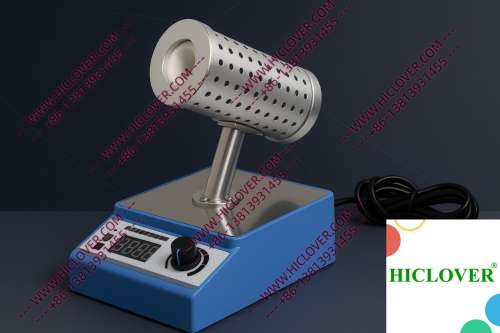
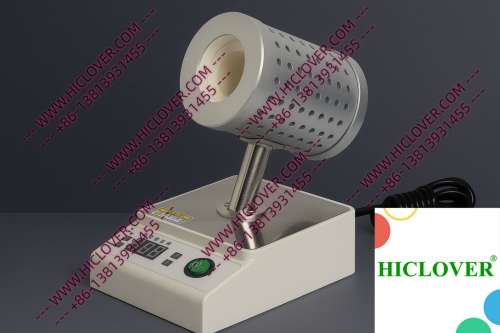
The Micro Incinerator operates on the principle of infrared heat technology. By producing high temperatures within an enclosed ceramic heating chamber, it ensures efficient disinfection of loops, media, and other lab instruments. Unlike traditional flame-based sterilizers, this sophisticated device achieves temperatures exceeding 800°C, allowing for the rapid and effective elimination of microbial contaminants while ensuring a clean environment.
Equipped with a precisely designed ceramic tube, the Micro Incinerator provides a stable and uniform heating surface for quick sterilization procedures. The absence of open flames significantly reduces the risk of uncontrolled fires or potential contamination, making it an excellent option for use within biosafety cabinets and teaching labs.
Applications of Micro Incinerators in Laboratory Settings
- Biosafety Cabinets: In sterile environments such as BSL-2 and BSL-3 labs, the Micro Incinerator is integrated within biosafety cabinets to provide a reliable sterilization method. This setup minimizes the risk of aerosol generation while maintaining contamination control during procedures.
- Field Testing Laboratories: For mobile or field testing labs deployed in regions grappling with waste management issues, the portability and efficiency of the Micro Incinerator ensure that sterilization can occur anywhere. Whether in remote areas or during crisis interventions, this device provides high-temperature disinfection without reliance on external fuel sources.
- University and Teaching Labs: As educational institutions strive to adopt best practices in microbiological research and techniques, the Micro Incinerator is gaining traction as a teaching tool. Demonstrating the principles of sterilization without the risks associated with flame-based methods fosters a safer learning environment for students.
- Safety: Eliminates the hazards associated with open flames, ensuring a secure environment in laboratories.
- Efficiency: Rapid thermal sterilization accelerates workflow without compromising sterilization quality.
- Contamination Control: Designed to minimize aerosol generation, making it an optimal choice for clean environments.
- Versatility: Suitable for diverse applications—from clinical settings to educational environments.
Compliance and Environmental Considerations
In the context of laboratory operations, compliance with biosafety standards is paramount. Organizations such as the World Health Organization (WHO) advocate for higher biosafety measures, emphasizing the importance of effective sterilization techniques. The Micro Incinerator aligns with these standards, offering a safer alternative for labs while adhering to sterilization protocols that prohibit open flames in clean rooms.
Additionally, Ghana faces pressing environmental challenges, including waste management. By employing Micro Incinerators for onsite sterilization, laboratories can significantly reduce the accumulation of biological waste, transforming it into harmless ash while mitigating the risks posed by hazardous materials.
Benefits of Micro Incinerators Over Traditional Flame Sterilizers
Compared to alcohol lamps and Bunsen burners, Micro Incinerators offer a plethora of advantages:
FAQs About Micro Incinerators
What is a Micro Incinerator used for? Micro Incinerators are utilized for sterilizing inoculating loops, media, and other lab instruments effectively using infrared heat.
How does a Micro Incinerator compare to traditional flame sterilizers? Micro Incinerators provide faster sterilization, increased safety, and greater efficiency than traditional flame-based methods.
Where are Micro Incinerators commonly employed? Common applications include biosafety cabinets in BSL-2 and BSL-3 labs, educational institutions, and field testing labs.
Are Micro Incinerators compliant with laboratory safety standards? Yes, they comply with WHO biosafety standards, which require safe sterilization methods that eliminate open flames in clean environments.
How do Micro Incinerators contribute to environmental sustainability? By efficiently sterilizing waste on-site, they reduce the accumulation of hazardous materials and lower the environmental impact of traditional waste disposal methods.
Conclusion
The Micro Incinerator / Infrared Inoculating Loop Sterilizer stands as a beacon of innovation within the laboratory landscape, particularly in regions like Ghana where environmental sustainability is increasingly paramount. With its myriad advantages over traditional sterilization methods, this tool not only meets compliance standards but also enhances laboratory efficiency and safety. For laboratories, hospitals, universities, and research centers looking to modernize their sterilization workflows, considering the Micro Incinerator is a step toward a safer, cleaner, and more sustainable future. For inquiries or purchasing options, feel free to contact us!
Categories:
Tags: