
In laboratories across Cameroon, the challenges of biosafety and effective sterilization workflows have become increasingly prominent. As the demand for rapid and reliable sterilization methods grows, researchers and lab technicians are turning to innovative solutions like the Micro Incinerator, particularly the Infrared Inoculating Loop Sterilizer. This tool not only facilitates contamination control but also aligns with the urgent need for sustainable waste management in the region.
Understanding the Technical Principles
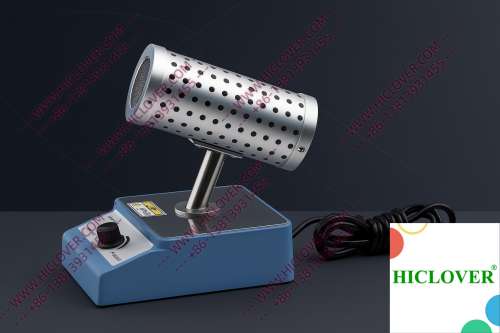
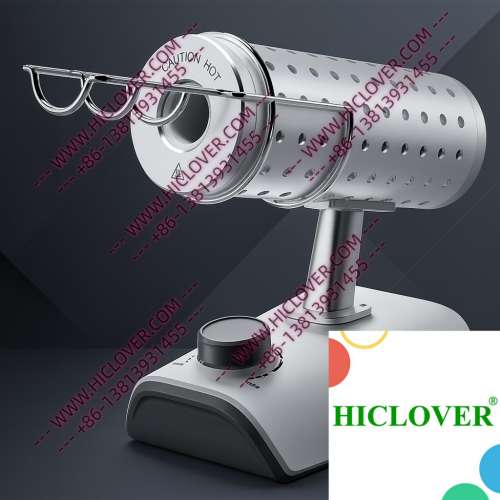
The Micro Incinerator operates based on the principle of infrared heat, employing an enclosed ceramic tube to achieve high-temperature disinfection. This advanced system allows for rapid thermal sterilization, ensuring that vital laboratory tools, such as inoculating loops and needles, are adequately sterilized without the concerns associated with traditional flame-based systems. The high efficiency of this device minimizes the risk of contamination and adheres to the strict guidelines set for laboratory sterilization.
Advantages Over Traditional Flame Sterilizers
- Safety: No open flames reduce the risk of fire hazards in the lab environment.
- Efficiency: Rapid thermal sterilization enables quicker workflows, crucial in high-pressure lab settings.
- Clean-Bench Safety: Infrared sterilizers maintain a clean work area, minimizing aerosol generation.
- Portability: The compact design allows for easy transportation and use in various settings, including field tests.
Application Scenarios in Real Labs
1. University Teaching Labs
In university settings, particularly in cities like Yaoundé and Douala, training the next generation of scientists requires efficient sterilization protocols. Micro Incinerators are often employed in laboratory courses where students learn microbiological techniques. The device ensures that all instruments are properly sterilized during class, fostering a culture of biosafety. The infrared technology allows students to quickly transition from one experiment to another, enhancing their learning experience.
2. Field Testing Laboratories
In mobile and field testing applications, especially in remote areas of Cameroon, the necessity for efficient sterilization equipment is undeniable. Micro Incinerators are invaluable in such scenarios. They allow technicians to sterilize biohazardous waste on-site after sample collection. Unlike traditional alcohol lamps or Bunsen burners, which can be difficult to transport and use outdoors, the Micro Incinerator’s portable design and high safety standards ensure that field researchers can maintain rigorous sterilization practices even in challenging environments.
Compliance with Biosafety Standards
As laboratories worldwide strive to meet the stringent guidelines set forth by the WHO, the introduction of media like infrared inoculating loop sterilizers aligns well with biosafety regulations. The Micro Incinerator’s design adheres to key biosafety standards, making it suitable for use in BSL-2 and BSL-3 laboratories, where stringent contamination control is paramount. Traditional flame sterilizers are often prohibited in clean rooms and clinical diagnostics settings due to the risks of aerosol generation and open flames, demonstrating the Micro Incinerator’s superiority in maintaining a safe laboratory environment.
Market Needs: Sustainable Solutions for Waste Management
In the context of Cameroon, where waste management poses significant environmental challenges, the deployment of portable Micro Incinerators is a potential game-changer. These devices allow laboratories to incinerate biological waste safely and effectively, transforming trash into ash without the need for complex waste disposal methods. This is particularly vital in regions with limited waste management infrastructure, promoting overall environmental health and safety.
“The innovation behind the Micro Incinerator not only modernizes laboratory practices but also plays a crucial role in protecting our environment and public health,” says a local lab manager.
Frequently Asked Questions
What is the primary benefit of using a Micro Incinerator in a laboratory setting?
The primary benefit is the enhanced safety and efficiency of sterilization processes, especially compared to traditional flame sterilizers. The Micro Incinerator significantly reduces the risk of fire hazards while providing rapid thermal sterilization.
How does the Micro Incinerator comply with WHO biosafety standards?
It complies through its design, which minimizes contamination risks and is suitable for use in BSL-2 and BSL-3 labs, where maintaining sterile conditions is critical.
Can the Micro Incinerator be used in field testing environments?
Yes, its portable nature and efficient sterilization capabilities make it ideal for field testing, allowing for contamination control in remote locations.
What is the difference in workflow efficiency between Micro Incinerators and traditional flame sterilizers?
Micro Incinerators allow for quicker and more reliable sterilization cycles, which speeds up laboratory workflows compared to flame sterilizers that require steady flame management.
Is the Micro Incinerator environmentally friendly?
Yes, it contributes to environmental health by enabling safe waste disposal of biohazardous materials right on-site, reducing the burden on waste management systems.
Conclusion
The Micro Incinerator / Infrared Inoculating Loop Sterilizer stands as a testament to innovation in laboratory sterilization. Its advantages over traditional flame sterilizers, coupled with compliance with safety standards, make it a prerequisite for modern laboratories in Cameroon and beyond. As you consider upgrading your lab’s sterilization methods, investing in a Micro Incinerator could not only enhance your lab’s biosafety protocols but also contribute positively to your community’s environmental health. For inquiries on purchasing, please reach out to us today!
Categories:
Tags: