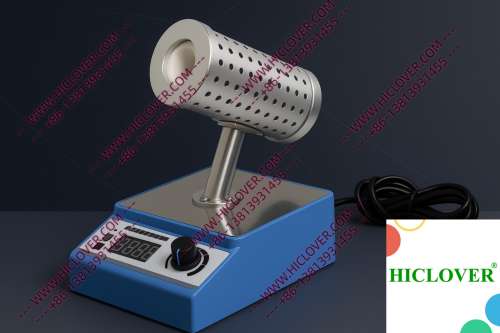
As laboratories continue to grapple with increasing biosafety challenges, maintaining a sterile environment is paramount in ensuring reliable results and safety for personnel. Traditional sterilization methods like alcohol lamps and Bunsen burners pose numerous drawbacks, including high contamination risks, aerosol production, and compliance issues in cleanroom settings. In such an environment, the Micro Incinerator, specifically the Infrared Inoculating Loop Sterilizer, emerges as a crucial player, offering efficient yet safe sterilization methods that align perfectly with stringent laboratory workflow demands.
Technical Principles & Configuration of Micro Incinerators
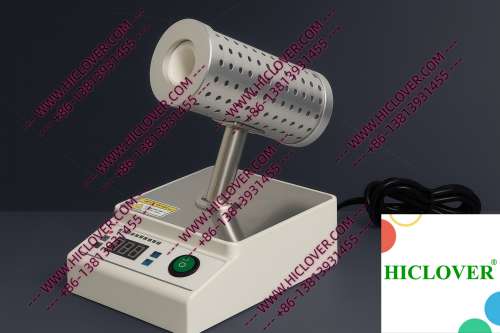
The Infrared Inoculating Loop Sterilizer operates on the principles of rapid thermal sterilization, utilizing infrared heat to achieve high temperatures instantaneously. The enclosed ceramic tube design ensures both safety and efficacy, directing heat precisely where it’s needed without vaporizing any volatile components that might be present in the laboratory atmosphere.
This device typically features a robust ceramic heating chamber, capable of reaching temperatures upwards of 850°C (1562°F), making it effective for disinfection applications. By destroying microbial life rapidly and efficiently, it minimizes the time lab personnel spend on sterilization tasks while maximizing time for critical laboratory work.
Applications of Micro Incinerators
- Biosafety Cabinets: In BSL-2 and BSL-3 microbiology labs, the Micro Incinerator works perfectly in tandem with biosafety cabinets. Lab technicians can sterilize inoculating loops and other implements instantly, preventing contamination while maintaining airflow integrity.
- University Teaching Labs: In academic environments, particularly during microbiology courses, students can learn best sterilization practices without the risks associated with flame burners. The Micro Incinerator ensures a safe learning atmosphere and minimizes hazards associated with fire.
- Field Testing Labs: In mobile or field testing labs, where space and resources are limited, the compact and efficient Micro Incinerator becomes indispensable. Its lightweight design allows for easy transport, providing sterilization capabilities in remote locations where traditional methods may not be feasible.
Biosafety Compliance and Environmental Impact
Adhering to the World Health Organization (WHO) biosafety standards and laboratory sterilization protocols is critical for any research facility. Unlike flame-based sterilizers, which produce aerosols and increase the risk of contamination, Micro Incinerators mitigate these hazards. They create a clean-bench-safe environment ideal for labs where even the tiniest microbial presence could lead to catastrophic results.
Furthermore, with initiatives increasingly shifting towards circular economy frameworks, Micro Incinerators facilitate waste-to-energy conversion processes. By providing an effective solution for biohazardous waste management, these devices not only streamline sterilization workflows but also contribute to reducing the overall environmental footprint.
Comparison: Micro Incinerator vs. Flame Burners
| Feature | Micro Incinerator | Flame Burners |
|---|---|---|
| Temperature Control | Accurate and consistent | Variable and requires monitoring |
| Contamination Risk | Minimal | High (aerosols produced) |
| Safety in Clean Rooms | Designed for cleanroom use | Not recommended |
| Ease of Operation | Instant on/off | Requires time to ignite |
| Footprint | Compact | Bigger, bulkier |
FAQs
What are the advantages of using a Micro Incinerator in the laboratory?
The Micro Incinerator offers rapid thermal sterilization, minimal contamination risk, and compliance with lab safety standards, making it an essential tool for reliable and safe laboratory operations.
Can Micro Incinerators be used in clean rooms?
Yes, Micro Incinerators are specifically designed for cleanroom environments and do not produce aerosols, making them suitable for sterile conditions.
What is the typical lifespan of a Micro Incinerator?
With proper maintenance, a Micro Incinerator can last several years, providing consistent and reliable sterilization results throughout its lifecycle.
Are there any specific training requirements for using a Micro Incinerator?
While Micro Incinerators are user-friendly, basic training on operation and safety protocols is recommended to ensure effective and safe use, particularly in educational or high-risk environments.
Where can I purchase a Micro Incinerator?
You can source Micro Incinerators from laboratory supply distributors, research centers, and medical supply institutions. Always ensure to purchase from reputable vendors to guarantee quality and compliance.
Conclusion
The Micro Incinerator has significantly transformed laboratory sterilization workflows, converging efficiency, safety, and sustainability into one compact solution. As laboratories seek to comply with WHO biosafety standards while optimizing their workflows, investing in a Micro Incinerator is a step toward achieving these goals. Don’t hesitate to explore how this innovative sterilization equipment can enhance your lab’s operational standards; contact us today for expert guidance and purchasing options!
Categories:
Tags: